
Understanding the Material Options for Spring Washers: Which One to Choose?
Oct 26,2023
Introduction:
When it comes to fasteners, spring washers play a crucial role in maintaining the integrity and stability of various applications. They are designed to provide a consistent amount of tension, preventing bolts and screws from loosening due to vibrations or other external factors. However, choosing the right material for spring washers is essential to ensure their long-lasting performance. In this comprehensive guide, we will delve into the various material options available for spring washers, discuss their properties, advantages, and limitations, and help you make an informed decision.
Table of Contents:
1. Introduction
2. Understanding Spring Washers and Their Importance
3. Material Options for Spring Washers
3.1. Steel Spring Washers
3.2. Stainless Steel Spring Washers
3.3. Brass Spring Washers
3.4. Copper Spring Washers
3.5. Phosphor Bronze Spring Washers
3.6. Nylon Spring Washers
3.7. Composite Spring Washers
4. Factors to Consider When Choosing Spring Washer Materials
4.1. Environmental Conditions
4.2. Load Capacity
4.3. Corrosion Resistance
4.4. Temperature Resistance
4.5. Cost
4.6. Application Specifics
5. Frequently Asked Questions (FAQs)
5.1. What are the main types of spring washers?
5.2. Can stainless steel spring washers be used in outdoor applications?
5.3. Are nylon spring washers suitable for high-temperature environments?
5.4. Do copper spring washers provide good electrical conductivity?
5.5. How do composite spring washers compare to other materials in terms of performance?
6. Conclusion
Understanding Spring Washers and Their Importance:
Spring washers are specially designed to provide tension, prevent loosening, and maintain a secure connection between fasteners. They are widely used in industries such as automotive, aerospace, construction, and manufacturing. Spring washers work by exerting pressure against the bolt or screw, creating a spring-like effect that keeps them tightly secured. Choosing the appropriate material for spring washers is crucial to ensure optimal performance, longevity, and reliability.
Material Options for Spring Washers:
3.1 Steel Spring Washers:
Steel spring washers are widely used in various applications due to their exceptional strength and durability. They are available in different grades, such as carbon steel and alloy steel, offering varying levels of tensile strength and corrosion resistance. Steel spring washers are cost-effective and suitable for general-purpose applications where high load capacity is required.
3.2 Stainless Steel Spring Washers:
Stainless steel spring washers are renowned for their excellent corrosion resistance and aesthetic appeal. They are commonly used in outdoor and marine applications where exposure to moisture and harsh environmental conditions is expected. Stainless steel spring washers are available in different grades, such as 304 and 316, offering varying levels of corrosion resistance and temperature tolerance.
3.3 Brass Spring Washers:
Brass spring washers are known for their good electrical conductivity and resistance to corrosion. They are often used in electrical and electronic applications where conductivity is crucial. Brass spring washers are non-magnetic and offer excellent resistance to tarnishing, making them suitable for decorative purposes as well.
3.4 Copper Spring Washers:
Copper spring washers are highly conductive and ideal for electrical and electronic applications. They provide excellent corrosion resistance and are suitable for environments where moisture and chemicals are present. Copper spring washers are also non-magnetic and offer good thermal conductivity.
3.5 Phosphor Bronze Spring Washers:
Phosphor bronze spring washers offer a unique combination of properties, including high corrosion resistance, excellent fatigue resistance, and good electrical conductivity. They are often used in applications where high vibration and extreme temperature variations are expected. Phosphor bronze spring washers are also non-magnetic and offer good thermal stability.
3.6 Nylon Spring Washers:
Nylon spring washers are lightweight, non-conductive, and resistant to corrosion and chemicals. They are commonly used in electrical and electronic applications where insulation is required. Nylon spring washers are also known for their vibration-damping properties, making them suitable for applications that require noise reduction.
3.7 Composite Spring Washers:
Composite spring washers are made from a combination of materials, offering a unique balance of properties. They are often used in applications where high load capacity, corrosion resistance, and insulation are required simultaneously. Composite spring washers can be customized to meet specific application requirements, making them a versatile choice.
Factors to Consider When Choosing Spring Washer Materials:
4.1 Environmental Conditions:
Consider the environment in which the spring washers will be used. If the application involves exposure to moisture, chemicals, or extreme temperatures, corrosion-resistant materials like stainless steel or phosphor bronze are recommended. For electrical applications, materials with good conductivity, such as brass or copper, are suitable.
4.2 Load Capacity:
Evaluate the load capacity requirements of your application. Steel spring washers are generally known for their high load-bearing capacity, while composite spring washers can be customized to meet specific load requirements. Consider the application's demands and choose the material accordingly.
4.3 Corrosion Resistance:
Corrosion resistance is vital, especially in outdoor or corrosive environments. Stainless steel, phosphor bronze, and composite spring washers offer excellent resistance to corrosion, ensuring long-term performance and reliability.
4.4 Temperature Resistance:
If the application involves high-temperature variations, choose materials that can withstand the heat. Stainless steel, phosphor bronze, and composite spring washers are suitable for high-temperature environments, while nylon spring washers offer insulation and stability at lower temperatures.
4.5 Cost:
Consider your budget and the cost-effectiveness of different materials. Steel spring washers are generally more affordable, while stainless steel and phosphor bronze spring washers may be slightly more expensive. Evaluate the long-term benefits and choose the material that provides the best value for your investment.
4.6 Application Specifics:
Each application may have unique requirements. Consider factors such as vibration, noise reduction, electrical conductivity, and insulation. Select the material that best suits your application's specific needs.
Frequently Asked Questions (FAQs):
5.1 What are the main types of spring washers?
- The main types of spring washers include steel, stainless steel, brass, copper, phosphor bronze, nylon, and composite spring washers.
5.2 Can stainless steel spring washers be used in outdoor applications?
- Yes, stainless steel spring washers are highly corrosion-resistant and can be used in outdoor applications exposed to moisture and harsh weather conditions.
5.3 Are nylon spring washers suitable for high-temperature environments?
- Nylon spring washers have limited temperature resistance and are more suitable for lower temperature applications where insulation and vibration damping are required.
5.4 Do copper spring washers provide good electrical conductivity?
- Yes, copper spring washers offer excellent electrical conductivity, making them suitable for electrical and electronic applications.
5.5 How do composite spring washers compare to other materials in terms of performance?
- Composite spring washers offer a unique combination of properties, allowing them to provide high load capacity, corrosion resistance, and insulation simultaneously. They can be customized to meet specific application requirements.
Conclusion:
Choosing the right material for spring washers is crucial for the overall performance and longevity of your applications. Consider factors such as environmental conditions, load capacity, corrosion resistance, temperature tolerance, cost, and application specifics. By understanding the material options available and their unique properties, you can make an informed decision that ensures optimal functionality and reliability. Remember to assess your requirements and choose the material that best suits your needs, empowering your applications with the right spring washer material for long-lasting performance.
spring washer din127
RELEVANT INFORMATION

Understanding the Importance and Applications of Spring Washer DIN127 in Industrial Fastening
Nov 15,2025
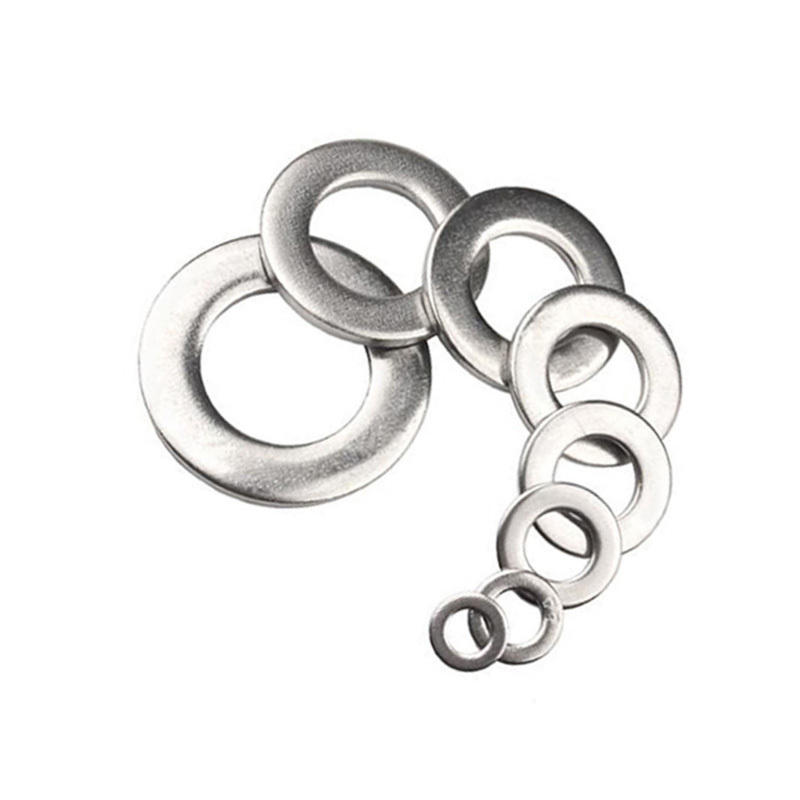
Why You Need Flat Washer DIN125 for Your Industrial Applications
Nov 12,2025
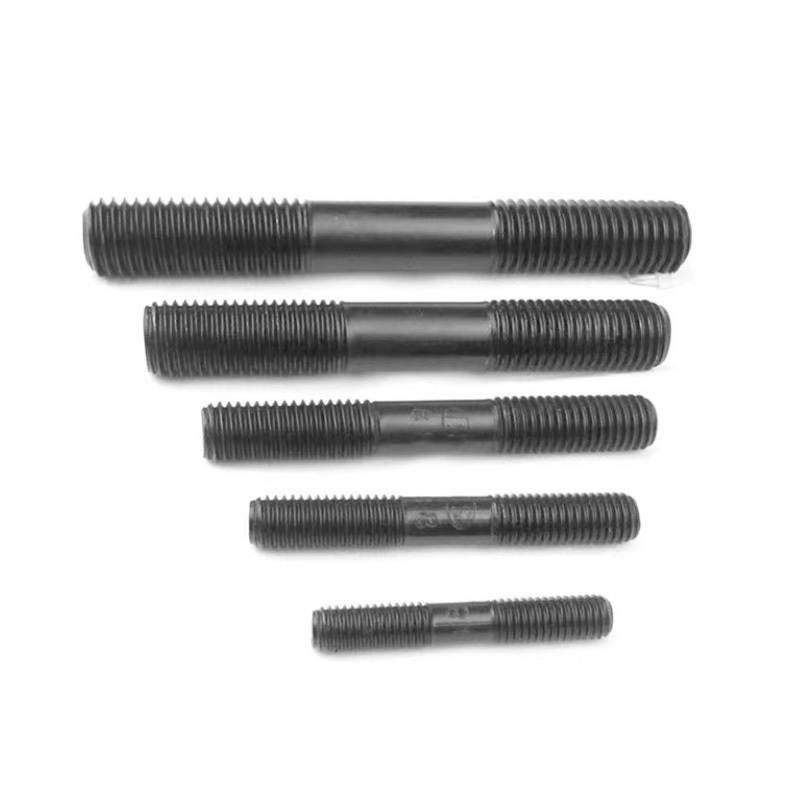
Understanding Stud Bolt DIN 938: A Comprehensive Guide for Industrial Applications
Nov 09,2025

Mainly produces bolts, nuts, washers, full threaded studs, anchor bolts, screws with DIN, BSW, ANIS, MS.


CONTACT US
Yongnian District, Handan City S318 Hebei Province rural credit Cooperative (Yuehua Road) southeast about 170 meters

Mobile website


