
Why You Need Flat Washer DIN125 for Your Industrial Applications
Nov 12,2025
Why You Need Flat Washer DIN125 for Your Industrial Applications
Introduction: Understanding Flat Washers in Industrial Applications
In the realm of industrial equipment and components, the importance of effective fastening cannot be overstated. Among the myriad of fastening solutions available, **Flat Washer DIN125** stands out as a crucial component that enhances the reliability and performance of machinery. This article delves into the reasons why Flat Washers DIN125 are essential for your industrial applications, exploring their benefits, specifications, and real-world applications.
Table of Contents
1. What is Flat Washer DIN125?
2. Benefits of Using Flat Washers DIN125
1. Load Distribution
2. Surface Protection
3. Vibration Damping
3. Applications of Flat Washers DIN125
4. Technical Specifications of Flat Washer DIN125
5. How to Choose the Right Flat Washer DIN125
6. Installation Tips for Flat Washers DIN125
7. Common Mistakes to Avoid When Using Flat Washers
8. Conclusion
9. FAQs
What is Flat Washer DIN125?
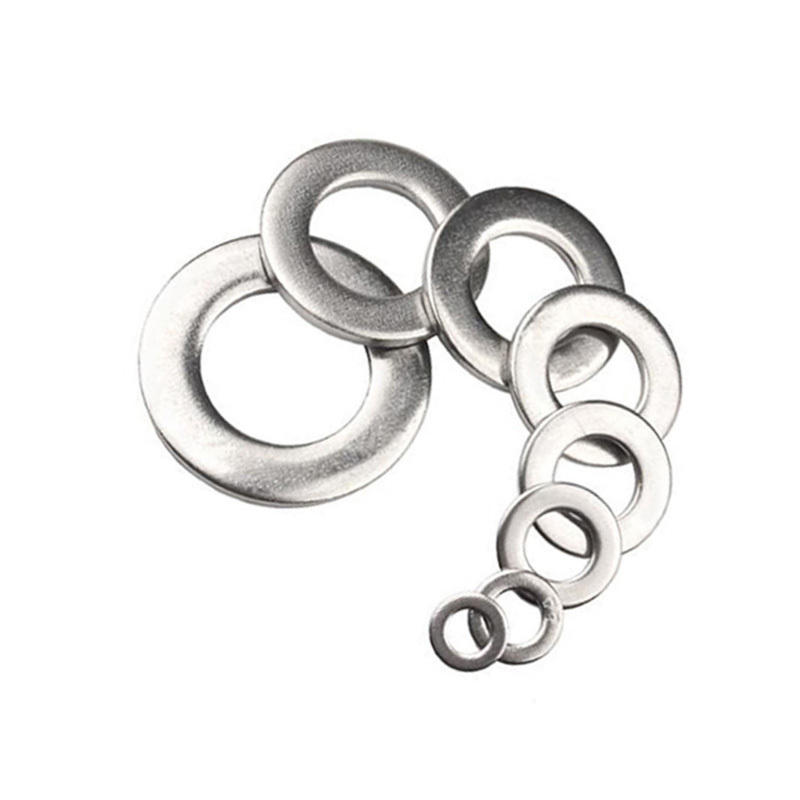
Flat Washer DIN125 is a standard component defined by the German Institute for Standardization (DIN). These washers are predominantly utilized to distribute the load of a threaded fastener, such as a bolt or screw, over a larger surface area. The **DIN125** specification ensures consistent dimensions and quality, making them ideal for a variety of industrial applications. Typically made from materials such as steel, stainless steel, or plastic, these washers can be found in multiple sizes to suit different fastening needs.
Benefits of Using Flat Washers DIN125
When it comes to industrial applications, the benefits of Flat Washers DIN125 are manifold. Here are some of the key advantages:
Load Distribution
One of the primary functions of Flat Washers DIN125 is to help distribute the load exerted by a fastener evenly across a surface. This prevents localized stress concentrations that can lead to material failure. By using Flat Washers, you can prolong the life of both the fasteners and the materials they are securing, ensuring a more robust assembly.
Surface Protection
Flat Washers also play a vital role in protecting the surfaces of materials being fastened. When a fastener is tightened, it can create indentations or damage to the surface. Flat Washers act as a buffer, reducing the risk of scratches and deformation, thus maintaining the integrity of the materials involved.
Vibration Damping
In dynamic environments where machinery operates under vibration, Flat Washers DIN125 can absorb some of this movement, preventing the loosening of fasteners over time. This is particularly important in applications involving heavy machinery, automotive parts, and aerospace components.
Applications of Flat Washers DIN125
The versatility of Flat Washers DIN125 allows them to be used in various applications across multiple industries:
1. **Construction**: Used to secure structural components and ensure stability in buildings and bridges.
2. **Automotive**: Commonly found in engine assemblies and chassis to fasten various parts securely.
3. **Aerospace**: Employed in aircraft manufacturing to ensure safety and reliability in high-stress environments.
4. **Manufacturing**: Used in machinery assembly lines to maintain operational integrity under constant use.
Technical Specifications of Flat Washer DIN125
Understanding the technical specifications of Flat Washers DIN125 is essential for making informed choices. The critical specifications include:
- **Material**: Commonly made from steel, stainless steel, or plastic.
- **Dimensions**: Available in various diameters and thicknesses, typically ranging from 3mm to 100mm in diameter.
- **Coating**: Often coated with zinc or other materials for corrosion resistance.
Selecting the appropriate specifications according to your application is vital for ensuring optimal performance.
How to Choose the Right Flat Washer DIN125
Choosing the right Flat Washer DIN125 involves several factors. Here’s what to consider:
1. **Load Requirements**: Determine the load capacity needed for your application to select the proper size.
2. **Material Compatibility**: Ensure that the washer material is compatible with the components it will be used with to prevent galvanic corrosion.
3. **Environmental Conditions**: Consider the operating conditions such as exposure to moisture, chemicals, or extreme temperatures.
Choosing wisely will enhance the performance of your assembly and prolong its lifespan.
Installation Tips for Flat Washers DIN125
Proper installation of Flat Washers DIN125 is crucial for maximizing their effectiveness. Here are some tips:
- **Clean the Surface**: Ensure that the surfaces of the materials being fastened are clean and free from debris.
- **Use the Right Tools**: Employ appropriate tools to avoid over-tightening, which can damage both the washer and the materials.
- **Inspect Regularly**: Periodically check the integrity of the washers and fasteners to ensure they are performing as expected.
Following these tips will help maintain the reliability of your industrial applications.
Common Mistakes to Avoid When Using Flat Washers
To get the most out of Flat Washers DIN125, it’s essential to avoid common pitfalls:
- **Using Incorrect Size**: Always select the right size for your application; using washers that are too small or too large can lead to failure.
- **Neglecting Material Compatibility**: Failing to consider the compatibility of materials can result in corrosion and reduced lifespan.
- **Ignoring Load Ratings**: Ensure that the load ratings of washers align with the requirements of your specific application.
Being mindful of these mistakes will ensure the effectiveness of your fastening solutions.
Conclusion
Flat Washer DIN125 is a fundamental component in various industrial applications. Their ability to distribute load, protect surfaces, and dampen vibrations makes them indispensable for maintaining the integrity and performance of machinery and structures. By understanding their benefits, applications, and technical specifications, you can make informed decisions that enhance your operational efficiency. Investing in quality Flat Washers DIN125 not only improves the longevity of your equipment but also contributes to overall safety in your industrial operations.
FAQs
**Q1: What materials are Flat Washers DIN125 made from?**
A1: Flat Washers DIN125 are commonly made from materials like steel, stainless steel, and plastic, chosen based on the application's requirements.
**Q2: How do I know which size Flat Washer DIN125 to use?**
A2: The size of the washer should correspond to the diameter of the fastener and the load requirements of your specific application.
**Q3: Can Flat Washers prevent corrosion?**
A3: While Flat Washers themselves may not prevent corrosion, selecting a washer made from corrosion-resistant materials, such as stainless steel, can help reduce corrosion issues in assemblies.
**Q4: What is the difference between Flat Washers DIN125 and other types of washers?**
A4: Flat Washers DIN125 are specifically designed to meet the DIN standard, providing consistent dimensions, unlike some other washers that may not adhere to strict size specifications.
**Q5: Are Flat Washers DIN125 reusable?**
A5: In many cases, Flat Washers DIN125 can be reused if they show no signs of wear or damage; however, it is often recommended to replace them to ensure optimal performance in critical applications.
Flat Washer DIN125
RELEVANT INFORMATION

Understanding the Importance and Applications of Spring Washer DIN127 in Industrial Fastening
Nov 15,2025
Why You Need Flat Washer DIN125 for Your Industrial Applications
Nov 12,2025
Understanding Stud Bolt DIN 938: A Comprehensive Guide for Industrial Applications
Nov 09,2025

Mainly produces bolts, nuts, washers, full threaded studs, anchor bolts, screws with DIN, BSW, ANIS, MS.


CONTACT US
Yongnian District, Handan City S318 Hebei Province rural credit Cooperative (Yuehua Road) southeast about 170 meters

Mobile website


