Understanding Stud Bolt DIN 938: A Comprehensive Guide for Industrial Applications
Nov 09,2025
---
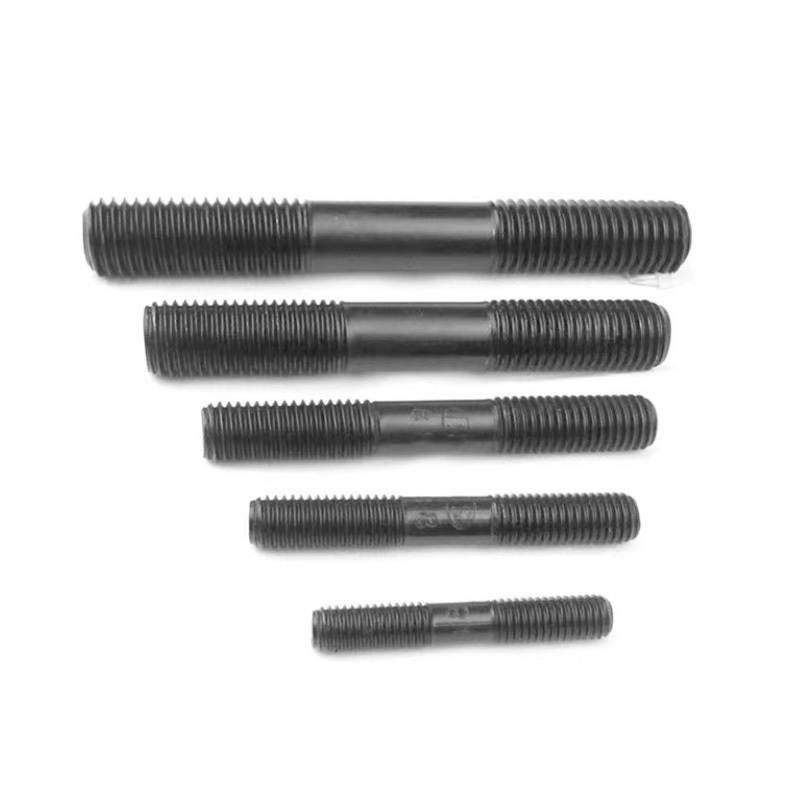
Stud Bolts are essential components in various industrial applications, and the DIN 938 specification outlines specific standards for these fasteners. A Stud Bolt is essentially a long bolt with no head, featuring threads on both ends. It is used in conjunction with nuts to create a secure joint between two or more parts. The DIN 938 standard specifies dimensions, mechanical properties, and to
---
Stud Bolts are essential components in various industrial applications, and the DIN 938 specification outlines specific standards for these fasteners. A Stud Bolt is essentially a long bolt with no head, featuring threads on both ends. It is used in conjunction with nuts to create a secure joint between two or more parts. The DIN 938 standard specifies dimensions, mechanical properties, and tolerances necessary for the effective use of Stud Bolts in a variety of settings.
One of the primary advantages of Stud Bolt DIN 938 is its versatility. These fasteners are commonly used in applications where high tensile strength and resistance to shear forces are required. Industries such as oil and gas, construction, and automotive frequently utilize Stud Bolts for their robust performance in extreme conditions, including high temperatures and corrosive environments.
When selecting Stud Bolt DIN 938 for your projects, it's essential to consider the materials from which they are made. Common materials include carbon steel, stainless steel, and alloy steel, each offering different levels of strength, corrosion resistance, and wear properties. The choice of material often depends on the environmental conditions and the specific mechanical requirements of the application.
In addition to material considerations, understanding the thread type and size is crucial. Stud Bolt DIN 938 typically features metric threads, which conform to international standards. This uniformity ensures compatibility with a wide range of nuts and washers, facilitating easier assembly and disassembly. Proper thread engagement is critical for achieving the desired clamping force, thereby ensuring the integrity of the connection.
Another important factor is the surface finish of the Stud Bolt. Various finishes, such as zinc plating or hot-dip galvanizing, can provide enhanced protection against corrosion. Choosing the appropriate surface treatment enhances the longevity of the fastener and reduces maintenance costs over time.
In conclusion, Stud Bolt DIN 938 plays a vital role in ensuring secure connections across diverse industrial applications. By understanding the specifications, material choices, and appropriate applications of these fasteners, professionals can make informed decisions that enhance the reliability and effectiveness of their projects. Always ensure to consult relevant industry standards and guidelines when selecting and using Stud Bolts to meet the specific demands of your application.
Stud Bolts are essential components in various industrial applications, and the DIN 938 specification outlines specific standards for these fasteners. A Stud Bolt is essentially a long bolt with no head, featuring threads on both ends. It is used in conjunction with nuts to create a secure joint between two or more parts. The DIN 938 standard specifies dimensions, mechanical properties, and tolerances necessary for the effective use of Stud Bolts in a variety of settings.
One of the primary advantages of Stud Bolt DIN 938 is its versatility. These fasteners are commonly used in applications where high tensile strength and resistance to shear forces are required. Industries such as oil and gas, construction, and automotive frequently utilize Stud Bolts for their robust performance in extreme conditions, including high temperatures and corrosive environments.
When selecting Stud Bolt DIN 938 for your projects, it's essential to consider the materials from which they are made. Common materials include carbon steel, stainless steel, and alloy steel, each offering different levels of strength, corrosion resistance, and wear properties. The choice of material often depends on the environmental conditions and the specific mechanical requirements of the application.
In addition to material considerations, understanding the thread type and size is crucial. Stud Bolt DIN 938 typically features metric threads, which conform to international standards. This uniformity ensures compatibility with a wide range of nuts and washers, facilitating easier assembly and disassembly. Proper thread engagement is critical for achieving the desired clamping force, thereby ensuring the integrity of the connection.
Another important factor is the surface finish of the Stud Bolt. Various finishes, such as zinc plating or hot-dip galvanizing, can provide enhanced protection against corrosion. Choosing the appropriate surface treatment enhances the longevity of the fastener and reduces maintenance costs over time.
In conclusion, Stud Bolt DIN 938 plays a vital role in ensuring secure connections across diverse industrial applications. By understanding the specifications, material choices, and appropriate applications of these fasteners, professionals can make informed decisions that enhance the reliability and effectiveness of their projects. Always ensure to consult relevant industry standards and guidelines when selecting and using Stud Bolts to meet the specific demands of your application.
Stud Bolt DIN938
RELEVANT INFORMATION
Understanding the Importance and Applications of Spring Washer DIN127 in Industrial Fastening
In the industrial equipment and components sector, the Spring Washer DIN127 stands out as a crucial fastening element. Its distinctive design serves to maintain tension and prevent loosening of screws and bolts under various conditions. This article explores the characteristics and applications of the Spring Washer DIN127, providing valuable insights for professionals in the field.
The Spring Wash
Nov 15,2025
Why You Need Flat Washer DIN125 for Your Industrial Applications
Introduction: Understanding Flat Washers in Industrial Applications
In the realm of industrial equipment and components, the importance of effective fastening cannot be overstated. Among the myriad of fastening solutions available, **Flat Washer DIN125** stands out as a crucial component that enhances the reliability and performanc
Nov 12,2025
Understanding Stud Bolt DIN 938: A Comprehensive Guide for Industrial Applications
---
Stud Bolts are essential components in various industrial applications, and the DIN 938 specification outlines specific standards for these fasteners. A Stud Bolt is essentially a long bolt with no head, featuring threads on both ends. It is used in conjunction with nuts to create a secure joint between two or more parts. The DIN 938 standard specifies dimensions, mechanical properties, and to
Nov 09,2025