Why Flat Washer DIN125 is Essential for Industrial Applications
Oct 28,2023
Table of Contents:
1. Introduction: Understanding the Significance of Flat Washer DIN125
2. The Role of Flat Washer DIN125 in Industrial Applications
3. Design and Construction of Flat Washer DIN125
4. Materials Used in Flat Washer DIN125
5. Installation and Proper Usage of Flat Washer DIN125
6. Advantages of Using Flat Washer DIN125 in Industrial Applications
7. Frequently Asked Questions (FAQs)
Table of Contents:
1. Introduction: Understanding the Significance of Flat Washer DIN125
2. The Role of Flat Washer DIN125 in Industrial Applications
3. Design and Construction of Flat Washer DIN125
4. Materials Used in Flat Washer DIN125
5. Installation and Proper Usage of Flat Washer DIN125
6. Advantages of Using Flat Washer DIN125 in Industrial Applications
7. Frequently Asked Questions (FAQs) about Flat Washer DIN125
8. Conclusion
## 1. Introduction: Understanding the Significance of Flat Washer DIN125
When it comes to industrial applications, the use of suitable components is crucial to ensure efficiency, reliability, and safety. One such component that plays a vital role in various machinery and structures is the Flat Washer DIN125. This article delves into the essentiality of Flat Washer DIN125 in industrial applications, shedding light on its benefits, design, materials, installation, and more.
## 2. The Role of Flat Washer DIN125 in Industrial Applications
The Flat Washer DIN125 serves as a fundamental component in industrial applications, primarily functioning as a spacer, load distributor, and preload indicator. It plays a critical role in preventing damage to fasteners, surfaces, and structures by evenly distributing the load and reducing the risk of loosening or corrosion.
## 3. Design and Construction of Flat Washer DIN125
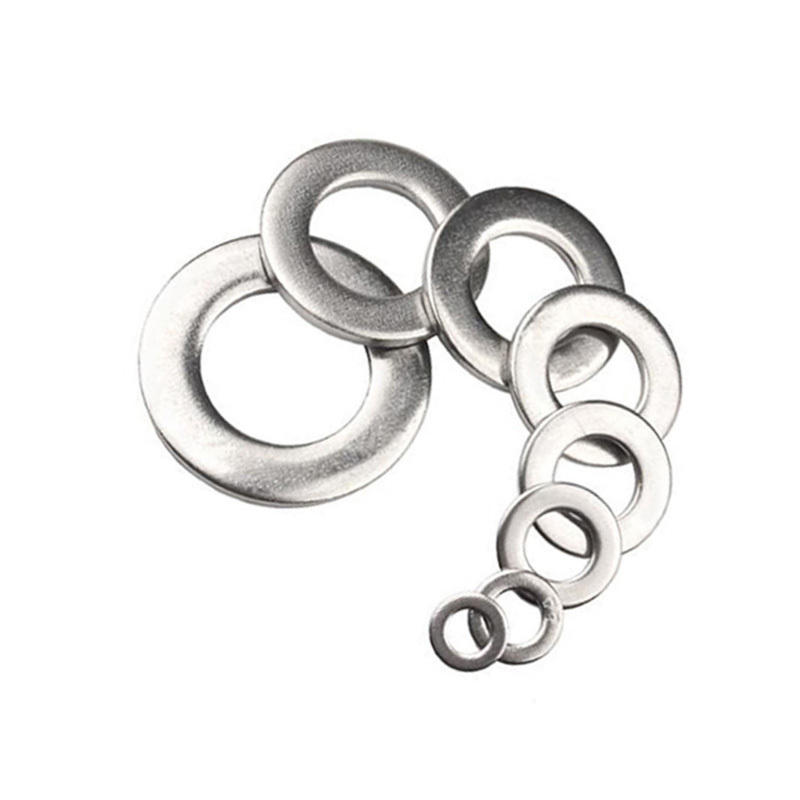
Flat Washer DIN125 is designed with a flat, circular shape and a hole in the center. This simplistic design allows for easy installation and ensures optimal load distribution. It is available in various sizes and thicknesses, catering to different industrial requirements.
## 4. Materials Used in Flat Washer DIN125
Flat Washer DIN125 is manufactured using a range of materials, including stainless steel, carbon steel, and non-metallic materials like nylon. These materials are carefully selected based on factors such as strength, corrosion resistance, and thermal stability, ensuring longevity and reliability in demanding industrial environments.
## 5. Installation and Proper Usage of Flat Washer DIN125
To maximize the effectiveness of Flat Washer DIN125, proper installation and usage are crucial. Care should be taken to position the washer correctly, ensuring it is in direct contact with the surface or fastener. Tightening procedures should also be followed to achieve the desired preload and maintain the integrity of the joint.
## 6. Advantages of Using Flat Washer DIN125 in Industrial Applications
6.1 Enhanced Load Distribution: The Flat Washer DIN125 evenly distributes the load across the surface or fastener, reducing stress concentrations and enhancing structural integrity.
6.2 Protection against Loosening: By providing a secure grip between fasteners and surfaces, Flat Washer DIN125 minimizes the risk of loosening, ensuring long-term stability.
6.3 Prevention of Surface Damage: Flat Washer DIN125 acts as a protective layer between fasteners and surfaces, preventing damage caused by friction, corrosion, or surface imperfections.
6.4 Improved Safety: The use of Flat Washer DIN125 reduces the chances of accidents or failures due to loose connections, enhancing overall workplace safety.
6.5 Cost-Effective Solution: Investing in Flat Washer DIN125 proves to be a cost-effective solution in the long run, as it prevents costly repairs and maintenance by ensuring the longevity of industrial machinery and structures.
## 7. Frequently Asked Questions (FAQs) about Flat Washer DIN125
7.1 Q: What is the purpose of a Flat Washer DIN125?
A: Flat Washer DIN125 evenly distributes the load, prevents loosening, and protects surfaces in industrial applications.
7.2 Q: Can I reuse Flat Washer DIN125?
A: It is generally recommended to use new washers for optimal performance. Reusing washers may compromise their effectiveness.
7.3 Q: Are Flat Washer DIN125s available in different sizes?
A: Yes, Flat Washer DIN125s are available in various sizes and thicknesses to accommodate different industrial requirements.
7.4 Q: Can I use any material for Flat Washer DIN125?
A: Flat Washer DIN125 is available in different materials. The choice of material depends on factors such as strength, corrosion resistance, and thermal stability.
7.5 Q: How do I ensure proper installation of Flat Washer DIN125?
A: Proper installation involves ensuring direct contact with the surface or fastener and following recommended tightening procedures.
## 8. Conclusion
In conclusion, Flat Washer DIN125 plays a pivotal role in industrial applications by enhancing functionality, safety, and performance. Its design, materials, and installation contribute to even load distribution, preventing loosening, protecting surfaces, and improving overall workplace safety. By understanding the significance of Flat Washer DIN125 and incorporating it into industrial setups, businesses can optimize their operations, minimize downtime, and ensure long-term reliability.
1. Introduction: Understanding the Significance of Flat Washer DIN125
2. The Role of Flat Washer DIN125 in Industrial Applications
3. Design and Construction of Flat Washer DIN125
4. Materials Used in Flat Washer DIN125
5. Installation and Proper Usage of Flat Washer DIN125
6. Advantages of Using Flat Washer DIN125 in Industrial Applications
7. Frequently Asked Questions (FAQs) about Flat Washer DIN125
8. Conclusion
## 1. Introduction: Understanding the Significance of Flat Washer DIN125
When it comes to industrial applications, the use of suitable components is crucial to ensure efficiency, reliability, and safety. One such component that plays a vital role in various machinery and structures is the Flat Washer DIN125. This article delves into the essentiality of Flat Washer DIN125 in industrial applications, shedding light on its benefits, design, materials, installation, and more.
## 2. The Role of Flat Washer DIN125 in Industrial Applications
The Flat Washer DIN125 serves as a fundamental component in industrial applications, primarily functioning as a spacer, load distributor, and preload indicator. It plays a critical role in preventing damage to fasteners, surfaces, and structures by evenly distributing the load and reducing the risk of loosening or corrosion.
## 3. Design and Construction of Flat Washer DIN125
Flat Washer DIN125 is designed with a flat, circular shape and a hole in the center. This simplistic design allows for easy installation and ensures optimal load distribution. It is available in various sizes and thicknesses, catering to different industrial requirements.
## 4. Materials Used in Flat Washer DIN125
Flat Washer DIN125 is manufactured using a range of materials, including stainless steel, carbon steel, and non-metallic materials like nylon. These materials are carefully selected based on factors such as strength, corrosion resistance, and thermal stability, ensuring longevity and reliability in demanding industrial environments.
## 5. Installation and Proper Usage of Flat Washer DIN125
To maximize the effectiveness of Flat Washer DIN125, proper installation and usage are crucial. Care should be taken to position the washer correctly, ensuring it is in direct contact with the surface or fastener. Tightening procedures should also be followed to achieve the desired preload and maintain the integrity of the joint.
## 6. Advantages of Using Flat Washer DIN125 in Industrial Applications
6.1 Enhanced Load Distribution: The Flat Washer DIN125 evenly distributes the load across the surface or fastener, reducing stress concentrations and enhancing structural integrity.
6.2 Protection against Loosening: By providing a secure grip between fasteners and surfaces, Flat Washer DIN125 minimizes the risk of loosening, ensuring long-term stability.
6.3 Prevention of Surface Damage: Flat Washer DIN125 acts as a protective layer between fasteners and surfaces, preventing damage caused by friction, corrosion, or surface imperfections.
6.4 Improved Safety: The use of Flat Washer DIN125 reduces the chances of accidents or failures due to loose connections, enhancing overall workplace safety.
6.5 Cost-Effective Solution: Investing in Flat Washer DIN125 proves to be a cost-effective solution in the long run, as it prevents costly repairs and maintenance by ensuring the longevity of industrial machinery and structures.
## 7. Frequently Asked Questions (FAQs) about Flat Washer DIN125
7.1 Q: What is the purpose of a Flat Washer DIN125?
A: Flat Washer DIN125 evenly distributes the load, prevents loosening, and protects surfaces in industrial applications.
7.2 Q: Can I reuse Flat Washer DIN125?
A: It is generally recommended to use new washers for optimal performance. Reusing washers may compromise their effectiveness.
7.3 Q: Are Flat Washer DIN125s available in different sizes?
A: Yes, Flat Washer DIN125s are available in various sizes and thicknesses to accommodate different industrial requirements.
7.4 Q: Can I use any material for Flat Washer DIN125?
A: Flat Washer DIN125 is available in different materials. The choice of material depends on factors such as strength, corrosion resistance, and thermal stability.
7.5 Q: How do I ensure proper installation of Flat Washer DIN125?
A: Proper installation involves ensuring direct contact with the surface or fastener and following recommended tightening procedures.
## 8. Conclusion
In conclusion, Flat Washer DIN125 plays a pivotal role in industrial applications by enhancing functionality, safety, and performance. Its design, materials, and installation contribute to even load distribution, preventing loosening, protecting surfaces, and improving overall workplace safety. By understanding the significance of Flat Washer DIN125 and incorporating it into industrial setups, businesses can optimize their operations, minimize downtime, and ensure long-term reliability.
flat washer din125
RELEVANT INFORMATION
Understanding the Importance and Applications of Spring Washer DIN127 in Industrial Fastening
In the industrial equipment and components sector, the Spring Washer DIN127 stands out as a crucial fastening element. Its distinctive design serves to maintain tension and prevent loosening of screws and bolts under various conditions. This article explores the characteristics and applications of the Spring Washer DIN127, providing valuable insights for professionals in the field.
The Spring Wash
Nov 15,2025
Why You Need Flat Washer DIN125 for Your Industrial Applications
Introduction: Understanding Flat Washers in Industrial Applications
In the realm of industrial equipment and components, the importance of effective fastening cannot be overstated. Among the myriad of fastening solutions available, **Flat Washer DIN125** stands out as a crucial component that enhances the reliability and performanc
Nov 12,2025
Understanding Stud Bolt DIN 938: A Comprehensive Guide for Industrial Applications
---
Stud Bolts are essential components in various industrial applications, and the DIN 938 specification outlines specific standards for these fasteners. A Stud Bolt is essentially a long bolt with no head, featuring threads on both ends. It is used in conjunction with nuts to create a secure joint between two or more parts. The DIN 938 standard specifies dimensions, mechanical properties, and to
Nov 09,2025