
Installation Tips: Properly Applying Spring Washers for Maximum Effectiveness
Oct 24,2023
1. Introduction
2. Understanding Spring Washers
3. Types of Spring Washers
4. Importance of Proper Installation
5. Step-by-Step Guide to Installing Spring Washers
6. Common Mistakes to Avoid
7. FAQs about Spring Washer Installation
8. Conclusion
1. Introduction
Properly applying spring washers is crucial for ensuring the effectiveness and reliability of various installations. Whether you're working on mechanical, electrical, or plumbing projects, understanding the correct installation techniques can make a significant difference in the long-term performance of your assemblies. In this article, we will guide you through the installation tips for spring washers, helping you achieve maximum effectiveness and prevent potential issues down the line.
2. Understanding Spring Washers
Spring washers, also known as disc springs or Belleville washers, are mechanical devices used to provide tension and prevent loosening or loss of preload in bolted connections. They are designed to compensate for the loss of tension caused by thermal expansion, vibrations, and other external factors that can lead to bolted joint failure. Spring washers are made of various materials, including steel, stainless steel, and bronze, and come in different sizes and shapes to accommodate different applications.
3. Types of Spring Washers
There are several types of spring washers commonly used in various installations. These include:
- Belleville Spring Washers: These conical-shaped washers provide high spring force and are suitable for applications with high loads and limited space.
- Wave Spring Washers: These washers have a wavy shape, allowing them to provide a consistent load over a larger deflection range.
- Split Spring Washers: These washers have a split design, allowing them to exert pressure on the assembly and prevent loosening.
- Tooth Lock Washers: These washers feature teeth that bite into the mating surfaces, providing additional resistance against rotation.
- Dome Spring Washers: These washers have a domed shape, providing excellent axial spring force for applications with lower loads.
4. Importance of Proper Installation
Proper installation of spring washers is crucial to ensure their maximum effectiveness. When installed correctly, spring washers can effectively maintain preload, resist loosening, and enhance the overall stability of your assemblies. Failing to install them properly can lead to reduced effectiveness, premature failure, and potential safety hazards. By following the right installation techniques, you can optimize the performance of your spring washers and improve the overall reliability of your installations.
5. Step-by-Step Guide to Installing Spring Washers
Follow these steps to properly install spring washers for maximum effectiveness:
Step 1: Prepare the assembly: Ensure that the mating surfaces are clean, free from debris, and properly lubricated if necessary.
Step 2: Choose the correct washer type and size: Select the appropriate spring washer based on the application requirements, load, and available space.
Step 3: Position the washer: Place the spring washer between the nut and the bolted surface, ensuring that it is centered and aligned with the bolt.
Step 4: Apply proper torque: Use a calibrated torque wrench to tighten the nut to the recommended torque value specified by the manufacturer. This will ensure that the spring washer is compressed to the correct level, providing the desired preload.
Step 5: Inspect for proper installation: After tightening the nut, visually inspect the assembly to ensure that the washer is properly compressed and that the bolted joint is secure.
6. Common Mistakes to Avoid
To ensure the maximum effectiveness of spring washers, avoid the following common mistakes during installation:
Mistake 1: Over-compressing the washer: Excessive compression can cause the washer to lose its elasticity and reduce its effectiveness. Follow the manufacturer's guidelines for the recommended level of compression.
Mistake 2: Under-compressing the washer: Insufficient compression can result in the loss of preload, leading to joint instability and potential failure. Make sure the washer is adequately compressed to provide the desired tension.
Mistake 3: Using the wrong washer type or size: Using an incorrect washer type or size can compromise the effectiveness of the assembly. Always select the appropriate washer based on the application requirements.
Mistake 4: Neglecting proper surface preparation: Failing to clean and prepare the mating surfaces can prevent the washer from achieving optimal contact and load distribution. Ensure that the surfaces are clean, smooth, and free from contaminants.
7. FAQs about Spring Washer Installation
FAQ 1: Can spring washers be reused?
Answer: Spring washers can generally be reused unless they have been subjected to significant deformation or wear. Inspect the washers before reuse and replace them if necessary.
FAQ 2: Are spring washers necessary for all bolted connections?
Answer: Spring washers are not always necessary for every bolted connection. Their use depends on factors such as the application requirements, load conditions, and the desired level of joint stability.
FAQ 3: Can I use multiple spring washers for increased effectiveness?
Answer: Using multiple spring washers can increase the overall effectiveness of the assembly in certain cases. However, it is essential to follow the manufacturer's recommendations and ensure proper installation.
FAQ 4: Do spring washers eliminate the need for using a torque wrench?
Answer: No, using a torque wrench is still necessary when installing spring washers. The torque value ensures proper compression and preload, while the washers help maintain the tension.
FAQ 5: Can spring washers prevent loosening caused by vibrations?
Answer: Yes, spring washers are effective in reducing the loosening effects caused by vibrations. They help maintain the tension in the bolted joint, enhancing overall stability.
8. Conclusion
Properly installing spring washers is vital for achieving maximum effectiveness in various installations. By understanding the different types of spring washers, following the correct installation techniques, and avoiding common mistakes, you can ensure the long-term reliability and stability of your assemblies. Remember to choose the appropriate washer type and size, compress it to the recommended level, and inspect the installation for proper functionality. With these installation tips in mind, you can confidently apply spring washers and optimize the performance of your bolted connections.
spring washer din127
RELEVANT INFORMATION

Understanding the Importance and Applications of Spring Washer DIN127 in Industrial Fastening
Nov 15,2025
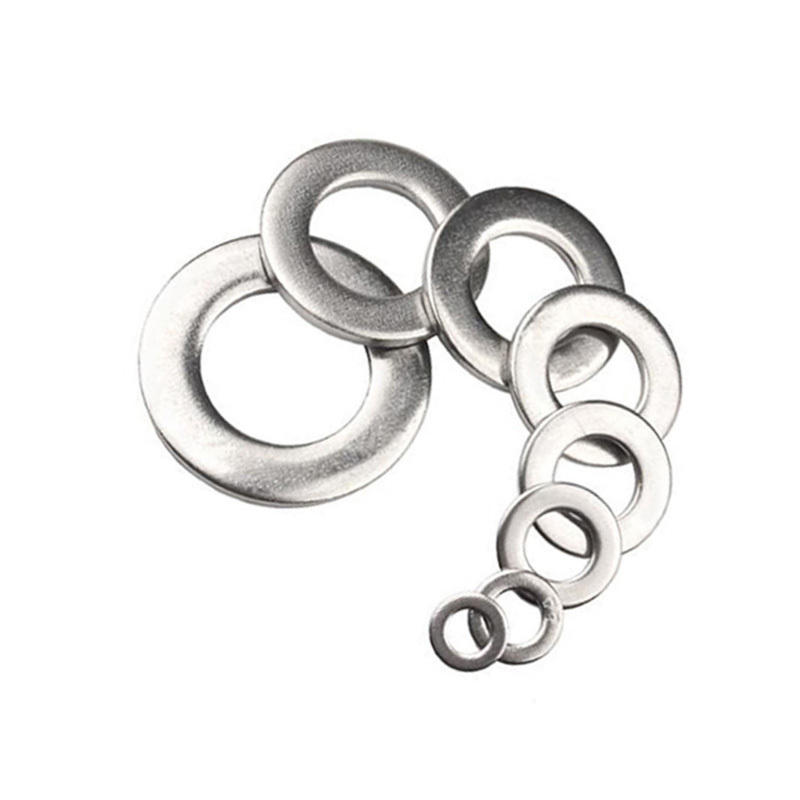
Why You Need Flat Washer DIN125 for Your Industrial Applications
Nov 12,2025
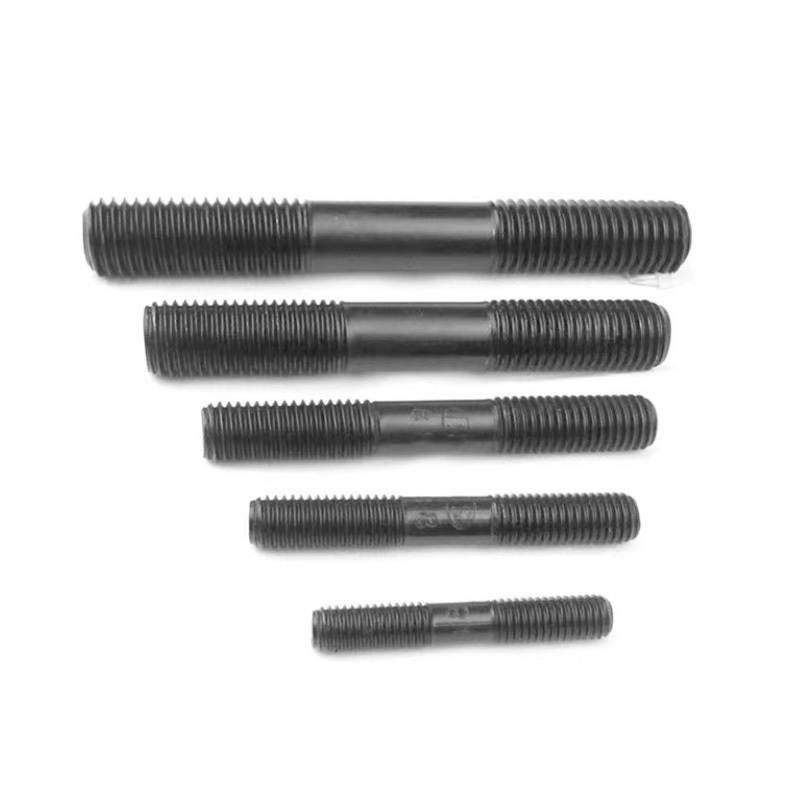
Understanding Stud Bolt DIN 938: A Comprehensive Guide for Industrial Applications
Nov 09,2025

Mainly produces bolts, nuts, washers, full threaded studs, anchor bolts, screws with DIN, BSW, ANIS, MS.


CONTACT US
Yongnian District, Handan City S318 Hebei Province rural credit Cooperative (Yuehua Road) southeast about 170 meters

Mobile website


