Understanding Shaft Rings: Essential Components in Industrial Fastening and Connecting Solutions
Sep 28,2025
Shaft rings are critical components in the realm of industrial equipment and fastening solutions. They play an essential role in providing stability and securing various parts within machinery. Understanding the function, types, and advantages of shaft rings can significantly enhance operational efficiency and reliability in industrial applications.
At their core, shaft rings are circular componen
Shaft rings are critical components in the realm of industrial equipment and fastening solutions. They play an essential role in providing stability and securing various parts within machinery. Understanding the function, types, and advantages of shaft rings can significantly enhance operational efficiency and reliability in industrial applications.
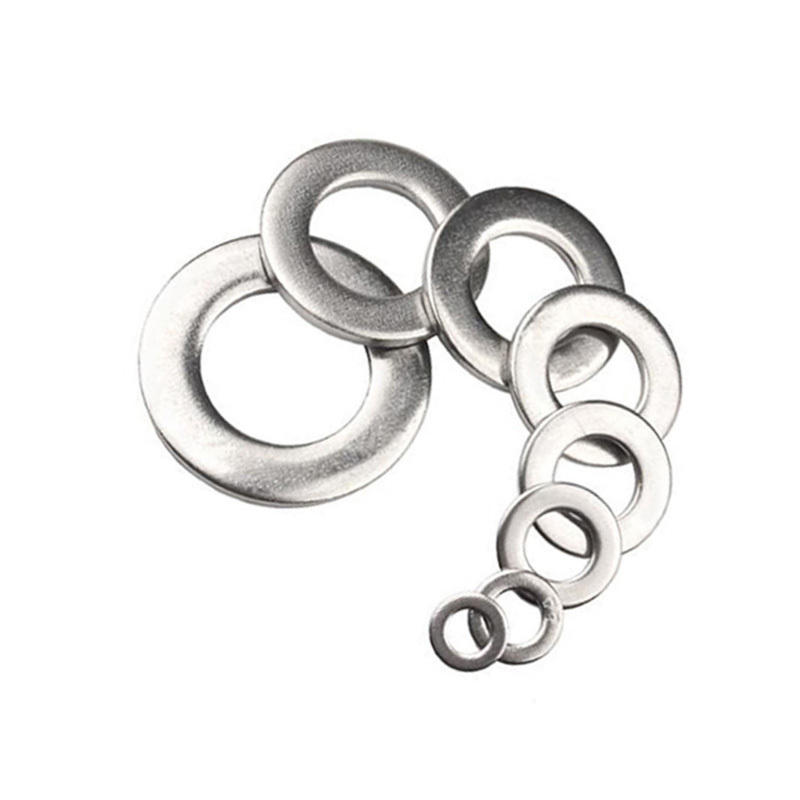
At their core, shaft rings are circular components designed to fit around a shaft, providing a secure interface between different elements of machinery. They may be used to retain components, prevent axial movement, or serve as a foundation for other attaching parts. The versatility of shaft rings allows them to be utilized in numerous applications, from automotive to heavy machinery, where they contribute to the overall performance and longevity of equipment.
There are various types of shaft rings, each designed to meet specific operational requirements. For instance, retaining rings are commonly used to hold assemblies on shafts and in housings, while snap rings offer a quick and effective means of securing components. Depending on the design of the machinery, shaft rings can be found in both internal and external configurations. This diversity means that engineers and designers can select the optimal type depending on the application’s unique demands.
One of the significant advantages of using shaft rings in industrial settings is their ability to prevent wear and tear on shafts and connected components. By providing a stable and secure fit, they help mitigate vibrations and movement that can lead to premature failure of machinery. This is particularly crucial in high-speed applications where stability is paramount.
Additionally, the ease of installation and removal of shaft rings makes them a preferred choice in maintenance and assembly processes. This simplicity can significantly reduce downtime and enhance productivity, as operators can quickly replace or adjust components without extensive disassembly of machinery.
Moreover, the material composition of shaft rings can vary widely, allowing for customization based on environmental factors such as temperature, corrosion, and load-bearing requirements. Industrial professionals must carefully select the appropriate materials to ensure optimal performance and durability.
In summary, shaft rings are indispensable components within the industrial fastening and connecting landscape. Their varied types, ease of use, and ability to enhance machinery performance make them a critical consideration for any industrial operation. Understanding their role not only aids in selecting the right components but also leads to better maintenance practices and improved operational efficiency. As industries continue to evolve, the importance of integrating quality shaft rings into design and maintenance strategies will only increase, further solidifying their place as essential elements in industrial equipment and connectivity solutions.
At their core, shaft rings are circular components designed to fit around a shaft, providing a secure interface between different elements of machinery. They may be used to retain components, prevent axial movement, or serve as a foundation for other attaching parts. The versatility of shaft rings allows them to be utilized in numerous applications, from automotive to heavy machinery, where they contribute to the overall performance and longevity of equipment.
There are various types of shaft rings, each designed to meet specific operational requirements. For instance, retaining rings are commonly used to hold assemblies on shafts and in housings, while snap rings offer a quick and effective means of securing components. Depending on the design of the machinery, shaft rings can be found in both internal and external configurations. This diversity means that engineers and designers can select the optimal type depending on the application’s unique demands.
One of the significant advantages of using shaft rings in industrial settings is their ability to prevent wear and tear on shafts and connected components. By providing a stable and secure fit, they help mitigate vibrations and movement that can lead to premature failure of machinery. This is particularly crucial in high-speed applications where stability is paramount.
Additionally, the ease of installation and removal of shaft rings makes them a preferred choice in maintenance and assembly processes. This simplicity can significantly reduce downtime and enhance productivity, as operators can quickly replace or adjust components without extensive disassembly of machinery.
Moreover, the material composition of shaft rings can vary widely, allowing for customization based on environmental factors such as temperature, corrosion, and load-bearing requirements. Industrial professionals must carefully select the appropriate materials to ensure optimal performance and durability.
In summary, shaft rings are indispensable components within the industrial fastening and connecting landscape. Their varied types, ease of use, and ability to enhance machinery performance make them a critical consideration for any industrial operation. Understanding their role not only aids in selecting the right components but also leads to better maintenance practices and improved operational efficiency. As industries continue to evolve, the importance of integrating quality shaft rings into design and maintenance strategies will only increase, further solidifying their place as essential elements in industrial equipment and connectivity solutions.
Shaft ring
RELEVANT INFORMATION
Understanding the Importance and Applications of Spring Washer DIN127 in Industrial Fastening
In the industrial equipment and components sector, the Spring Washer DIN127 stands out as a crucial fastening element. Its distinctive design serves to maintain tension and prevent loosening of screws and bolts under various conditions. This article explores the characteristics and applications of the Spring Washer DIN127, providing valuable insights for professionals in the field.
The Spring Wash
Nov 15,2025
Why You Need Flat Washer DIN125 for Your Industrial Applications
Introduction: Understanding Flat Washers in Industrial Applications
In the realm of industrial equipment and components, the importance of effective fastening cannot be overstated. Among the myriad of fastening solutions available, **Flat Washer DIN125** stands out as a crucial component that enhances the reliability and performanc
Nov 12,2025
Understanding Stud Bolt DIN 938: A Comprehensive Guide for Industrial Applications
---
Stud Bolts are essential components in various industrial applications, and the DIN 938 specification outlines specific standards for these fasteners. A Stud Bolt is essentially a long bolt with no head, featuring threads on both ends. It is used in conjunction with nuts to create a secure joint between two or more parts. The DIN 938 standard specifies dimensions, mechanical properties, and to
Nov 09,2025