
Understanding the Benefits of Using Floor Expansion Bolts: A Comprehensive Guide for Industrial Applications
Oct 01,2025
Understanding the Benefits of Using Floor Expansion Bolts
Introduction to Floor Expansion Bolts
Floor expansion bolts are crucial components in various industrial applications, providing robust anchoring solutions for heavy machinery, equipment, and structural elements. These specialized fasteners are designed to secure objects to concrete or masonry surfaces, ensuring stability and safety in environments where traditional screws and anchors might fail. This article delves deep into the benefits of using floor expansion bolts, offering insights into their functionality, installation processes, and applications across different industries.
What Are Floor Expansion Bolts?
Floor expansion bolts, also known as expansion anchors or expansion screws, function by expanding within a pre-drilled hole in concrete or masonry when tightened. This expansion creates a secure grip, allowing them to support significant weight and resist pulling forces. Typically made from materials like steel or stainless steel, floor expansion bolts are designed to withstand harsh environmental conditions, making them ideal for both indoor and outdoor use.
Types of Floor Expansion Bolts
Understanding the different types of floor expansion bolts available is essential for selecting the right fastener for specific applications. Here are the most common types:
1. Sleeve Anchors
Sleeve anchors feature a sleeve that expands against the walls of the hole when the bolt is tightened, making them suitable for various applications. They are particularly effective in brick and concrete materials.
2. Wedge Anchors
Wedge anchors consist of a bolt with a wedge-shaped end, which expands when the nut is tightened. They are typically used in heavy-duty applications due to their high load-bearing capabilities.
3. Drop-In Anchors
Drop-in anchors are ideal for applications requiring a flush finish. They require a setting tool for installation and provide a secure hold in concrete.
4. Concrete Screws
Concrete screws are designed for quick installation with minimal tooling. They cut their threads into the concrete, making them a cost-effective option for lighter applications.
Benefits of Using Floor Expansion Bolts
Floor expansion bolts offer numerous advantages, making them a preferred choice for securing equipment and structures in industrial settings. Here are some key benefits:
1. Enhanced Load-Bearing Capacity
One of the primary benefits of floor expansion bolts is their ability to bear heavy loads. Their design allows for exceptional stability and resistance to shear forces, making them ideal for anchoring heavy machinery and structures.
2. Versatility in Applications
Floor expansion bolts can be used in a wide range of applications, from securing machinery in factories to anchoring shelves in retail spaces. Their versatility makes them suitable for various industries, including construction, manufacturing, and logistics.
3. Resistant to Environmental Factors
Many floor expansion bolts are constructed from corrosion-resistant materials, such as stainless steel. This resistance to environmental factors ensures longevity and reliability, particularly in outdoor or harsh conditions where exposure to moisture and chemicals is common.
4. Quick and Easy Installation
Installing floor expansion bolts is a straightforward process. With the right tools, they can be installed quickly and efficiently, reducing downtime and labor costs in industrial settings. Proper installation techniques can further enhance their effectiveness.
5. Improved Safety Standards
By providing a secure anchoring solution, floor expansion bolts help improve safety standards in workplaces. Their reliability reduces the risk of accidents related to equipment instability or failure, promoting a safer working environment.
Installation Process for Floor Expansion Bolts
Proper installation is critical for maximizing the benefits of floor expansion bolts. Here’s a step-by-step guide to ensure a secure and effective installation:
Step 1: Select the Right Bolt
Choosing the correct type and size of floor expansion bolt is essential. Consider factors such as the load requirements, material type, and environmental conditions.
Step 2: Prepare the Surface
Ensure the surface where the expansion bolt will be installed is clean and free from debris. This preparation helps achieve a secure fit.
Step 3: Drill the Hole
Using a hammer drill, create a hole in the concrete or masonry surface. The hole's diameter and depth should match the specifications of the selected expansion bolt.
Step 4: Insert the Bolt
Insert the floor expansion bolt into the drilled hole, ensuring it is properly aligned.
Step 5: Tighten the Bolt
Using a wrench or socket, tighten the bolt until it expands against the sides of the hole. Be cautious not to overtighten, as this may damage the bolt or surrounding material.
Common Applications of Floor Expansion Bolts
Floor expansion bolts are widely used across various industries. Here are some common applications:
1. Industrial Machinery
In manufacturing facilities, floor expansion bolts are used to secure heavy machinery and equipment to prevent movement during operation.
2. Construction Projects
In construction, these bolts are employed to anchor structural elements, such as beams, columns, and walls, ensuring stability and safety.
3. Retail Environments
Retail stores utilize floor expansion bolts to secure shelving units and display fixtures, enhancing both safety and organization.
4. Parking Structures
In parking garages, floor expansion bolts anchor barriers and signage, contributing to overall safety and traffic management.
5. Outdoor Applications
For outdoor structures, such as picnic tables, benches, and playground equipment, floor expansion bolts provide the necessary stability against wind and movement.
Maintenance and Inspection of Floor Expansion Bolts
To ensure the longevity and effectiveness of floor expansion bolts, regular maintenance and inspection are vital. Here’s how to maintain them:
1. Routine Visual Inspections
Perform routine visual checks of the installed expansion bolts to identify any signs of wear, corrosion, or loosening.
2. Tightening Checks
Periodically check the tightness of the bolts. Loose bolts should be retightened to maintain security.
3. Cleaning
Keep the area around the bolts clean and free from debris or corrosive substances that could affect the integrity of the fastener.
4. Replace Damaged Bolts
If any bolts show signs of damage or wear, they should be replaced immediately to prevent potential failures.
Frequently Asked Questions (FAQs)
1. What is the load capacity of floor expansion bolts?
The load capacity varies depending on the type and size of the floor expansion bolt, as well as the material in which they are installed. Always refer to the manufacturer's specifications for accurate load ratings.
2. Can floor expansion bolts be removed and reused?
While it is possible to remove and reuse floor expansion bolts, it is recommended to replace them to ensure secure anchoring upon reinstallation.
3. Are floor expansion bolts suitable for outdoor use?
Yes, many floor expansion bolts are designed with corrosion-resistant materials, making them suitable for outdoor applications.
4. How do I know if I have installed the expansion bolt correctly?
A properly installed expansion bolt should feel secure and not wobble. Regular inspections can help verify their integrity.
5. What tools are required for installing floor expansion bolts?
The essential tools include a hammer drill for creating holes, a wrench or socket for tightening, and possibly a setting tool for specific types of anchors.
Conclusion
In summary, floor expansion bolts are indispensable in industrial settings, offering significant advantages such as enhanced load-bearing capacity, versatility, and improved safety standards. Their straightforward installation process and effectiveness make them a go-to solution for anchoring heavy equipment and structures. By understanding the benefits, proper installation techniques, and maintenance practices, we can ensure that these fasteners deliver reliable performance over time. Investing in high-quality floor expansion bolts is essential for any industrial application requiring stability and safety, contributing to overall operational efficiency.
Floor expansion bolt
RELEVANT INFORMATION

Understanding the Importance and Applications of Spring Washer DIN127 in Industrial Fastening
Nov 15,2025
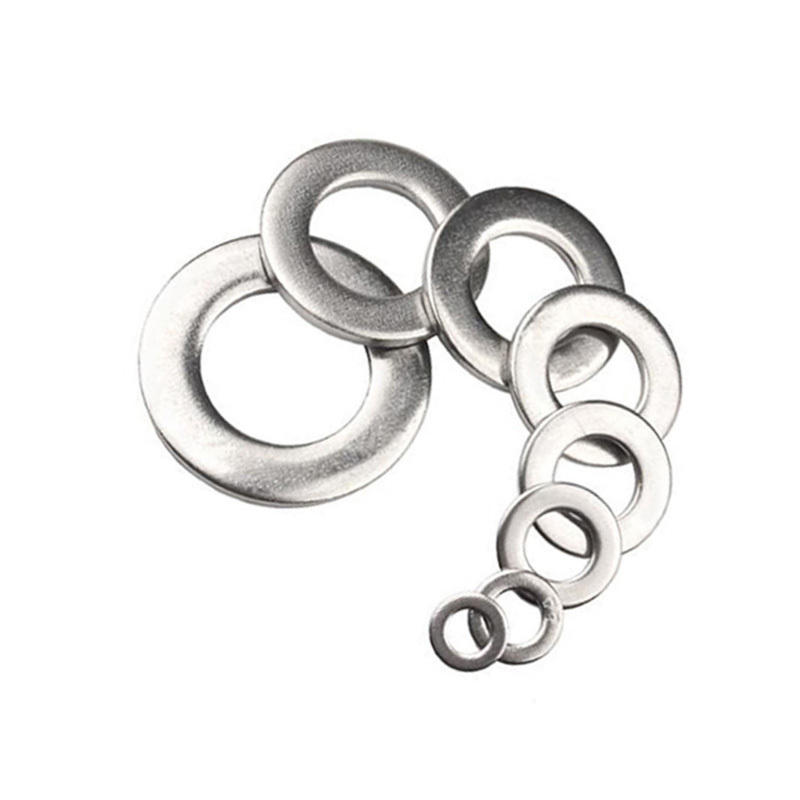
Why You Need Flat Washer DIN125 for Your Industrial Applications
Nov 12,2025
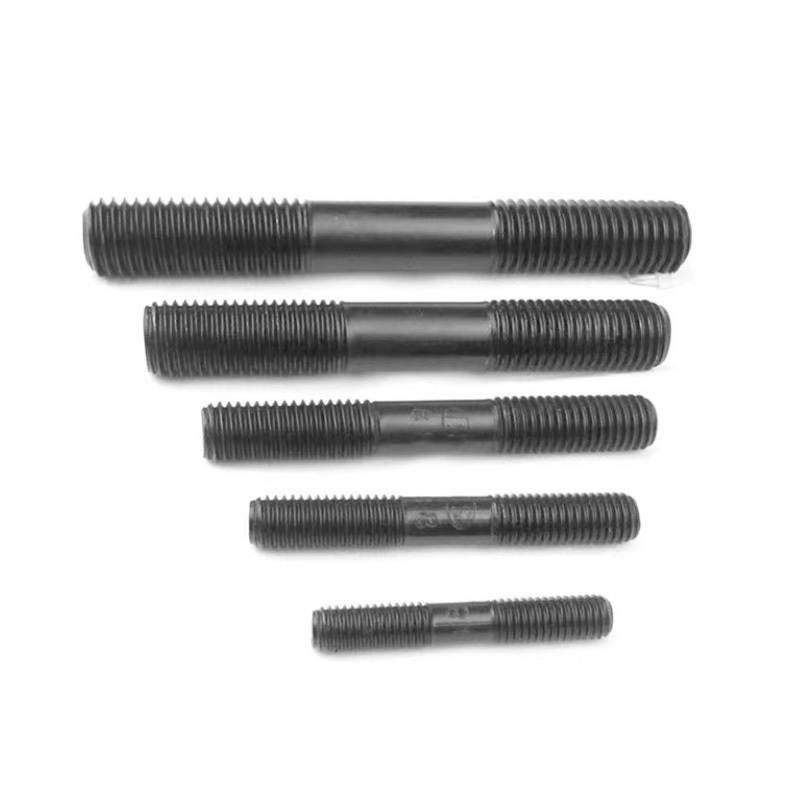
Understanding Stud Bolt DIN 938: A Comprehensive Guide for Industrial Applications
Nov 09,2025

Mainly produces bolts, nuts, washers, full threaded studs, anchor bolts, screws with DIN, BSW, ANIS, MS.


CONTACT US
Yongnian District, Handan City S318 Hebei Province rural credit Cooperative (Yuehua Road) southeast about 170 meters

Mobile website


