
Welding Nuts: The Backbone of Reliable Industrial Assemblies
Sep 25,2025
Welding Nuts: The Backbone of Reliable Industrial Assemblies
In the realm of industrial manufacturing, ensuring the integrity and reliability of assemblies is paramount. Among the various fasteners and connectors that play a critical role in this regard, **welding nuts** stand out as integral components. These specialized fasteners provide robust connections that enhance the durability and performance of industrial products. In this article, we delve deep into the world of welding nuts, exploring their types, benefits, applications, and the innovative manufacturing processes that make them indispensable in the industry.
Table of Contents
- What Are Welding Nuts?
- Types of Welding Nuts
- Benefits of Welding Nuts in Industrial Applications
- Applications of Welding Nuts in Various Industries
- Manufacturing Processes for Welding Nuts
- Installation and Usage of Welding Nuts
- Maintenance and Care for Welding Nuts
- Conclusion
- Frequently Asked Questions
What Are Welding Nuts?
Welding nuts are specialized fasteners designed to be welded onto different materials, typically metal, to provide a threaded connection point. They are often used in applications where a secure and permanent attachment is required. Unlike standard nuts, which rely on a bolt for fastening, welding nuts create a robust bond by being fused directly to the base material, offering enhanced strength and stability. This unique feature makes them ideal for applications that endure high levels of stress and vibration.
Key Characteristics of Welding Nuts
Welding nuts are characterized by several distinctive features that enhance their performance:
- High Strength: Welding nuts are designed to withstand significant loads and resist shear forces, making them suitable for high-stress environments.
- Low Profile: Many welding nuts have a low-profile design, allowing for easy integration into tight spaces without compromising strength.
- Versatility: Available in various shapes and sizes, welding nuts can be used in multiple applications across different industries.
Types of Welding Nuts
Understanding the different types of welding nuts is crucial for selecting the right fastener for your specific application. Below are some common types:
1. Flanged Welding Nuts
Flanged welding nuts feature a wide flange that provides a larger surface area for welding. This design enhances the connection's stability and load-bearing capacity, making them ideal for heavy-duty applications.
2. Hex Welding Nuts
Hex welding nuts resemble standard hex nuts but are designed for welding. Their shape allows for easy gripping with tools, ensuring secure installation in various assembly processes.
3. T-Nuts
T-nuts are designed for insertion into pre-drilled holes, providing a strong anchoring point. They are particularly useful in wooden applications and can also be welded for additional strength.
4. Captive Welding Nuts
Captive welding nuts are designed to remain fixed in position during assembly, preventing them from falling out or becoming loose. This feature simplifies the assembly process and enhances reliability.
Benefits of Welding Nuts in Industrial Applications
Welding nuts offer numerous advantages that contribute to their popularity in various industrial applications:
1. Enhanced Durability
Welding nuts provide a permanent connection, which reduces the risk of loosening over time. This durability is essential for applications subjected to constant movement or vibration.
2. Increased Load Capacity
The welding process creates a strong bond between the nut and the base material, allowing for higher load capacities compared to traditional bolted connections. This is particularly important in heavy machinery and structural applications.
3. Simplified Assembly
Welding nuts eliminate the need for additional fastening components, streamlining the assembly process. This can lead to reduced labor costs and shorter assembly times.
4. Corrosion Resistance
Many welding nuts are made from corrosion-resistant materials, providing longevity in harsh environments. This is particularly advantageous in industries like construction and marine applications.
Applications of Welding Nuts in Various Industries
Welding nuts find applications across a plethora of industries due to their reliability and strength:
1. Automotive Industry
In automotive manufacturing, welding nuts are commonly used in the assembly of frames, bodies, and other structural components. Their ability to withstand high stress makes them ideal for use in vehicles.
2. Aerospace Industry
Aerospace components require fasteners that offer exceptional strength-to-weight ratios. Welding nuts are employed in aircraft assemblies where weight savings and strength are critical considerations.
3. Construction Industry
In construction, welding nuts are used in steel frameworks, providing secure connections that are essential for structural integrity. They are frequently utilized in the assembly of steel beams and columns.
4. Industrial Machinery
Industrial machinery often operates under high load and stress conditions. Welding nuts are used to secure critical components, ensuring reliable performance in demanding environments.
Manufacturing Processes for Welding Nuts
The production of welding nuts involves several precise manufacturing processes designed to maintain quality and performance:
1. Material Selection
The first step in manufacturing welding nuts is selecting suitable materials. Common materials include stainless steel, carbon steel, and alloyed metals, chosen for their strength and corrosion resistance.
2. Forming
Welding nuts are typically formed through techniques such as stamping, forging, or CNC machining. These methods ensure that the nuts are produced with precise dimensions and structural integrity.
3. Welding Preparation
Before welding, the nuts are often treated to enhance their surface properties. This may include cleaning and preparing the surfaces to ensure a strong bond during the welding process.
4. Welding Process
The actual welding process involves fusing the nut to the base material using various techniques such as MIG, TIG, or resistance welding, depending on the application requirements.
5. Quality Control
After manufacturing, welding nuts undergo rigorous quality control processes to ensure they meet industry standards. This includes testing for strength, dimensions, and corrosion resistance.
Installation and Usage of Welding Nuts
Installing welding nuts requires careful consideration to ensure a secure and reliable connection:
1. Preparation
Before installation, ensure that the surfaces to be welded are clean and free from contaminants. Proper preparation is crucial for achieving a strong weld.
2. Positioning
Position the welding nut accurately on the base material. Utilizing fixtures can ensure proper alignment and prevent movement during the welding process.
3. Welding
Employ the appropriate welding technique based on the materials involved. Monitor the welding parameters, such as voltage and current, to ensure optimal results.
4. Inspection
After installation, inspect the welds for any defects. A thorough inspection ensures the integrity of the connection and identifies any potential issues before they impact performance.
Maintenance and Care for Welding Nuts
Maintaining welding nuts is essential for ensuring long-term performance and reliability:
1. Regular Inspections
Conduct regular inspections to check for signs of wear, corrosion, or loosening. Early detection of issues can prevent more significant problems down the line.
2. Cleaning
Keep welding nuts clean and free from debris. Accumulated grime can lead to corrosion and compromise the integrity of the connection.
3. Environmental Considerations
Consider the environmental conditions in which the welding nuts operate. In harsh environments, additional protective coatings may be necessary to enhance corrosion resistance.
Conclusion
Welding nuts are indeed the backbone of reliable industrial assemblies, offering unmatched strength, durability, and versatility across various applications. Understanding the types, benefits, and proper usage of welding nuts equips manufacturers and engineers with the knowledge necessary to enhance assembly integrity. As industries continue to evolve, the importance of dependable fasteners like welding nuts will remain paramount in achieving not only operational efficiency but also safety and longevity in products. Investing in quality welding nuts can lead to significant improvements in assembly performance and reliability, ultimately contributing to the success of industrial operations.
Frequently Asked Questions
1. What materials are welding nuts made from?
Welding nuts are commonly made from materials like stainless steel, carbon steel, and various alloys, chosen for their strength and corrosion resistance.
2. How are welding nuts installed?
Welding nuts are installed by positioning them on the base material and using welding techniques such as MIG, TIG, or resistance welding to create a strong bond.
3. What are the advantages of using welding nuts over traditional nuts?
Welding nuts provide enhanced durability, increased load capacity, simplified assembly, and better corrosion resistance compared to traditional nuts.
4. In which industries are welding nuts commonly used?
Welding nuts are widely used in the automotive, aerospace, construction, and industrial machinery sectors due to their reliable performance in high-stress applications.
5. How can I maintain welding nuts for optimal performance?
Regular inspections, cleaning, and considering environmental factors can help maintain welding nuts, ensuring their longevity and performance in various applications.
Welding nut
RELEVANT INFORMATION

Understanding the Importance and Applications of Spring Washer DIN127 in Industrial Fastening
Nov 15,2025
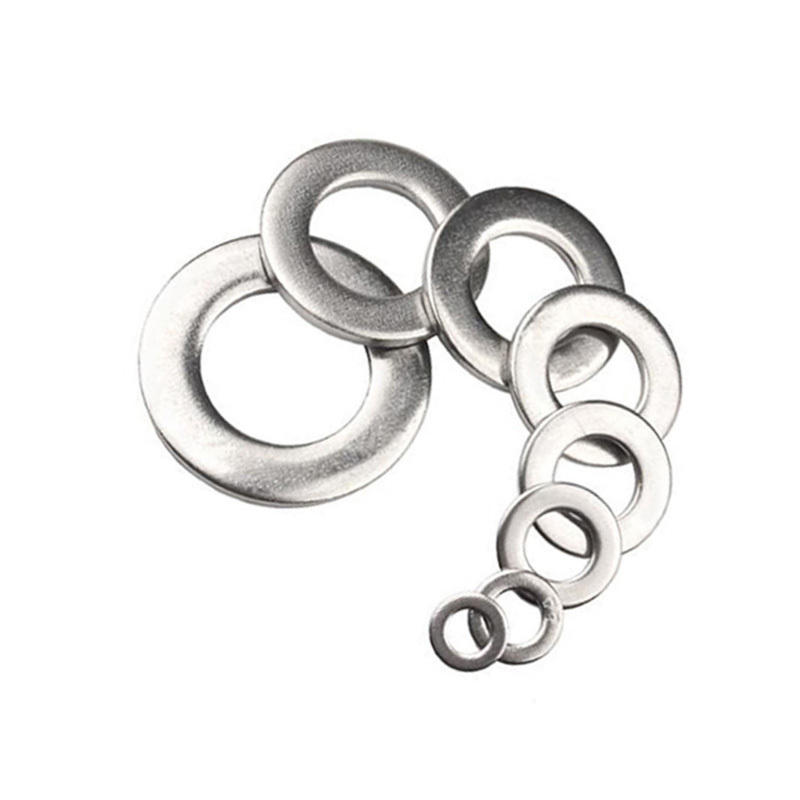
Why You Need Flat Washer DIN125 for Your Industrial Applications
Nov 12,2025
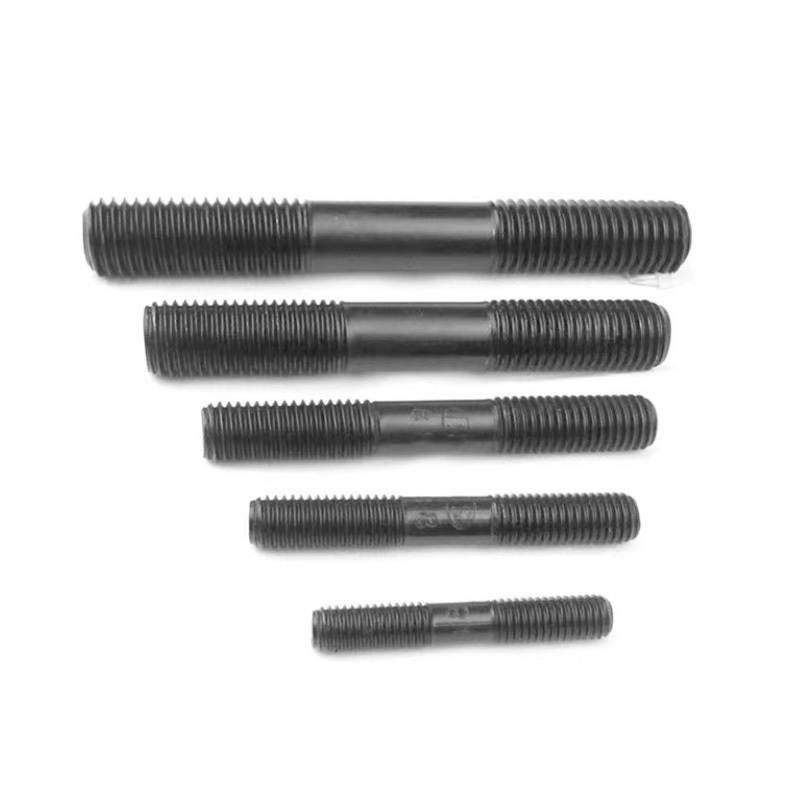
Understanding Stud Bolt DIN 938: A Comprehensive Guide for Industrial Applications
Nov 09,2025

Mainly produces bolts, nuts, washers, full threaded studs, anchor bolts, screws with DIN, BSW, ANIS, MS.


CONTACT US
Yongnian District, Handan City S318 Hebei Province rural credit Cooperative (Yuehua Road) southeast about 170 meters

Mobile website


