Understanding Threaded Rod DIN975: Essential Insights for Industrial Applications
Apr 14,2025
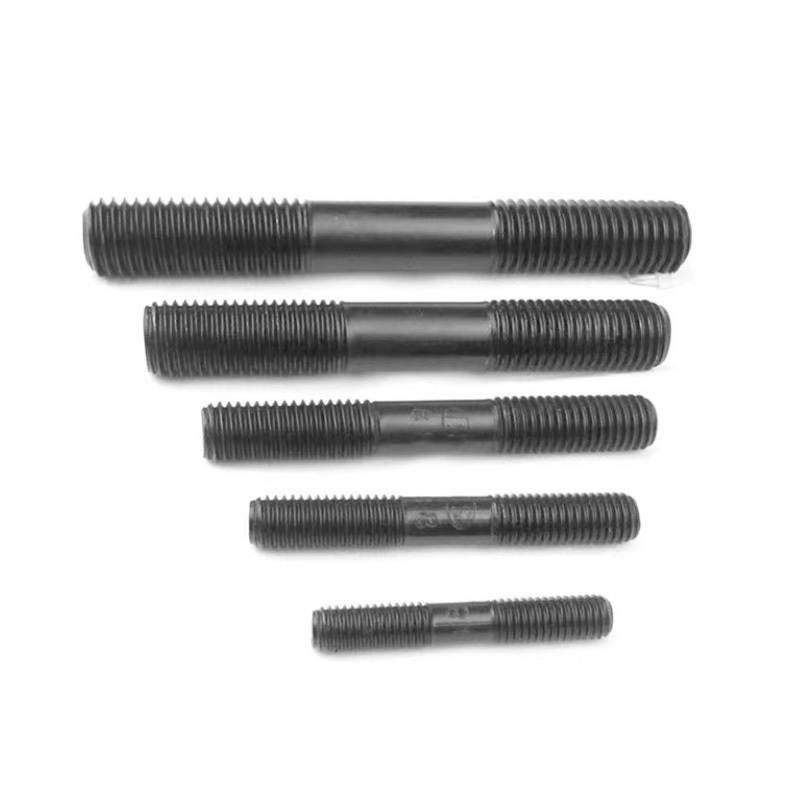
Threaded Rod DIN975 is a versatile fastening solution widely used in various industrial applications, particularly in the realm of equipment and components. These threaded rods are characterized by their continuous threads along their entire length, making them an excellent choice for numerous fastening tasks. They are manufactured in accordance with the DIN 975 standard, which specifies the dimen
Threaded Rod DIN975 is a versatile fastening solution widely used in various industrial applications, particularly in the realm of equipment and components. These threaded rods are characterized by their continuous threads along their entire length, making them an excellent choice for numerous fastening tasks. They are manufactured in accordance with the DIN 975 standard, which specifies the dimensions, materials, and mechanical properties required for optimal performance.
One of the primary advantages of using Threaded Rod DIN975 is its adaptability. These rods can be cut to length as needed, allowing for customization to fit specific project requirements. This flexibility is particularly beneficial in construction and manufacturing environments, where varying lengths may be required for different applications. Moreover, their compatibility with a wide range of nuts and washers enhances their utility, providing a reliable fastening solution in diverse settings.
Threaded rods are typically made from materials like steel, stainless steel, and other alloys. The choice of material significantly impacts the rod's strength, corrosion resistance, and overall durability. For instance, stainless steel threaded rods offer excellent resistance to rust and corrosion, making them ideal for outdoor or high-moisture environments. On the other hand, carbon steel rods are often utilized in applications where strength and load-bearing capacity are prioritized.
In terms of applications, Threaded Rod DIN975 is frequently found in construction, manufacturing, and automotive industries. They are commonly used in structural support systems, where their high tensile strength contributes to the overall stability of a structure. Additionally, these rods play a crucial role in the assembly of machinery and equipment, facilitating secure connections that are essential for safe and efficient operations.
Another noteworthy feature of Threaded Rod DIN975 is its ease of installation. The rods can be installed using common tools, and their threaded design allows for quick and straightforward assembly. This accessibility reduces labor time and costs, further enhancing their appeal for industrial use.
When selecting Threaded Rod DIN975 for a project, it's essential to consider the specific requirements, including load-bearing capacity, material properties, and environmental conditions. Properly matching the threaded rod to the intended application not only ensures optimal performance but also extends the lifespan of the fastening solution.
In conclusion, Threaded Rod DIN975 serves as a vital component within the industrial sector, offering adaptability, strength, and ease of use. By understanding its characteristics and applications, professionals can make informed decisions that enhance their projects' efficiency and reliability. Explore the possibilities that Threaded Rod DIN975 can offer in your industrial endeavors.
One of the primary advantages of using Threaded Rod DIN975 is its adaptability. These rods can be cut to length as needed, allowing for customization to fit specific project requirements. This flexibility is particularly beneficial in construction and manufacturing environments, where varying lengths may be required for different applications. Moreover, their compatibility with a wide range of nuts and washers enhances their utility, providing a reliable fastening solution in diverse settings.
Threaded rods are typically made from materials like steel, stainless steel, and other alloys. The choice of material significantly impacts the rod's strength, corrosion resistance, and overall durability. For instance, stainless steel threaded rods offer excellent resistance to rust and corrosion, making them ideal for outdoor or high-moisture environments. On the other hand, carbon steel rods are often utilized in applications where strength and load-bearing capacity are prioritized.
In terms of applications, Threaded Rod DIN975 is frequently found in construction, manufacturing, and automotive industries. They are commonly used in structural support systems, where their high tensile strength contributes to the overall stability of a structure. Additionally, these rods play a crucial role in the assembly of machinery and equipment, facilitating secure connections that are essential for safe and efficient operations.
Another noteworthy feature of Threaded Rod DIN975 is its ease of installation. The rods can be installed using common tools, and their threaded design allows for quick and straightforward assembly. This accessibility reduces labor time and costs, further enhancing their appeal for industrial use.
When selecting Threaded Rod DIN975 for a project, it's essential to consider the specific requirements, including load-bearing capacity, material properties, and environmental conditions. Properly matching the threaded rod to the intended application not only ensures optimal performance but also extends the lifespan of the fastening solution.
In conclusion, Threaded Rod DIN975 serves as a vital component within the industrial sector, offering adaptability, strength, and ease of use. By understanding its characteristics and applications, professionals can make informed decisions that enhance their projects' efficiency and reliability. Explore the possibilities that Threaded Rod DIN975 can offer in your industrial endeavors.
Threaded Rod DIN975
RELEVANT INFORMATION
Understanding the Importance and Applications of Spring Washer DIN127 in Industrial Fastening
In the industrial equipment and components sector, the Spring Washer DIN127 stands out as a crucial fastening element. Its distinctive design serves to maintain tension and prevent loosening of screws and bolts under various conditions. This article explores the characteristics and applications of the Spring Washer DIN127, providing valuable insights for professionals in the field.
The Spring Wash
Nov 15,2025
Why You Need Flat Washer DIN125 for Your Industrial Applications
Introduction: Understanding Flat Washers in Industrial Applications
In the realm of industrial equipment and components, the importance of effective fastening cannot be overstated. Among the myriad of fastening solutions available, **Flat Washer DIN125** stands out as a crucial component that enhances the reliability and performanc
Nov 12,2025
Understanding Stud Bolt DIN 938: A Comprehensive Guide for Industrial Applications
---
Stud Bolts are essential components in various industrial applications, and the DIN 938 specification outlines specific standards for these fasteners. A Stud Bolt is essentially a long bolt with no head, featuring threads on both ends. It is used in conjunction with nuts to create a secure joint between two or more parts. The DIN 938 standard specifies dimensions, mechanical properties, and to
Nov 09,2025