
Exploring the Compatibility of DIN928 Welding Nuts with Other Fasteners
Apr 11,2025
Exploring the Compatibility of DIN928 Welding Nuts with Other Fasteners
Table of Contents
- Introduction to DIN928 Welding Nuts
- What are DIN928 Welding Nuts?
- Materials and Design of DIN928 Welding Nuts
- Compatibility with Other Fasteners
- Compatibility with Standard Bolts
- Welding Nuts and Screws: A Perfect Match
- The Role of Washers with DIN928 Nuts
- Applications of DIN928 Welding Nuts
- Benefits of Using DIN928 Welding Nuts
- Best Practices for Using DIN928 Welding Nuts
- Frequently Asked Questions
- Conclusion
Introduction to DIN928 Welding Nuts
In the realm of industrial equipment and components, **DIN928 welding nuts** play a crucial role. They serve as a reliable fastening solution that provides strength and stability in various applications. Understanding the compatibility of DIN928 welding nuts with other fasteners is essential for engineers, manufacturers, and anyone involved in assembly processes. This article aims to provide in-depth knowledge about these components, their material properties, and their compatibility with other fastening solutions.
What are DIN928 Welding Nuts?
**DIN928 welding nuts** are specifically designed nuts that are welded onto components to create a secure fastening point. They are characterized by their unique structure, which includes a thickened design that allows for efficient welding. These nuts are commonly used in applications where a strong bond is necessary and where the fastener must withstand significant forces.
Key Characteristics of DIN928 Welding Nuts
- **Design**: The design features a flat surface for optimal welding and a hexagonal shape that provides easy torque application.
- **Strength**: Made from high-quality materials, these nuts offer superior tensile strength and durability.
- **Standards Compliance**: They comply with the DIN (Deutsches Institut für Normung) standards, ensuring consistent quality and performance.
Materials and Design of DIN928 Welding Nuts
DIN928 welding nuts are typically constructed from several different materials, each offering unique benefits depending on the application requirements. The most common materials include:
Common Materials Used
- **Steel**: Offers high strength and durability, making it suitable for heavy-duty applications.
- **Stainless Steel**: Provides excellent corrosion resistance, ideal for environments exposed to moisture or chemicals.
- **Brass and Aluminum**: Used in specialized applications where weight reduction or conductivity is essential.
Design Considerations
When selecting DIN928 welding nuts, it is crucial to consider factors such as the thickness of the body, the welding method, and the intended application. The design should align with the specific requirements of the assembly to ensure optimal performance.
Compatibility with Other Fasteners
Understanding how DIN928 welding nuts interact with other fasteners is vital for ensuring a robust assembly. This section explores their compatibility with various fastening systems.
Compatibility with Standard Bolts
DIN928 welding nuts are typically used with standard bolts that meet industry specifications. The compatibility hinges on the dimensions and thread standards. When paired correctly, they create a solid fastening system capable of resisting shear and tensile loads.
Welding Nuts and Screws: A Perfect Match
Welding nuts can also be effectively used with screws, particularly in applications that require a more secure fastening than standard bolts can provide. The combination of screws and DIN928 nuts enhances the overall strength of the assembly, especially in dynamic environments.
The Role of Washers with DIN928 Nuts
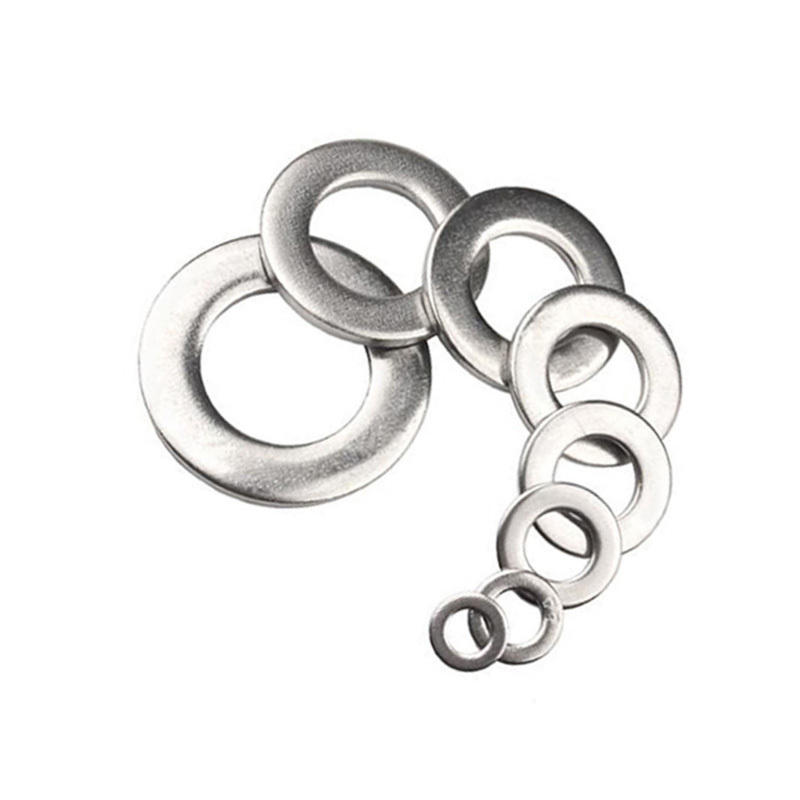
Using washers in conjunction with DIN928 welding nuts can significantly enhance the performance of the fastening system. Washers distribute the load, reduce friction, and can prevent damage to the material being fastened.
Applications of DIN928 Welding Nuts
DIN928 welding nuts find applications across various industries. Their versatility makes them suitable for numerous environments and uses. Some common applications include:
Automotive Industry
In automotive manufacturing, DIN928 welding nuts are used in body assembly and structural components, providing a reliable fastening solution that can withstand vibrations and loads.
Construction
Constructing buildings and infrastructure often involves using these welding nuts in steel frames and supports, where their strength ensures stability and durability.
Aerospace
In the aerospace sector, where weight and performance are critical, DIN928 welding nuts are used in lightweight structures, ensuring a secure fastening point without compromising integrity.
Benefits of Using DIN928 Welding Nuts
The advantages of incorporating DIN928 welding nuts into assembly processes are numerous:
Enhanced Strength and Stability
DIN928 welding nuts provide a robust fastening point that enhances the overall stability of the assembly, allowing it to withstand considerable forces and environmental conditions.
Efficiency in Assembly
The welding process is generally faster than traditional fastening methods, allowing for quicker assembly times and reducing labor costs.
Reduced Risk of Loosening
Once welded, these nuts are less likely to loosen over time compared to standard nuts and bolts, ensuring long-term reliability.
Best Practices for Using DIN928 Welding Nuts
To maximize the effectiveness of DIN928 welding nuts, adhere to the following best practices:
1. Proper Selection of Materials
Choose the appropriate material based on the application environment. For example, opt for stainless steel in corrosive environments.
2. Ensure Accurate Welding Techniques
Utilize proper welding techniques to ensure a solid bond between the nut and the base material, preventing failures during operation.
3. Regular Inspections
Conduct regular inspections of assemblies that utilize DIN928 welding nuts to identify and address any potential issues early.
Frequently Asked Questions
1. What are the benefits of using DIN928 welding nuts over traditional fastening methods?
DIN928 welding nuts offer enhanced strength, reduced risk of loosening, and faster assembly times compared to traditional nuts and bolts.
2. Can DIN928 welding nuts be used in outdoor applications?
Yes, but it is essential to select the right material, such as stainless steel, for outdoor conditions to resist corrosion.
3. What welding methods are recommended for DIN928 welding nuts?
TIG (Tungsten Inert Gas) and MIG (Metal Inert Gas) welding methods are commonly recommended for welding DIN928 nuts.
4. How do I ensure compatibility with other fasteners?
Check the dimensions and thread standards of both the welding nuts and the fasteners you plan to use. Compatibility is crucial for effective load distribution and strength.
5. Are there any limitations to using DIN928 welding nuts?
While they are highly versatile, their effectiveness may be compromised if subjected to extreme temperatures or aggressive chemical environments without appropriate material selection.
Conclusion
In summary, understanding the compatibility of **DIN928 welding nuts** with other fasteners is essential for ensuring the integrity and performance of assemblies across various industries. By leveraging the unique attributes of these welding nuts, combined with appropriate fastening methods, one can achieve reliable and durable solutions for industrial applications. Whether in automotive, construction, or aerospace industries, DIN928 welding nuts continue to prove their worth as an essential component in modern fastening systems.
Welding nut DIN928
RELEVANT INFORMATION

Understanding the Importance and Applications of Spring Washer DIN127 in Industrial Fastening
Nov 15,2025
Why You Need Flat Washer DIN125 for Your Industrial Applications
Nov 12,2025
Understanding Stud Bolt DIN 938: A Comprehensive Guide for Industrial Applications
Nov 09,2025

Mainly produces bolts, nuts, washers, full threaded studs, anchor bolts, screws with DIN, BSW, ANIS, MS.


CONTACT US
Yongnian District, Handan City S318 Hebei Province rural credit Cooperative (Yuehua Road) southeast about 170 meters

Mobile website


