
The Role of Stud Bolt DIN938 in Ensuring Structural Integrity
Apr 17,2025
The Role of Stud Bolt DIN938 in Ensuring Structural Integrity
In the realm of industrial equipment and components, particularly in fastening and connecting systems, the significance of Stud Bolt DIN938 cannot be overstated. These fasteners are crucial in maintaining the structural integrity of various assemblies, especially in high-stress applications. This article delves deep into the characteristics, applications, and advantages of Stud Bolt DIN938, ensuring you grasp its pivotal role in engineering.
Understanding Stud Bolts: A Comprehensive Overview
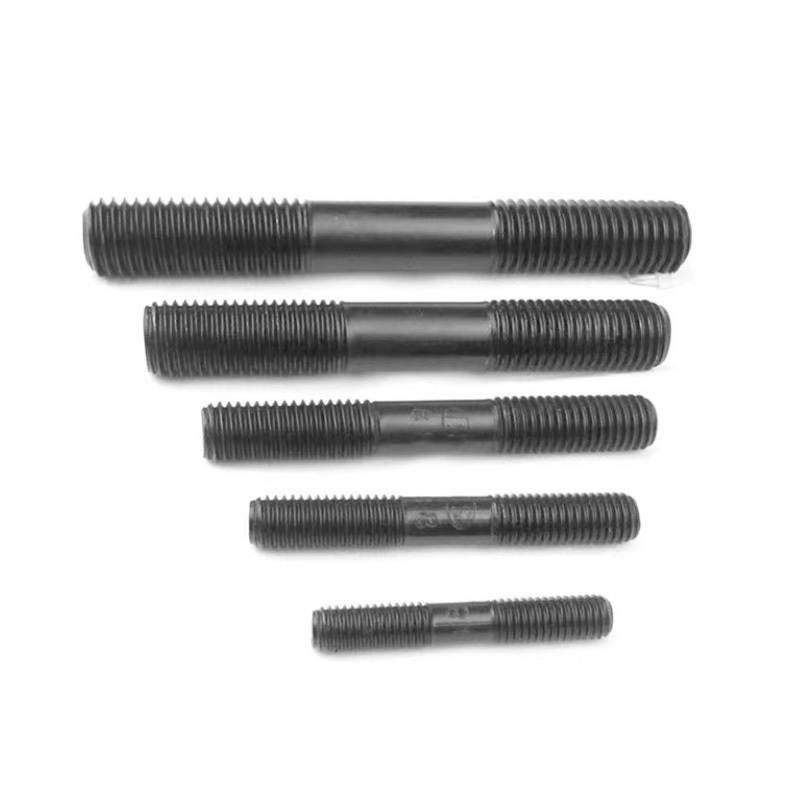
Stud bolts are specialized fasteners used in conjunction with nuts to secure two or more components together. Unlike traditional bolts, which have a head at one end and a threaded shaft, stud bolts feature threads on both ends, making them highly versatile. DIN938 is a standard that outlines specific dimensions and tolerances for these fasteners, providing consistency and reliability in their application.
Key Characteristics of Stud Bolt DIN938
Stud Bolts DIN938 are known for their unique specifications, which make them suitable for various applications.
- Material Composition: Typically made from carbon steel or stainless steel, which enhances corrosion resistance and durability.
- Dimensions: Standardized sizes ensure compatibility across different applications, reducing the risk of failure due to improper fit.
- Load Bearing Capacity: Capable of withstanding high loads, making them ideal for heavy machinery and structural applications.
Material Strength and Corrosion Resistance
Material selection is paramount when choosing Stud Bolts DIN938. Carbon steel offers excellent strength but may require coatings for corrosion resistance. On the other hand, stainless steel provides inherent corrosion resistance, making it suitable for environments where moisture or chemicals are present.
The Importance of Structural Integrity in Engineering
Structural integrity refers to the ability of a structure to withstand its intended load without experiencing failure. In engineering, ensuring structural integrity is crucial for safety, longevity, and performance. Stud Bolts DIN938 play a vital role in achieving this goal.
How Stud Bolt DIN938 Contributes to Structural Integrity
The contribution of Stud Bolts DIN938 to structural integrity can be broken down into several key factors.
- Uniform Load Distribution: The design of stud bolts facilitates an even distribution of loads across the connected components, minimizing stress concentrations that could lead to failure.
- Enhanced Joint Strength: The ability to create strong, reliable joints means that structures can resist dynamic loads and vibrations, which are common in many industrial settings.
- Resistance to Shear Forces: Stud bolts are engineered to resist shear forces, ensuring that connected components remain securely fastened even under challenging conditions.
Applications of Stud Bolt DIN938 Across Industries
Stud Bolts DIN938 are employed in various industries due to their versatility and reliability. Some prominent applications include:
- Oil and Gas: Used in pipelines, drilling rigs, and offshore platforms, where they must withstand extreme pressures and corrosive environments.
- Construction: Essential in the assembly of steel structures, bridges, and heavy machinery, ensuring safety and longevity.
- Aerospace: Employed in critical components that require high strength-to-weight ratios and resistance to extreme conditions.
Installation Practices for Stud Bolt DIN938
Proper installation is crucial to harnessing the full benefits of Stud Bolts DIN938. Adhering to best practices ensures optimal performance and durability.
Preparation for Installation
Before installation, it's essential to assess the materials and components being fastened. Ensure that the surfaces are clean, free of debris, and properly aligned. This preparation mitigates the risk of misalignment and joint failure.
Step-by-Step Installation Process
1. **Select the Right Tools:** Use appropriate wrenches and torque tools to avoid damage during installation.
2. **Insert the Stud Bolt:** Position the stud bolt through the components that require fastening.
3. **Apply Nuts:** Securely place nuts on both ends of the stud, ensuring they are finger-tight.
4. **Torque the Nuts:** Using a torque wrench, tighten the nuts to the specified torque settings. This step is vital for achieving the desired clamping force.
5. **Inspect the Joint:** After installation, inspect the joint for any signs of misalignment or improper fastening.
Advantages of Using Stud Bolt DIN938
The use of Stud Bolts DIN938 offers numerous advantages over conventional fastening methods.
Cost-Effectiveness
Stud bolts often reduce the number of components required for assembly. This efficiency translates to lower material costs and faster assembly time, making them a cost-effective solution for manufacturers.
Improved Safety
Ensuring structural integrity directly impacts safety. With their high load-bearing capacity and resistance to failure, Stud Bolts DIN938 contribute significantly to the overall safety of structures and machinery.
Long-Term Durability
The robust design and material composition of Stud Bolts DIN938 ensure their longevity, reducing the frequency of repairs and maintenance. This durability makes them an ideal choice for critical applications.
Common FAQs About Stud Bolt DIN938
What is the difference between a stud bolt and a regular bolt?
Stud bolts have threads on both ends, allowing for secure fastening on both sides of the connection. In contrast, regular bolts have a head on one end and are typically secured with a nut on the opposite side.
Are Stud Bolts DIN938 suitable for high-temperature applications?
Yes, Stud Bolts DIN938 can be made from materials that withstand high temperatures, making them suitable for applications in environments such as power plants and manufacturing facilities.
What torque settings should I use for installing Stud Bolt DIN938?
Torque settings vary based on the material and size of the stud bolt. Always refer to the manufacturer's specifications for the appropriate torque values to ensure proper installation.
How do I ensure the longevity of Stud Bolts DIN938?
To maximize the lifespan of Stud Bolts DIN938, conduct regular inspections, ensure proper lubrication, and maintain the environment free from corrosive agents.
Can I use Stud Bolts DIN938 in corrosive environments?
Yes, Stud Bolts made from stainless steel or coated with corrosion-resistant materials are suitable for use in corrosive environments, such as chemical plants and coastal areas.
Conclusion
In conclusion, Stud Bolt DIN938 serves as a fundamental component in ensuring the structural integrity of various applications across multiple industries. Their unique characteristics, combined with proper installation practices, deliver unmatched performance and reliability. By understanding the importance and application of these fasteners, engineers and manufacturers can significantly contribute to the safety and longevity of their structures. Embracing Stud Bolt DIN938 not only optimizes performance but also enhances the overall integrity of engineering solutions.
Stud Bolt DIN938
RELEVANT INFORMATION

Understanding the Importance and Applications of Spring Washer DIN127 in Industrial Fastening
Nov 15,2025
Why You Need Flat Washer DIN125 for Your Industrial Applications
Nov 12,2025
Understanding Stud Bolt DIN 938: A Comprehensive Guide for Industrial Applications
Nov 09,2025

Mainly produces bolts, nuts, washers, full threaded studs, anchor bolts, screws with DIN, BSW, ANIS, MS.


CONTACT US
Yongnian District, Handan City S318 Hebei Province rural credit Cooperative (Yuehua Road) southeast about 170 meters

Mobile website


