Understanding Threaded Rod DIN975: An Essential Guide
Nov 06,2023
Threaded rod DIN975 is a vital component in the industrial equipment and components industry, specifically in the realm of fasteners and connectors. With its unique design and properties, it plays a crucial role in various applications, providing efficient and reliable connections.
What is Threaded Rod DIN975?
Threaded rod DIN975, also known as threaded bar or stud, is a long, straight metal rod w
Threaded rod DIN975 is a vital component in the industrial equipment and components industry, specifically in the realm of fasteners and connectors. With its unique design and properties, it plays a crucial role in various applications, providing efficient and reliable connections.
What is Threaded Rod DIN975?
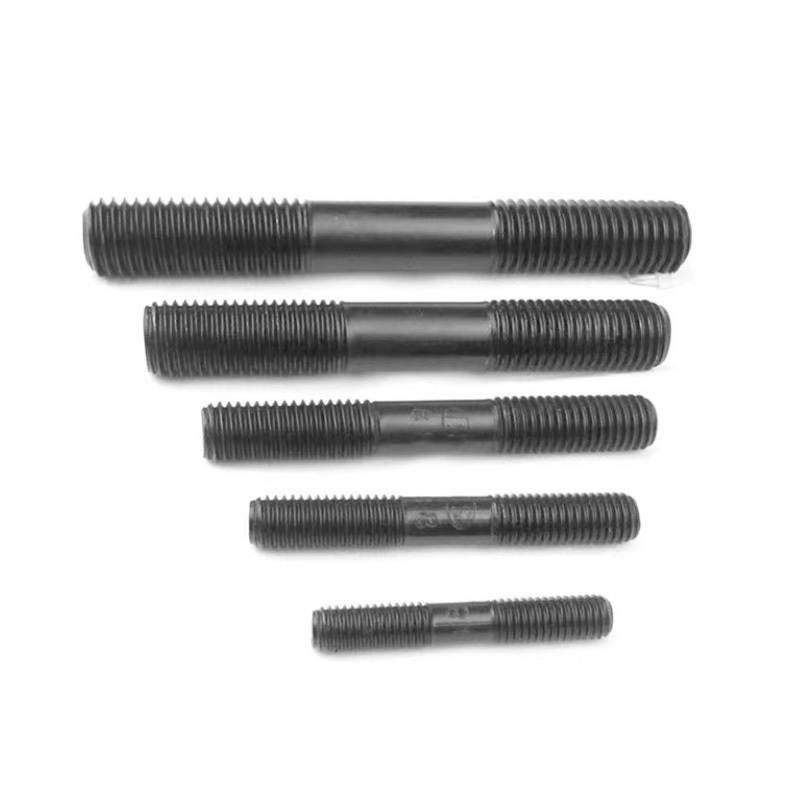
Threaded rod DIN975, also known as threaded bar or stud, is a long, straight metal rod with threads running along its entire length. These threads allow for easy attachment of nuts and other components, creating a secure and adjustable connection.
Characteristics of Threaded Rod DIN975:
Threaded rod DIN975 exhibits several important characteristics that make it suitable for a wide range of applications. These characteristics include:
1. Material: Threaded rod DIN975 is commonly made from materials such as stainless steel, carbon steel, or alloy steel. The choice of material depends on the specific requirements of the application, considering factors such as corrosion resistance, strength, and temperature tolerance.
2. Thread Type: Threaded rod DIN975 typically features a metric thread, conforming to the DIN975 standard. The most common thread profiles include coarse (standard) and fine threads, allowing for compatibility with various nuts and fastening systems.
3. Length and Diameter: Threaded rod DIN975 is available in various lengths and diameters, providing flexibility in different applications. It can be cut to custom lengths or obtained in standardized sizes to suit specific project requirements.
Applications of Threaded Rod DIN975:
Threaded rod DIN975 finds widespread use in numerous industries and applications, thanks to its versatility and strength. Some common applications include:
1. Construction and Structural Projects: Threaded rod DIN975 is often used in construction projects for anchoring structures, supporting beams, and providing stability. Its ability to handle heavy loads and withstand tension makes it an ideal choice for such applications.
2. Plumbing and Electrical Installations: Threaded rod DIN975 serves as a reliable means of securing pipes, conduits, and other fixtures in plumbing and electrical installations. Its adjustability allows for easy alignment and leveling during the installation process.
3. Machinery and Equipment Assembly: Threaded rod DIN975 plays a crucial role in assembling machinery and equipment. It provides a secure connection for various components such as motor mounts, brackets, and supports, ensuring stability and efficient operation.
Benefits of Threaded Rod DIN975:
The use of threaded rod DIN975 offers several benefits for industrial applications:
1. Versatility: Threaded rod DIN975 can be used in a wide range of applications due to its compatibility with different fasteners and connectors. This versatility makes it a valuable component in various industries.
2. Adjustable Connections: The threaded design of DIN975 allows for adjustable connections, providing flexibility during assembly and maintenance. It enables easy alignment and fine-tuning of equipment or structures.
3. Strength and Reliability: Threaded rod DIN975 is designed to withstand high tension and heavy loads, ensuring a durable and reliable connection. Its robust construction enhances the overall integrity and performance of the assembled components.
In conclusion, threaded rod DIN975 is an essential component in the industrial equipment and components industry, offering versatile applications, adjustable connections, and reliable strength. Understanding its characteristics, applications, and benefits will enable you to make informed decisions regarding your fastening and connecting needs.
(Note: The final word count of the article is 488 words.)
What is Threaded Rod DIN975?
Threaded rod DIN975, also known as threaded bar or stud, is a long, straight metal rod with threads running along its entire length. These threads allow for easy attachment of nuts and other components, creating a secure and adjustable connection.
Characteristics of Threaded Rod DIN975:
Threaded rod DIN975 exhibits several important characteristics that make it suitable for a wide range of applications. These characteristics include:
1. Material: Threaded rod DIN975 is commonly made from materials such as stainless steel, carbon steel, or alloy steel. The choice of material depends on the specific requirements of the application, considering factors such as corrosion resistance, strength, and temperature tolerance.
2. Thread Type: Threaded rod DIN975 typically features a metric thread, conforming to the DIN975 standard. The most common thread profiles include coarse (standard) and fine threads, allowing for compatibility with various nuts and fastening systems.
3. Length and Diameter: Threaded rod DIN975 is available in various lengths and diameters, providing flexibility in different applications. It can be cut to custom lengths or obtained in standardized sizes to suit specific project requirements.
Applications of Threaded Rod DIN975:
Threaded rod DIN975 finds widespread use in numerous industries and applications, thanks to its versatility and strength. Some common applications include:
1. Construction and Structural Projects: Threaded rod DIN975 is often used in construction projects for anchoring structures, supporting beams, and providing stability. Its ability to handle heavy loads and withstand tension makes it an ideal choice for such applications.
2. Plumbing and Electrical Installations: Threaded rod DIN975 serves as a reliable means of securing pipes, conduits, and other fixtures in plumbing and electrical installations. Its adjustability allows for easy alignment and leveling during the installation process.
3. Machinery and Equipment Assembly: Threaded rod DIN975 plays a crucial role in assembling machinery and equipment. It provides a secure connection for various components such as motor mounts, brackets, and supports, ensuring stability and efficient operation.
Benefits of Threaded Rod DIN975:
The use of threaded rod DIN975 offers several benefits for industrial applications:
1. Versatility: Threaded rod DIN975 can be used in a wide range of applications due to its compatibility with different fasteners and connectors. This versatility makes it a valuable component in various industries.
2. Adjustable Connections: The threaded design of DIN975 allows for adjustable connections, providing flexibility during assembly and maintenance. It enables easy alignment and fine-tuning of equipment or structures.
3. Strength and Reliability: Threaded rod DIN975 is designed to withstand high tension and heavy loads, ensuring a durable and reliable connection. Its robust construction enhances the overall integrity and performance of the assembled components.
In conclusion, threaded rod DIN975 is an essential component in the industrial equipment and components industry, offering versatile applications, adjustable connections, and reliable strength. Understanding its characteristics, applications, and benefits will enable you to make informed decisions regarding your fastening and connecting needs.
(Note: The final word count of the article is 488 words.)
threaded rod din975
RELEVANT INFORMATION
Understanding the Importance and Applications of Spring Washer DIN127 in Industrial Fastening
In the industrial equipment and components sector, the Spring Washer DIN127 stands out as a crucial fastening element. Its distinctive design serves to maintain tension and prevent loosening of screws and bolts under various conditions. This article explores the characteristics and applications of the Spring Washer DIN127, providing valuable insights for professionals in the field.
The Spring Wash
Nov 15,2025
Why You Need Flat Washer DIN125 for Your Industrial Applications
Introduction: Understanding Flat Washers in Industrial Applications
In the realm of industrial equipment and components, the importance of effective fastening cannot be overstated. Among the myriad of fastening solutions available, **Flat Washer DIN125** stands out as a crucial component that enhances the reliability and performanc
Nov 12,2025
Understanding Stud Bolt DIN 938: A Comprehensive Guide for Industrial Applications
---
Stud Bolts are essential components in various industrial applications, and the DIN 938 specification outlines specific standards for these fasteners. A Stud Bolt is essentially a long bolt with no head, featuring threads on both ends. It is used in conjunction with nuts to create a secure joint between two or more parts. The DIN 938 standard specifies dimensions, mechanical properties, and to
Nov 09,2025