
The Importance of Threaded Rod DIN975 in Industrial Applications
Nov 05,2023
1.
Introduction
2.
What is Threaded Rod DIN975?
3.
Benefits of Threaded Rod DIN975
4.
Types of Threaded Rod DIN975
4.1
Fully Threaded Rods
4.2
Double-End Threaded Rods
4.3
Stainless Steel Threaded Rods
4.4
Zinc-Plated Threaded Rods
4.5
Galvanized Threaded Rods
5.
Industrial Applications of Threaded Rod DIN975
5.1
Construction Industry
5.2
Automotive Industry
5.3
Heavy Machinery and Equipment
5.4
Structural Engineering
5.5
Electrical and Electronics Industry
5.6
Marine Industry
6.
Installation and Maintenance Tips
7.
Frequently Asked Questions (FAQs)
7.1
What is the recommended torque for Threaded Rod DIN975 installation?
7.2
Can Threaded Rod DIN975 be used for outdoor applications?
7.3
What are the advantages of stainless steel Threaded Rod DIN975?
7.4
Is it necessary to lubricate Threaded Rod DIN975?
7.5
Are there any alternatives to Threaded Rod DIN975?
8.
Conclusion
Introduction
In the realm of industrial applications, the role of Threaded Rod DIN975 is paramount. This article unveils the significance of Threaded Rod DIN975 in the smooth functioning of machinery and equipment. We will explore its benefits, types, and diverse applications across various industries.
What is Threaded Rod DIN975?
Threaded Rod DIN975, also known as a stud, is a long cylindrical rod with threading along its entire length. It is a key component used for fastening and connecting various elements in industrial applications. The DIN975 standard ensures that these rods meet specific requirements, including dimensional accuracy and strength.
Benefits of Threaded Rod DIN975
Threaded Rod DIN975 offers numerous advantages in industrial applications. Its key benefits include:
1. Versatility: Threaded Rod DIN975 can be used in a wide range of applications due to its ability to connect diverse components.
2. Strength and Stability: These rods provide reliable support and stability to heavy machinery and structures.
3. Easy Installation: Threaded Rod DIN975 can be quickly and securely installed, saving time and effort.
4. Cost-Effective: With their long lifespan and durability, these rods offer a cost-effective solution for industrial applications.
5. Customization Options: Threaded Rod DIN975 can be manufactured in different materials, sizes, and thread configurations to meet specific requirements.
Types of Threaded Rod DIN975
Threaded Rod DIN975 comes in various types, each serving unique purposes. The following are the most common types:
Fully Threaded Rods
Fully threaded rods have threads along their entire length. They provide maximum versatility and support in various applications.
Double-End Threaded Rods
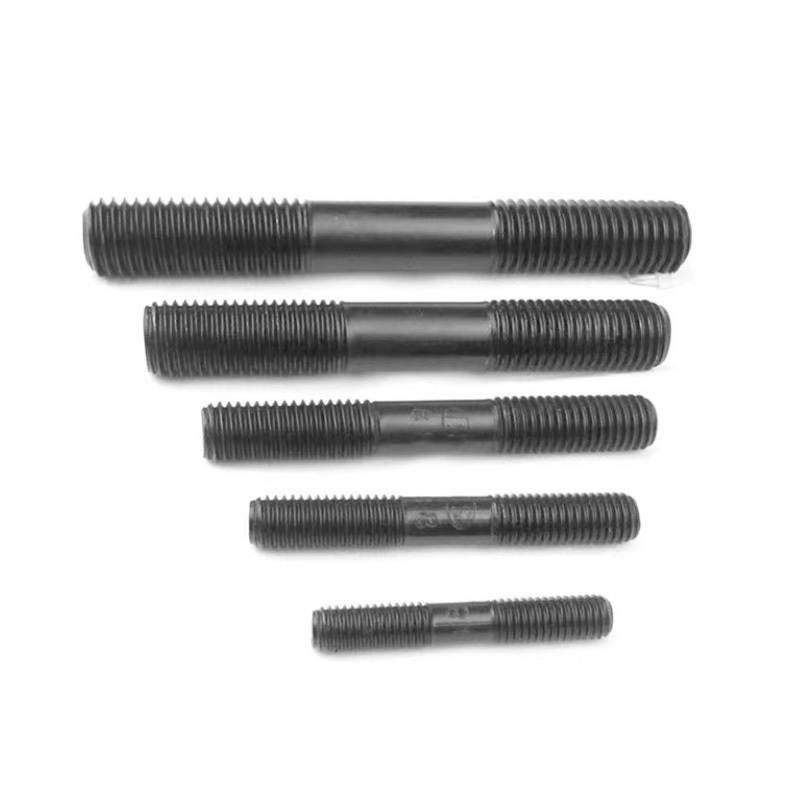
Double-end threaded rods have threads on both ends, allowing for easy attachment and connection between components.
Stainless Steel Threaded Rods
Stainless steel threaded rods offer excellent corrosion resistance, making them ideal for outdoor and high-moisture environments.
Zinc-Plated Threaded Rods
Zinc-plated threaded rods provide enhanced protection against corrosion and are commonly used in indoor applications.
Galvanized Threaded Rods
Galvanized threaded rods are coated with a layer of zinc, offering superior corrosion resistance and durability.
Industrial Applications of Threaded Rod DIN975
Threaded Rod DIN975 finds extensive use across a wide range of industries. Its applications include:
Construction Industry
Threaded rods are widely used in the construction industry for securing and connecting structural elements such as beams and columns. They provide stability and strength to buildings and infrastructure.
Automotive Industry
Threaded rods are essential in the automotive industry for assembling components, securing parts, and maintaining structural integrity in vehicles.
Heavy Machinery and Equipment
Threaded rods play a crucial role in heavy machinery and equipment, ensuring stability and reliable connections between various parts and components.
Structural Engineering
Structural engineers rely on threaded rods to reinforce and connect critical elements in buildings, bridges, and other structures, ensuring their stability and safety.
Electrical and Electronics Industry
In the electrical and electronics industry, threaded rods are utilized for mounting and securing electrical panels, racks, and equipment.
Marine Industry
Threaded rods with corrosion-resistant properties, such as stainless steel and galvanized variants, are extensively used in the marine industry to ensure the longevity and safety of structures and equipment.
Installation and Maintenance Tips
When installing Threaded Rod DIN975, it is essential to follow a few tips to ensure optimal performance:
1. Clean the threads and mating surfaces before installation to remove any dirt, debris, or contaminants.
2. Apply appropriate torque during installation to achieve the recommended clamping force without damaging the threads.
3. Regularly inspect and maintain threaded rods to prevent corrosion and ensure their continued functionality.
Frequently Asked Questions (FAQs)
Here are some frequently asked questions about Threaded Rod DIN975:
What is the recommended torque for Threaded Rod DIN975 installation?
The recommended torque for Threaded Rod DIN975 installation depends on the specific application and the material used. It is advisable to consult the manufacturer's guidelines or engineering specifications for the appropriate torque values.
Can Threaded Rod DIN975 be used for outdoor applications?
Yes, Threaded Rod DIN975 can be used for outdoor applications. However, it is crucial to select the appropriate material variant, such as stainless steel or galvanized, to ensure resistance to corrosion and environmental factors.
What are the advantages of stainless steel Threaded Rod DIN975?
Stainless steel Threaded Rod DIN975 offers excellent corrosion resistance, high strength, and durability. It is ideal for applications where exposure to moisture, chemicals, or harsh environments is a concern.
Is it necessary to lubricate Threaded Rod DIN975?
Lubrication is not typically required for Threaded Rod DIN975. However, applying a suitable lubricant can facilitate smoother installation and removal, especially in challenging or high-load applications.
Are there any alternatives to Threaded Rod DIN975?
While Threaded Rod DIN975 is widely used, there may be alternative fastening methods or components available, depending on the specific application. It is recommended to consult with a qualified engineer or industry expert to explore suitable alternatives.
Conclusion
In conclusion, Threaded Rod DIN975 plays a vital role in various industrial applications, offering versatility, strength, and ease of installation. Its importance in the construction, automotive, heavy machinery, and other industries cannot be understated. By understanding the benefits, types, and applications of Threaded Rod DIN975, industrial professionals can make informed choices to ensure efficient and reliable connections in their projects.
threaded rod din975
RELEVANT INFORMATION

Understanding the Importance and Applications of Spring Washer DIN127 in Industrial Fastening
Nov 15,2025
Why You Need Flat Washer DIN125 for Your Industrial Applications
Nov 12,2025
Understanding Stud Bolt DIN 938: A Comprehensive Guide for Industrial Applications
Nov 09,2025

Mainly produces bolts, nuts, washers, full threaded studs, anchor bolts, screws with DIN, BSW, ANIS, MS.


CONTACT US
Yongnian District, Handan City S318 Hebei Province rural credit Cooperative (Yuehua Road) southeast about 170 meters

Mobile website


