
Choosing the Right Threaded Rod DIN975: A Comprehensive Guide
Nov 07,2023
1. Introduction to Threaded Rods
2. Understanding DIN975 Standards
3. Types of Threaded Rods
3.1 Fully Threaded Rods
3.2 Partially Threaded Rods
4. Materials for Threaded Rods
4.1 Stainless Steel Threaded Rods
4.2 Carbon Steel Threaded Rods
4.3 Brass Threaded Rods
4.4 Aluminum Threaded Rods
5. Threaded Rod Sizes and Measurements
5.1 Metric Threaded Rods
5.2 Imperial Threaded Rods
6. Threaded Rod Applications
6.1 Construction Industry
6.2 Manufacturing Industry
6.3 Automotive Industry
6.4 Plumbing and Electrical Installations
7. Factors to Consider When Choosing
7.1 Load Capacity and Strength Requirements
7.2 Environmental Factors
7.3 Corrosion Resistance
7.4 Temperature Resistance
7.5 Cost-Effectiveness
8. Frequently Asked Questions (FAQs)
8.1 What is the purpose of DIN975 standards?
8.2 Can threaded rods be used in outdoor applications?
8.3 How do I determine the right size of the threaded rod?
8.4 Are there threaded rods suitable for high-temperature environments?
8.5 What are the advantages of stainless steel threaded rods?
9. Conclusion
1. Introduction to Threaded Rods
Threaded rods play a crucial role in various industries, providing stability and support in different applications. Whether you need to secure two components together or provide structural integrity, choosing the right threaded rod is essential for optimal performance.
2. Understanding DIN975 Standards
DIN975 is a well-known standard that defines the specifications for threaded rods. It ensures consistent quality, compatibility, and performance across different manufacturers. Familiarizing yourself with DIN975 standards will guide you in making informed decisions.
3. Types of Threaded Rods
3.1 Fully Threaded Rods
Fully threaded rods have threads along the entire length, providing maximum adjustability and secure fastening. They are commonly used in applications where precise length requirements are necessary.
3.2 Partially Threaded Rods
Partially threaded rods, also known as double-ended studs, have threads on both ends and an unthreaded portion in the middle. These rods are ideal for situations requiring fastening on one end and the ability to adjust on the other.
4. Materials for Threaded Rods
4.1 Stainless Steel Threaded Rods
Stainless steel threaded rods offer excellent corrosion resistance, making them suitable for outdoor and highly demanding environments. They are available in various grades, each with specific characteristics to meet diverse requirements.
4.2 Carbon Steel Threaded Rods
Carbon steel threaded rods are known for their strength and durability. They are cost-effective and commonly used in industrial applications where corrosion resistance is not a primary concern.
4.3 Brass Threaded Rods
Brass threaded rods are ideal for applications that require aesthetic appeal, such as furniture manufacturing. They offer good corrosion resistance and are suitable for environments with low to moderate loads.
4.4 Aluminum Threaded Rods
Aluminum threaded rods are lightweight and offer excellent corrosion resistance. They are commonly used in applications where weight reduction is crucial, such as aerospace and automotive industries.
5. Threaded Rod Sizes and Measurements
5.1 Metric Threaded Rods
Metric threaded rods follow the ISO metric system and are measured in millimeters. Understanding the metric sizing system is essential for selecting the appropriate threaded rod for your specific requirements.
5.2 Imperial Threaded Rods
Imperial threaded rods are measured in inches and follow the Unified Thread Standard (UTS). It is crucial to understand the imperial measurements to ensure compatibility and proper fitment.
6. Threaded Rod Applications
6.1 Construction Industry
Threaded rods are extensively used in construction projects, providing structural support, reinforcing concrete, and securing building components.
6.2 Manufacturing Industry
The manufacturing industry relies on threaded rods for assembling machinery, equipment, and components. They ensure stability, alignment, and strength in various manufacturing processes.
6.3 Automotive Industry
Threaded rods find applications in the automotive industry, ranging from engine components to chassis structures. They provide secure fastening and play a vital role in vehicle safety.
6.4 Plumbing and Electrical Installations
Threaded rods are commonly used in plumbing and electrical installations to support pipes, conduits, and fixtures. They ensure stability and prevent sagging or movement.
7. Factors to Consider When Choosing
7.1 Load Capacity and Strength Requirements
Evaluate the load capacity and strength requirements of your application to select a threaded rod that can withstand the anticipated forces.
7.2 Environmental Factors
Consider the environmental conditions, such as exposure to moisture, chemicals, or extreme temperatures, to choose a threaded rod with appropriate corrosion resistance properties.
7.3 Corrosion Resistance
Depending on the application's exposure to corrosive elements, select a threaded rod made from a material that offers adequate corrosion resistance.
7.4 Temperature Resistance
If your application involves high or low temperatures, ensure the threaded rod material can withstand the temperature range without compromising its structural integrity.
7.5 Cost-Effectiveness
Balance the cost of the threaded rod with its performance and longevity to ensure a cost-effective solution for your specific requirements.
8. Frequently Asked Questions (FAQs)
8.1 What is the purpose of DIN975 standards?
DIN975 standards ensure consistent quality, compatibility, and performance of threaded rods across different manufacturers.
8.2 Can threaded rods be used in outdoor applications?
Yes, threaded rods made from materials with good corrosion resistance, such as stainless steel, can be used in outdoor applications.
8.3 How do I determine the right size of the threaded rod?
To determine the right size of the threaded rod, consider the load and the required length and consult relevant size charts and specifications.
8.4 Are there threaded rods suitable for high-temperature environments?
Yes, certain materials, such as heat-resistant stainless steel alloys, are suitable for high-temperature environments.
8.5 What are the advantages of stainless steel threaded rods?
Stainless steel threaded rods offer excellent corrosion resistance, durability, and strength, making them suitable for various applications.
9. Conclusion
Choosing the right threaded rod DIN975 is crucial for the success and longevity of your industrial projects. By understanding the different types, materials, sizes, and applications, you can make informed decisions and optimize the performance and reliability of your equipment and components. Take into account the load capacity, environmental factors, corrosion resistance, temperature resistance, and cost-effectiveness to select the best-threaded rod for your specific needs. Stay updated with DIN975 standards and industry advancements to ensure the highest quality and compatibility in your threaded rod choices.
With this comprehensive guide, you are now equipped to make the right choices and enhance your industrial endeavors.
threaded rod din975
RELEVANT INFORMATION

Understanding the Importance and Applications of Spring Washer DIN127 in Industrial Fastening
Nov 15,2025
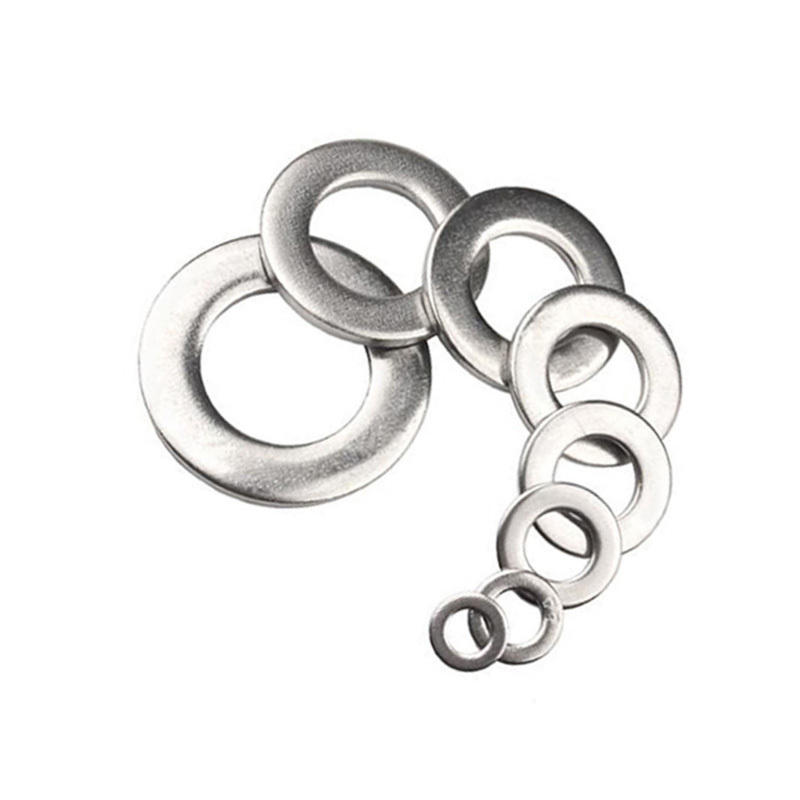
Why You Need Flat Washer DIN125 for Your Industrial Applications
Nov 12,2025
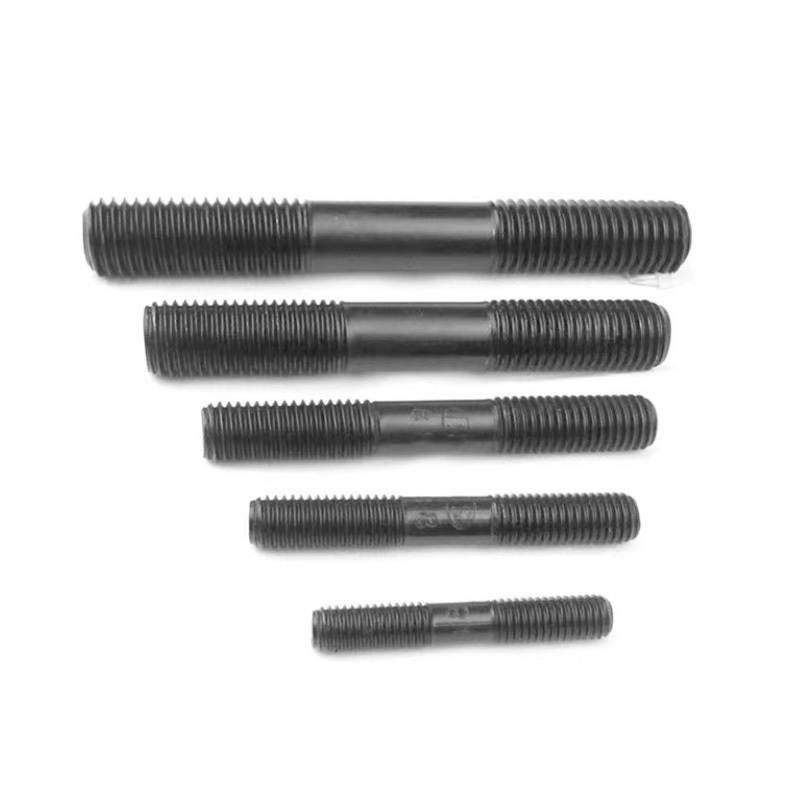
Understanding Stud Bolt DIN 938: A Comprehensive Guide for Industrial Applications
Nov 09,2025

Mainly produces bolts, nuts, washers, full threaded studs, anchor bolts, screws with DIN, BSW, ANIS, MS.


CONTACT US
Yongnian District, Handan City S318 Hebei Province rural credit Cooperative (Yuehua Road) southeast about 170 meters

Mobile website


