Understanding Flat Washer DIN125 in the Industrial Equipment and Components Industry
Oct 29,2023
Introduction:
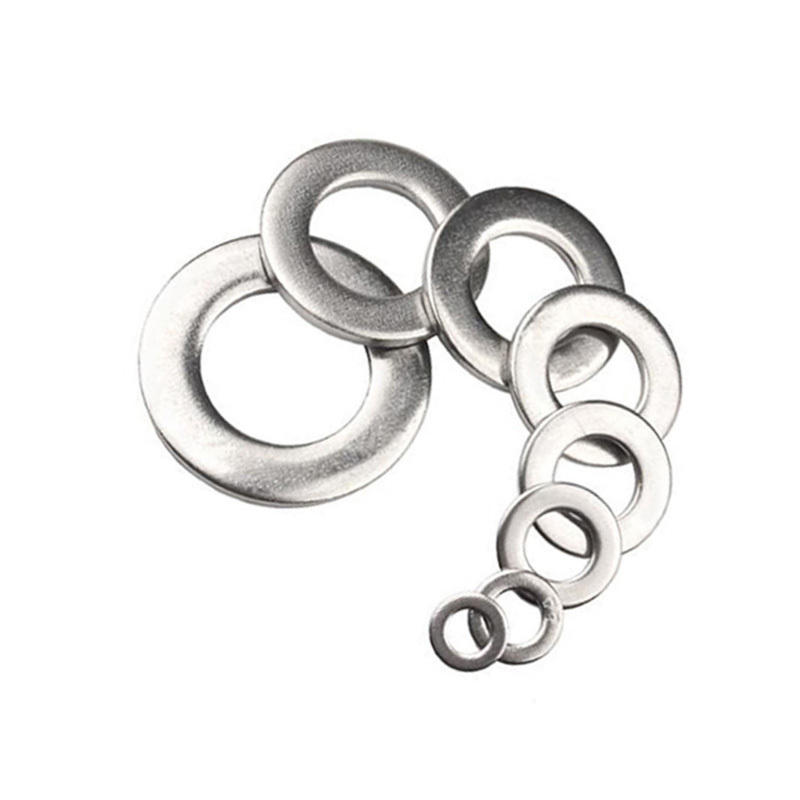
In the realm of industrial equipment and components, various fasteners and connectors play a crucial role. Among them, flat washers DIN125, although seemingly simple, hold great importance. This article aims to provide you with a comprehensive understanding of flat washers DIN125, their functions, types, and the benefits they offer for different applications.
Functions of Flat Washer
Introduction:
In the realm of industrial equipment and components, various fasteners and connectors play a crucial role. Among them, flat washers DIN125, although seemingly simple, hold great importance. This article aims to provide you with a comprehensive understanding of flat washers DIN125, their functions, types, and the benefits they offer for different applications.
Functions of Flat Washer DIN125:
Flat washers DIN125 are used to distribute the load of a fastener, such as a bolt or a screw, over a larger surface area. They help prevent damage to the surface being fastened and provide stability to the joint. By ensuring even force distribution, they can prevent loosening, leakage, or material deformation in the long run.
Types of Flat Washer DIN125:
There are several types of flat washers DIN125 available, each suited to specific applications:
1. Type A: Standard flat washers with a general-purpose design, suitable for most applications.
2. Type B: Flat washers with a larger outer diameter and thinner thickness, often used in automotive applications.
3. Type C: Flat washers with a smaller outer diameter and thicker thickness, commonly used in structural applications.
4. Type D: Extra-thick flat washers designed to provide increased strength and support in heavy-duty applications.
Benefits of Flat Washer DIN125:
- Load Distribution: By spreading the load, flat washers DIN125 minimize stress concentration, reducing the risk of material failure.
- Vibration Damping: They act as a cushion between the fastener and the surface, absorbing vibrations and reducing noise levels.
- Corrosion Protection: Flat washers DIN125 made from materials like stainless steel or galvanized steel provide corrosion resistance, extending the lifespan of the joint.
- Alignment and Centering: They assist in aligning and centering components during assembly, ensuring proper fit and functionality.
- Versatility: Flat washers DIN125 are suitable for various applications, including machinery, construction, automotive, and more.
Conclusion:
Flat washers DIN125 are essential components in the industrial equipment and components industry. By understanding their functions, types, and benefits, professionals in this sector can make informed decisions regarding the selection and usage of flat washers DIN125. Whether it's load distribution, vibration damping, corrosion protection, or alignment, these versatile washers provide valuable support to fasteners and connections, contributing to the overall performance and durability of industrial equipment and components.
In the realm of industrial equipment and components, various fasteners and connectors play a crucial role. Among them, flat washers DIN125, although seemingly simple, hold great importance. This article aims to provide you with a comprehensive understanding of flat washers DIN125, their functions, types, and the benefits they offer for different applications.
Functions of Flat Washer DIN125:
Flat washers DIN125 are used to distribute the load of a fastener, such as a bolt or a screw, over a larger surface area. They help prevent damage to the surface being fastened and provide stability to the joint. By ensuring even force distribution, they can prevent loosening, leakage, or material deformation in the long run.
Types of Flat Washer DIN125:
There are several types of flat washers DIN125 available, each suited to specific applications:
1. Type A: Standard flat washers with a general-purpose design, suitable for most applications.
2. Type B: Flat washers with a larger outer diameter and thinner thickness, often used in automotive applications.
3. Type C: Flat washers with a smaller outer diameter and thicker thickness, commonly used in structural applications.
4. Type D: Extra-thick flat washers designed to provide increased strength and support in heavy-duty applications.
Benefits of Flat Washer DIN125:
- Load Distribution: By spreading the load, flat washers DIN125 minimize stress concentration, reducing the risk of material failure.
- Vibration Damping: They act as a cushion between the fastener and the surface, absorbing vibrations and reducing noise levels.
- Corrosion Protection: Flat washers DIN125 made from materials like stainless steel or galvanized steel provide corrosion resistance, extending the lifespan of the joint.
- Alignment and Centering: They assist in aligning and centering components during assembly, ensuring proper fit and functionality.
- Versatility: Flat washers DIN125 are suitable for various applications, including machinery, construction, automotive, and more.
Conclusion:
Flat washers DIN125 are essential components in the industrial equipment and components industry. By understanding their functions, types, and benefits, professionals in this sector can make informed decisions regarding the selection and usage of flat washers DIN125. Whether it's load distribution, vibration damping, corrosion protection, or alignment, these versatile washers provide valuable support to fasteners and connections, contributing to the overall performance and durability of industrial equipment and components.
flat washer din125
RELEVANT INFORMATION
Understanding the Importance and Applications of Spring Washer DIN127 in Industrial Fastening
In the industrial equipment and components sector, the Spring Washer DIN127 stands out as a crucial fastening element. Its distinctive design serves to maintain tension and prevent loosening of screws and bolts under various conditions. This article explores the characteristics and applications of the Spring Washer DIN127, providing valuable insights for professionals in the field.
The Spring Wash
Nov 15,2025
Why You Need Flat Washer DIN125 for Your Industrial Applications
Introduction: Understanding Flat Washers in Industrial Applications
In the realm of industrial equipment and components, the importance of effective fastening cannot be overstated. Among the myriad of fastening solutions available, **Flat Washer DIN125** stands out as a crucial component that enhances the reliability and performanc
Nov 12,2025
Understanding Stud Bolt DIN 938: A Comprehensive Guide for Industrial Applications
---
Stud Bolts are essential components in various industrial applications, and the DIN 938 specification outlines specific standards for these fasteners. A Stud Bolt is essentially a long bolt with no head, featuring threads on both ends. It is used in conjunction with nuts to create a secure joint between two or more parts. The DIN 938 standard specifies dimensions, mechanical properties, and to
Nov 09,2025