Understanding Shaft Rings and their Importance in Industrial Equipment
Aug 30,2023
Shaft rings are essential components in the field of industrial equipment and components, specifically in the category of fasteners and connectors. They play a crucial role in ensuring the proper functioning and reliable operation of machinery. In this article, we will explore the importance of shaft rings and their significance in various industrial applications.
A shaft ring, also known as a ret
Shaft rings are essential components in the field of industrial equipment and components, specifically in the category of fasteners and connectors. They play a crucial role in ensuring the proper functioning and reliable operation of machinery. In this article, we will explore the importance of shaft rings and their significance in various industrial applications.
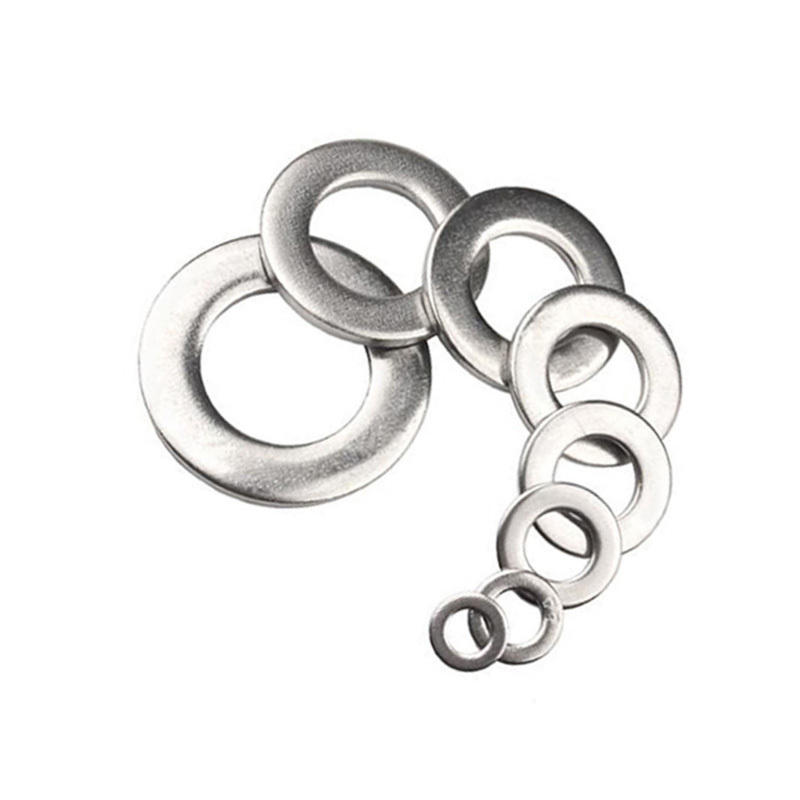
A shaft ring, also known as a retaining ring, is a circular metal device that fits into a groove on a shaft, providing axial retention. It acts as a mechanical stop, preventing the axial movement of components such as bearings, gears, or pulleys. By holding these parts securely in place, shaft rings contribute to the stability and alignment of the machinery.
One of the key benefits of using shaft rings is their ability to distribute axial forces evenly, reducing stress and wear on other components. This even distribution of forces helps to improve the overall performance and efficiency of the equipment. Additionally, shaft rings provide protection against axial movement caused by vibrations, shocks, or rotational forces, ensuring the smooth and uninterrupted operation of the machinery.
In industrial applications, where precision and reliability are paramount, shaft rings are particularly important. They help maintain the correct alignment of components, preventing unnecessary friction and wear. This not only improves the performance of the machinery but also extends its lifespan, reducing maintenance costs and downtime.
Shaft rings are available in various materials, including stainless steel, carbon steel, and bronze. The choice of material depends on factors such as the environment, load requirements, and temperature conditions. Stainless steel shaft rings, for example, offer excellent corrosion resistance and durability, making them suitable for applications in harsh environments.
In conclusion, shaft rings are vital components in industrial equipment, particularly in the field of fasteners and connectors. Their role in providing axial retention, distributing forces evenly, and maintaining the alignment of components cannot be overstated. By using shaft rings, manufacturers and operators can ensure the proper functioning, reliability, and longevity of their machinery. Whether it's preventing axial movement or reducing stress and wear, these small yet significant components contribute to the overall performance and efficiency of industrial equipment.
A shaft ring, also known as a retaining ring, is a circular metal device that fits into a groove on a shaft, providing axial retention. It acts as a mechanical stop, preventing the axial movement of components such as bearings, gears, or pulleys. By holding these parts securely in place, shaft rings contribute to the stability and alignment of the machinery.
One of the key benefits of using shaft rings is their ability to distribute axial forces evenly, reducing stress and wear on other components. This even distribution of forces helps to improve the overall performance and efficiency of the equipment. Additionally, shaft rings provide protection against axial movement caused by vibrations, shocks, or rotational forces, ensuring the smooth and uninterrupted operation of the machinery.
In industrial applications, where precision and reliability are paramount, shaft rings are particularly important. They help maintain the correct alignment of components, preventing unnecessary friction and wear. This not only improves the performance of the machinery but also extends its lifespan, reducing maintenance costs and downtime.
Shaft rings are available in various materials, including stainless steel, carbon steel, and bronze. The choice of material depends on factors such as the environment, load requirements, and temperature conditions. Stainless steel shaft rings, for example, offer excellent corrosion resistance and durability, making them suitable for applications in harsh environments.
In conclusion, shaft rings are vital components in industrial equipment, particularly in the field of fasteners and connectors. Their role in providing axial retention, distributing forces evenly, and maintaining the alignment of components cannot be overstated. By using shaft rings, manufacturers and operators can ensure the proper functioning, reliability, and longevity of their machinery. Whether it's preventing axial movement or reducing stress and wear, these small yet significant components contribute to the overall performance and efficiency of industrial equipment.
shaft ring
RELEVANT INFORMATION
Understanding the Importance and Applications of Spring Washer DIN127 in Industrial Fastening
In the industrial equipment and components sector, the Spring Washer DIN127 stands out as a crucial fastening element. Its distinctive design serves to maintain tension and prevent loosening of screws and bolts under various conditions. This article explores the characteristics and applications of the Spring Washer DIN127, providing valuable insights for professionals in the field.
The Spring Wash
Nov 15,2025
Why You Need Flat Washer DIN125 for Your Industrial Applications
Introduction: Understanding Flat Washers in Industrial Applications
In the realm of industrial equipment and components, the importance of effective fastening cannot be overstated. Among the myriad of fastening solutions available, **Flat Washer DIN125** stands out as a crucial component that enhances the reliability and performanc
Nov 12,2025
Understanding Stud Bolt DIN 938: A Comprehensive Guide for Industrial Applications
---
Stud Bolts are essential components in various industrial applications, and the DIN 938 specification outlines specific standards for these fasteners. A Stud Bolt is essentially a long bolt with no head, featuring threads on both ends. It is used in conjunction with nuts to create a secure joint between two or more parts. The DIN 938 standard specifies dimensions, mechanical properties, and to
Nov 09,2025