
The Importance of Choosing the Right Shaft Ring for Your Machinery
Aug 31,2023
1. Introduction
2. Understanding the Role of Shaft Rings
3. Factors to Consider when Choosing a Shaft Ring
3.1 Material
3.2 Size and Dimensions
3.3 Load Capacity
3.4 Environmental Conditions
4. Impacts of Choosing the Wrong Shaft Ring
4.1 Reduced Efficiency
4.2 Increased Downtime
4.3 Equipment Damage
4.4 Safety Risks
5. Benefits of Selecting the Right Shaft Ring
5.1 Enhanced Performance
5.2 Extended Machinery Lifespan
5.3 Cost Savings
5.4 Improved Safety
6. Frequently Asked Questions
6.1 What is a shaft ring?
6.2 How do I determine the right size of shaft ring for my machinery?
6.3 What materials are commonly used for shaft rings?
6.4 Can I use a shaft ring interchangeably for different machines?
6.5 How often should I replace a shaft ring?
7. Conclusion
1. Introduction
Choosing the right shaft ring for your machinery is a critical decision that can significantly impact its performance and longevity. By selecting a shaft ring that meets the specific requirements of your equipment, you can ensure optimal efficiency, minimize downtime, and maximize productivity.
2. Understanding the Role of Shaft Rings
Shaft rings play a crucial role in supporting rotating shafts within machinery. They provide stability, reduce friction, and prevent misalignment, ensuring smooth operation and minimizing wear and tear. By acting as a barrier between the shaft and housing, shaft rings help distribute the load evenly, reducing stress on the machinery's components.
3. Factors to Consider when Choosing a Shaft Ring
3.1 Material
The choice of material for the shaft ring depends on various factors such as the operating conditions, load capacity, and speed of the machinery. Common materials include stainless steel, carbon steel, and bronze. Each material offers different properties such as corrosion resistance, durability, and heat resistance, which should align with the specific requirements of your machinery.
3.2 Size and Dimensions
Proper sizing is essential to ensure a precise fit between the shaft ring and the machinery's components. Consider the shaft diameter, housing bore, and overall dimensions when selecting the appropriate size. A well-fitted shaft ring is crucial for optimal performance and to prevent issues such as vibration, misalignment, and premature wear.
3.3 Load Capacity
Evaluate the load capacity requirements of your machinery to determine the suitable load rating for the shaft ring. The load capacity should exceed the anticipated loads the machinery will encounter during operation. Choosing a shaft ring with insufficient load capacity can lead to premature failure and compromise the performance of your equipment.
3.4 Environmental Conditions
Consider the environmental conditions in which your machinery operates. Factors such as temperature, humidity, and exposure to chemicals or contaminants can impact the choice of shaft ring material. Ensure the selected material can withstand the specific environmental conditions to prevent corrosion, degradation, or premature wear.
4. Impacts of Choosing the Wrong Shaft Ring
4.1 Reduced Efficiency
Selecting an inadequate shaft ring can lead to reduced efficiency in your machinery. Increased friction, misalignment, and excessive wear can result in energy loss, decreased performance, and higher operating costs. Opting for the right shaft ring can help minimize these issues and improve overall efficiency.
4.2 Increased Downtime
Using an unsuitable shaft ring can lead to increased downtime due to frequent breakdowns and maintenance requirements. The incorrect choice may cause premature wear, bearing failures, and other mechanical issues that necessitate repair or replacement. By selecting the right shaft ring, you can minimize downtime and keep your machinery running smoothly.
4.3 Equipment Damage
Inappropriate shaft rings can cause severe damage to your machinery. Excessive vibration, misalignment, or inadequate load capacity can lead to component failures, shaft damage, and even catastrophic breakdowns. Choosing the right shaft ring helps protect your equipment, extending its lifespan and reducing the risk of costly repairs.
4.4 Safety Risks
Neglecting to choose the correct shaft ring can pose safety risks for operators and maintenance personnel. Faulty machinery due to the wrong shaft ring can result in accidents, injuries, and even fatalities. Prioritizing safety by selecting the right shaft ring ensures a secure working environment and protects your workforce.
5. Benefits of Selecting the Right Shaft Ring
5.1 Enhanced Performance
The right shaft ring can significantly enhance the performance of your machinery. Improved alignment, reduced friction, and optimized load distribution result in smoother operation, increased reliability, and better overall performance.
5.2 Extended Machinery Lifespan
Choosing the appropriate shaft ring prolongs your machinery's lifespan by minimizing wear and tear. The right fit and material selection help prevent premature failure, increasing the longevity of critical components and reducing the need for frequent replacements.
5.3 Cost Savings
Investing in the right shaft ring can lead to long-term cost savings. By minimizing downtime, reducing repair and replacement expenses, and optimizing energy efficiency, you can achieve significant financial benefits over the lifespan of your machinery.
5.4 Improved Safety
Selecting the correct shaft ring prioritizes safety by minimizing the risk of equipment failures that could cause accidents or injuries. By providing stability, reducing vibration, and preventing misalignment, the right shaft ring contributes to a safer working environment.
6. Frequently Asked Questions
6.1 What is a shaft ring?
A shaft ring is a mechanical component used to support rotating shafts within machinery. It provides stability, reduces friction, and prevents misalignment.
6.2 How do I determine the right size of shaft ring for my machinery?
To determine the appropriate size, consider the shaft diameter, housing bore, and overall dimensions of your machinery. The shaft ring should fit precisely to ensure optimal performance.
6.3 What materials are commonly used for shaft rings?
Commonly used materials for shaft rings include stainless steel, carbon steel, and bronze. The choice of material depends on factors such as operating conditions, load capacity, and environmental considerations.
6.4 Can I use a shaft ring interchangeably for different machines?
No, shaft rings are designed to meet specific machinery requirements. It is crucial to select a shaft ring that aligns with the specifications and operating conditions of each individual machine.
6.5 How often should I replace a shaft ring?
The frequency of shaft ring replacement depends on various factors such as the operating conditions, load capacity, and material quality. Regular inspection and maintenance will help determine the appropriate replacement intervals.
7. Conclusion
Choosing the right shaft ring for your machinery is essential for ensuring optimal performance, longevity, and safety. By considering factors such as material, size, load capacity, and environmental conditions, you can make an informed decision that enhances efficiency, minimizes downtime, and maximizes productivity. Prioritizing the selection of the correct shaft ring will help you achieve long-term success and avoid costly issues in your machinery.
shaft ring
RELEVANT INFORMATION

Understanding the Importance and Applications of Spring Washer DIN127 in Industrial Fastening
Nov 15,2025
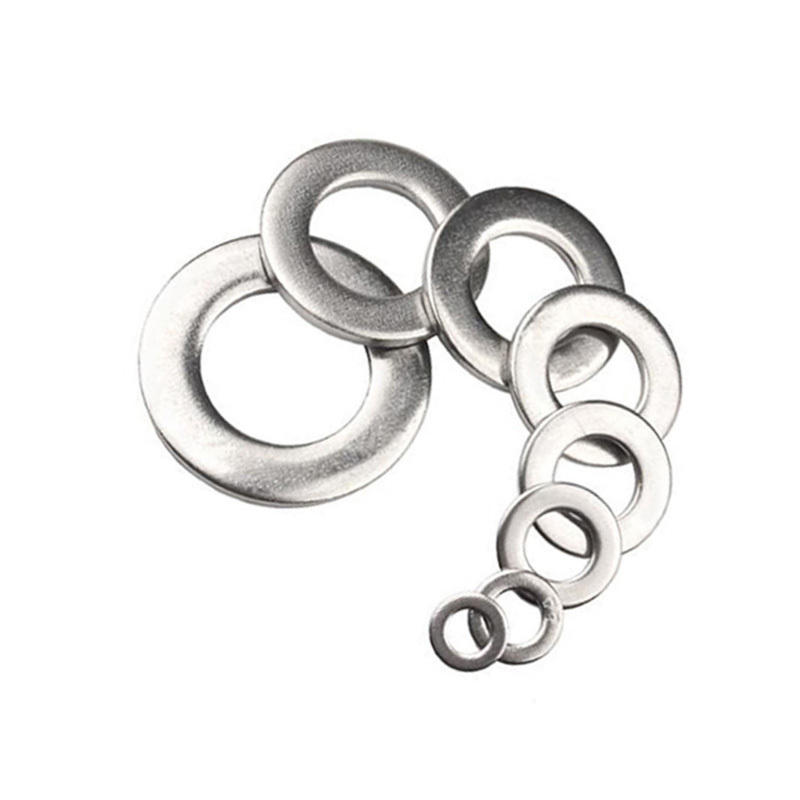
Why You Need Flat Washer DIN125 for Your Industrial Applications
Nov 12,2025
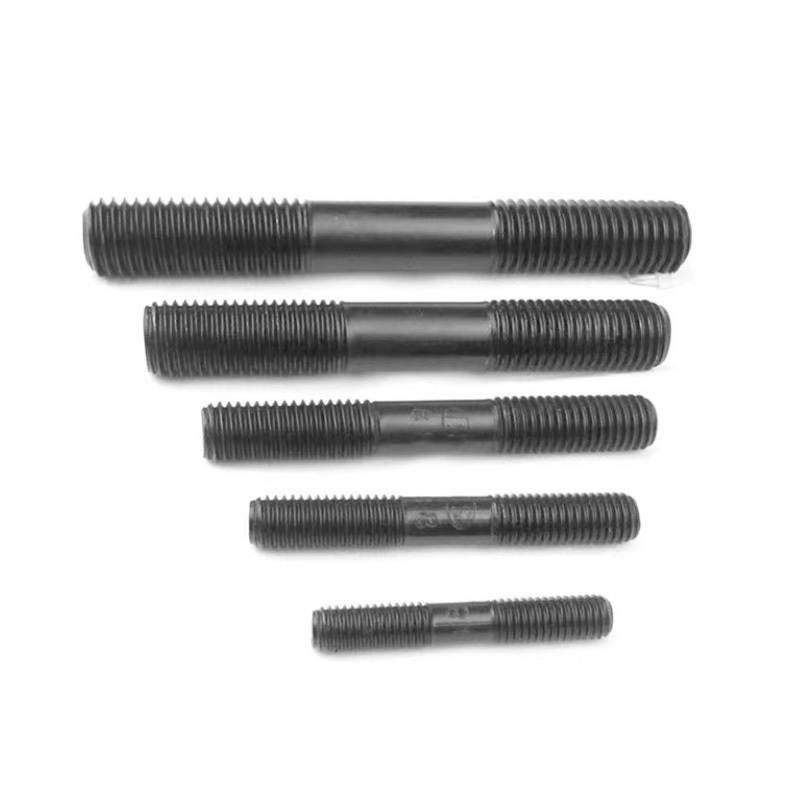
Understanding Stud Bolt DIN 938: A Comprehensive Guide for Industrial Applications
Nov 09,2025

Mainly produces bolts, nuts, washers, full threaded studs, anchor bolts, screws with DIN, BSW, ANIS, MS.


CONTACT US
Yongnian District, Handan City S318 Hebei Province rural credit Cooperative (Yuehua Road) southeast about 170 meters

Mobile website


