
How Shaft Rings Improve the Efficiency of Industrial Equipment
Aug 30,2023
1. Introduction to Shaft Rings
2. How Shaft Rings Work
3. The Importance of Shaft Rings in Industrial Equipment
4. Advantages of Using Shaft Rings
5. Common Types of Shaft Rings
6. Factors to Consider when Choosing Shaft Rings
7. Installation and Maintenance of Shaft Rings
8. Frequently Asked Questions (FAQs)
9. Conclusion
1. Introduction to Shaft Rings
Industrial equipment plays a crucial role in various sectors, including manufacturing, construction, and transportation. To ensure optimal performance and longevity of such equipment, the use of shaft rings has become increasingly popular. Shaft rings are innovative components designed to improve the efficiency and reliability of industrial machinery. In this article, we will explore how these rings work and the benefits they offer to industrial equipment.
2. How Shaft Rings Work
Shaft rings are circular, metal components that are installed on rotating shafts within industrial equipment. Their primary function is to provide support, reduce friction, and enhance the overall performance of the machinery. By reducing friction, shaft rings minimize wear and tear on the shaft, bearings, and other moving parts, ultimately extending the lifespan of the equipment.
These rings are typically made from high-quality materials such as stainless steel or carbon steel, ensuring durability and resistance to extreme operating conditions. They are precision-engineered to fit snugly on the shaft, creating a stable and secure connection.
3. The Importance of Shaft Rings in Industrial Equipment
The use of shaft rings in industrial equipment offers several significant advantages. Firstly, they help to minimize energy loss by reducing friction and heat generation during operation. This results in improved energy efficiency and lower operating costs for businesses.
Secondly, shaft rings enhance the overall reliability of industrial machinery. By reducing friction and wear, they prevent premature failure of crucial components, such as bearings and gears. This significantly reduces the risk of unexpected breakdowns and costly downtime.
4. Advantages of Using Shaft Rings
4.1 Increased Efficiency: Shaft rings play a vital role in improving the efficiency of industrial equipment. By reducing friction and heat generation, they minimize energy loss and optimize the performance of rotating shafts. This leads to increased productivity, reduced energy consumption, and improved overall efficiency of the machinery.
4.2 Extended Equipment Lifespan: The use of shaft rings helps to minimize wear and tear on critical components, such as bearings and gears. By reducing friction, they prevent premature failure and prolong the lifespan of the equipment. This translates to significant cost savings for businesses, as they can avoid frequent replacements and repairs.
4.3 Enhanced Performance: Shaft rings provide stability and support to rotating shafts, ensuring smooth and precise operation of industrial equipment. With reduced friction, the machinery can operate at higher speeds and handle heavier loads without compromising performance or safety.
4.4 Cost Savings: By improving energy efficiency and reducing the risk of equipment failure, shaft rings contribute to substantial cost savings for businesses. Lower energy consumption and decreased downtime result in reduced operating expenses and increased profitability.
5. Common Types of Shaft Rings
There are several types of shaft rings available in the market, each designed for specific applications and industrial equipment. Some common types include:
5.1 Retaining Rings: These are circular clips that fit into grooves on the shaft, providing axial retention and preventing lateral movement. Retaining rings are typically used in applications where axial movement needs to be controlled, such as automotive transmissions and pumps.
5.2 O-Rings: O-rings are elastomeric rings that create a seal between the shaft and housing, preventing the ingress of contaminants and fluids. They are commonly used in hydraulic and pneumatic systems, ensuring reliable and leak-free operation.
5.3 Thrust Rings: Thrust rings are installed between bearings and shafts to control axial movement and provide support. They are frequently used in applications with heavy axial loads, such as turbines and compressors.
6. Factors to Consider when Choosing Shaft Rings
When selecting shaft rings for industrial equipment, several factors should be taken into consideration:
6.1 Operating Conditions: Consider the temperature, pressure, and environmental conditions in which the equipment operates. Choose shaft rings that are suitable for these conditions to ensure optimal performance and longevity.
6.2 Shaft Size and Material: Take precise measurements of the shaft diameter and consider the material composition. Choose shaft rings that match the shaft size and are compatible with the material to achieve a secure and reliable connection.
6.3 Load Capacity: Determine the load capacity requirements of the equipment. Select shaft rings that can withstand the anticipated loads without deformation or failure.
6.4 Application Specifics: Consider the specific application and function of the industrial equipment. Different applications may require different types or configurations of shaft rings. Consult with experts or manufacturers to ensure the right selection.
7. Installation and Maintenance of Shaft Rings
Proper installation and maintenance of shaft rings are crucial for their effective performance and longevity. Follow these guidelines:
7.1 Installation: Clean the shaft and housing thoroughly before installing the shaft rings. Ensure that the rings are properly aligned and fit securely on the shaft. Use appropriate tools and techniques as recommended by the manufacturer.
7.2 Lubrication: Apply a suitable lubricant to the shaft rings during installation to reduce friction and enhance their performance. Regularly inspect and replenish the lubrication as needed.
7.3 Periodic Inspection: Regularly inspect the shaft rings for signs of wear or damage. Replace them if any abnormalities are detected to prevent equipment failure or inefficiency.
7.4 Cleaning: Keep the shaft rings clean and free from contaminants. Regularly remove any debris or buildup that may affect their performance.
8. Frequently Asked Questions (FAQs)
8.1 What are the benefits of using shaft rings in industrial equipment?
Shaft rings provide increased efficiency, extended equipment lifespan, enhanced performance, and cost savings for businesses.
8.2 Which type of shaft rings should I choose for my application?
The choice of shaft rings depends on factors such as the specific application, operating conditions, shaft size, and load capacity. Consult with experts or manufacturers to determine the most suitable type for your needs.
8.3 Can I install shaft rings myself, or should I seek professional assistance?
Proper installation of shaft rings is essential for their optimal performance. While some installations can be done by individuals with mechanical knowledge, it is recommended to seek professional assistance to ensure accurate installation and avoid any potential damage to the equipment.
8.4 How often should shaft rings be inspected and replaced?
Regular inspection of shaft rings is crucial to identify any signs of wear or damage. The frequency of inspection and replacement depends on the operating conditions and the manufacturer's recommendations. Consult the equipment manual or seek expert advice for specific guidelines.
8.5 Can shaft rings be reused after removal?
In some cases, shaft rings can be reused if they are in good condition and have not suffered any damage. However, it is recommended to consult with the manufacturer or an expert to ensure their suitability for reuse.
9. Conclusion
In conclusion, the use of shaft rings significantly improves the efficiency and performance of industrial equipment. These innovative components reduce friction, enhance stability, and extend the lifespan of critical machinery. By incorporating shaft rings into industrial processes, businesses can achieve increased productivity, reduced operating costs, and improved overall reliability. When selecting and installing shaft rings, it is essential to consider the specific requirements of the application and follow proper maintenance practices to ensure optimal performance and longevity.
shaft ring
RELEVANT INFORMATION

Understanding the Importance and Applications of Spring Washer DIN127 in Industrial Fastening
Nov 15,2025
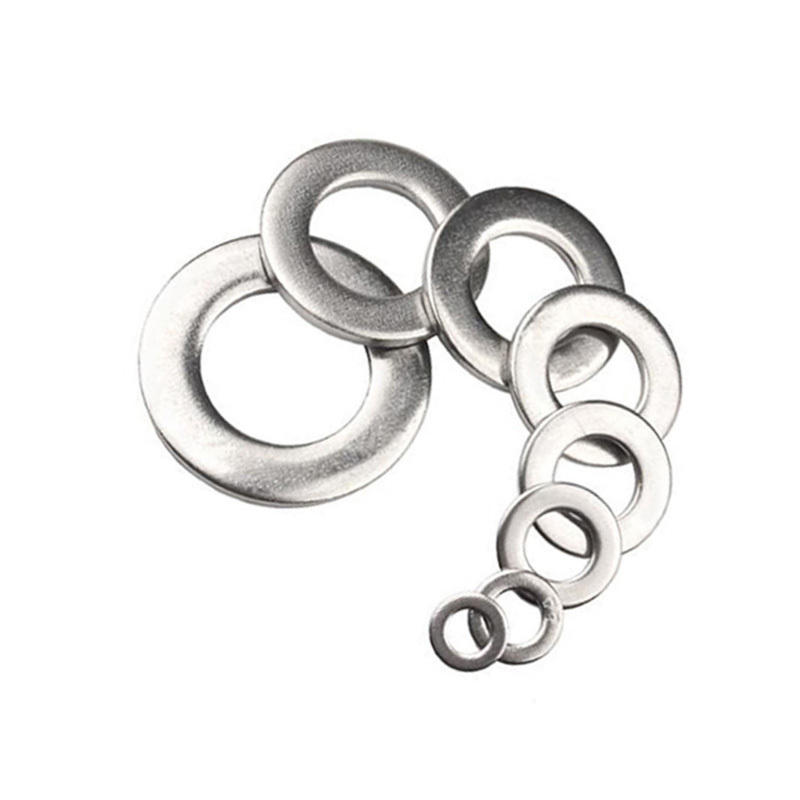
Why You Need Flat Washer DIN125 for Your Industrial Applications
Nov 12,2025
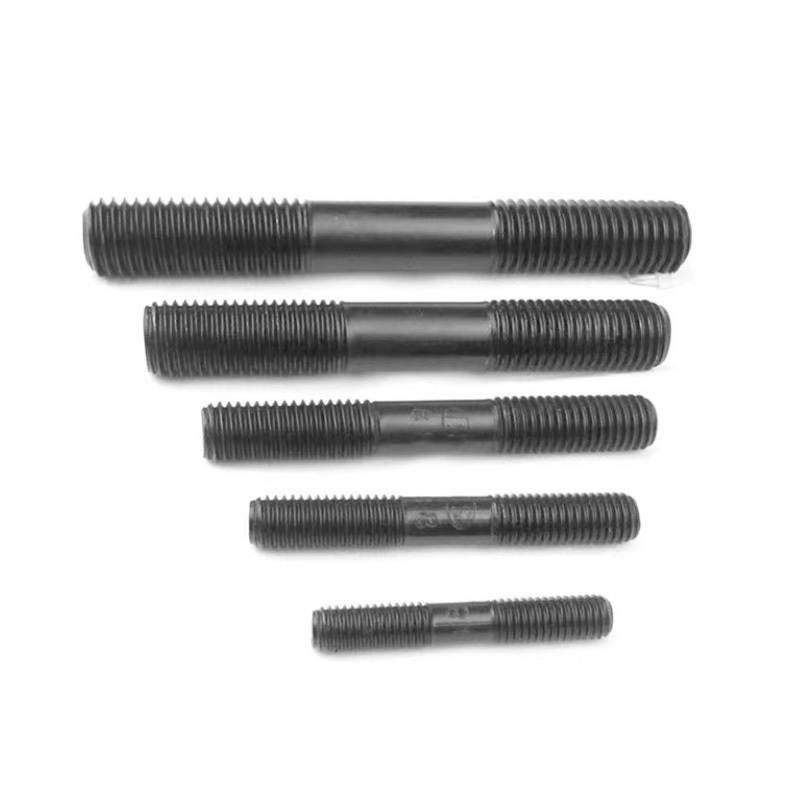
Understanding Stud Bolt DIN 938: A Comprehensive Guide for Industrial Applications
Nov 09,2025

Mainly produces bolts, nuts, washers, full threaded studs, anchor bolts, screws with DIN, BSW, ANIS, MS.


CONTACT US
Yongnian District, Handan City S318 Hebei Province rural credit Cooperative (Yuehua Road) southeast about 170 meters

Mobile website


