
Unlocking the Power of T-Bolts: A Comprehensive Guide for Industrial Fastening
May 16,2025
Unlocking the Power of T-Bolts: A Comprehensive Guide for Industrial Fastening
Table of Contents
- 1. Introduction to T-Bolts
- 2. What Are T-Bolts?
- 3. Benefits of Using T-Bolts in Industrial Fastening
- 4. Common Applications of T-Bolts
- 5. How to Choose the Right T-Bolts
- 6. Installation Techniques for T-Bolts
- 7. Troubleshooting Common T-Bolt Issues
- 8. Conclusion
- 9. Frequently Asked Questions
1. Introduction to T-Bolts
T-bolts are a vital component in the world of industrial fastening, serving as a reliable solution for securing various materials together. Their unique design allows for efficient assembly and disassembly, making them particularly valuable in environments where adjustments or replacements are necessary. In this guide, we will explore the intricacies of T-bolts, their benefits, applications, and best practices for selection and installation.
2. What Are T-Bolts?
T-bolts are named for their distinct shape, resembling the letter 'T'. They typically consist of a head that is wider than the shank and a long, threaded shaft. This design enables T-bolts to fit into a slot or groove on the material being fastened, allowing for smooth adjustment and a strong connection. T-bolts are generally made from high-strength materials such as steel or stainless steel, ensuring durability and resistance to corrosion.
Understanding the Components of T-Bolts
A typical T-bolt comprises the following components:
- **Head**: The upper part of the T-bolt, which provides a surface for tightening.
- **Shank**: The long section that extends down from the head, usually threaded for secure attachment.
- **Wings**: The protruding sides that allow the T-bolt to slide into the designated slot in the installation surface.
3. Benefits of Using T-Bolts in Industrial Fastening
T-bolts offer numerous advantages in industrial applications, including:
Enhanced Adjustability
The design of T-bolts allows them to slide within a groove, enabling quick adjustments without the need for complete disassembly. This feature is particularly useful in applications where frequent modifications are required.
Robust Strength and Stability
T-bolts provide a secure fastening solution due to their high tensile strength. This ensures that components remain tightly secured, even under stress or vibration.
Versatility in Application
T-bolts can be utilized in a variety of settings, including machinery, construction, and automotive industries. Their adaptability makes them suitable for diverse fastening tasks.
Reduced Installation Time
The ease of installation associated with T-bolts significantly reduces assembly time, which can lead to higher productivity levels in industrial settings.
4. Common Applications of T-Bolts
T-bolts are employed across various industries for multiple applications, including:
Machinery and Equipment Assembly
In industrial machinery, T-bolts are often used to secure components together, ensuring stability and reliability during operation.
Construction Industry
T-bolts are widely used in the construction sector for fastening steel structures, beams, and frames, providing essential support and integrity to buildings.
Automotive Applications
In the automotive industry, T-bolts can be found in engine mounts and chassis assemblies, where strength and durability are paramount.
Furniture and Racking Systems
T-bolts are commonly utilized in the assembly of modular furniture and racking systems, allowing for easy disassembly and reconfiguration.
5. How to Choose the Right T-Bolts
Selecting the appropriate T-bolts for your project involves several considerations:
Material Selection
Choose T-bolts made from materials that are suitable for your environment. For example, stainless steel T-bolts are ideal for corrosive environments, while carbon steel may suffice for less demanding applications.
Size and Thread Pitch
Ensure that the T-bolts’ dimensions and thread pitch match the requirements of your project. This includes the length of the shank and the diameter of the head.
Load Capacity
Assess the load requirements of your application. T-bolts come in various grades, each with a specific load rating. Select a grade that can withstand the expected loads safely.
6. Installation Techniques for T-Bolts
Proper installation is crucial for maximizing the effectiveness of T-bolts. Here are key techniques to follow:
Preparation of the Installation Surface
Before installation, ensure that the surface where the T-bolt will be anchored is clean and free of debris. This ensures a secure fit and reduces the risk of corrosion.
Aligning the T-Bolts
Insert the T-bolt into the groove or slot of the assembly. Ensure that it is properly aligned before tightening to avoid misalignment during operation.
Tightening Procedures
Use the appropriate tools, such as a torque wrench, to tighten the T-bolt securely. Follow the manufacturer’s guidelines for torque specifications to avoid over-tightening, which could damage the components.
Inspection After Installation
Once installed, conduct a visual inspection to ensure that all T-bolts are secure and properly positioned. It is wise to check the fittings periodically to maintain safety and integrity.
7. Troubleshooting Common T-Bolt Issues
Despite their reliability, T-bolts can encounter issues. Here are common problems and solutions:
Loosening Over Time
If T-bolts become loose, consider applying a thread-locking adhesive to enhance retention. Regular maintenance checks can also help identify and rectify loose fittings.
Corrosion and Wear
In corrosive environments, ensure that you select T-bolts with suitable coatings or materials. If corrosion is evident, replace damaged bolts promptly to prevent failure.
Misalignment During Installation
If misalignment occurs, disassemble the fitting and reposition the T-bolt. Double-check the alignment before re-tightening to prevent future problems.
8. Conclusion
T-bolts are an essential component in various industrial fastening applications, providing unmatched strength and versatility. Their unique design allows for easy adjustments and rapid installation, making them ideal for multiple settings, including machinery assembly, construction, and automotive applications. By choosing the right T-bolts and following proper installation techniques, you can unlock their full potential and enhance the efficiency of your projects.
9. Frequently Asked Questions
What is the primary use of T-bolts?
T-bolts are primarily used in industrial applications for fastening and securing components, allowing for easy adjustments and strong connections.
Can T-bolts be reused?
Yes, T-bolts can often be reused, provided they are not damaged and are still within the load specifications for your application.
How do I know if a T-bolt is the right size for my project?
Ensure that the dimensions, thread pitch, and load capacity of the T-bolt match the requirements of your assembly or application.
Are T-bolts resistant to corrosion?
T-bolts can be made from materials that offer varying levels of corrosion resistance. Stainless steel T-bolts are often recommended for corrosive environments.
What tools are required for installing T-bolts?
Basic tools include a wrench or torque wrench for tightening, as well as any additional tools needed for preparing the installation surface.
This comprehensive guide aims to equip you with the knowledge necessary to effectively utilize T-bolts in your fastening applications, ensuring durability and performance in your projects.
T-Bolts
RELEVANT INFORMATION

Understanding the Importance and Applications of Spring Washer DIN127 in Industrial Fastening
Nov 15,2025
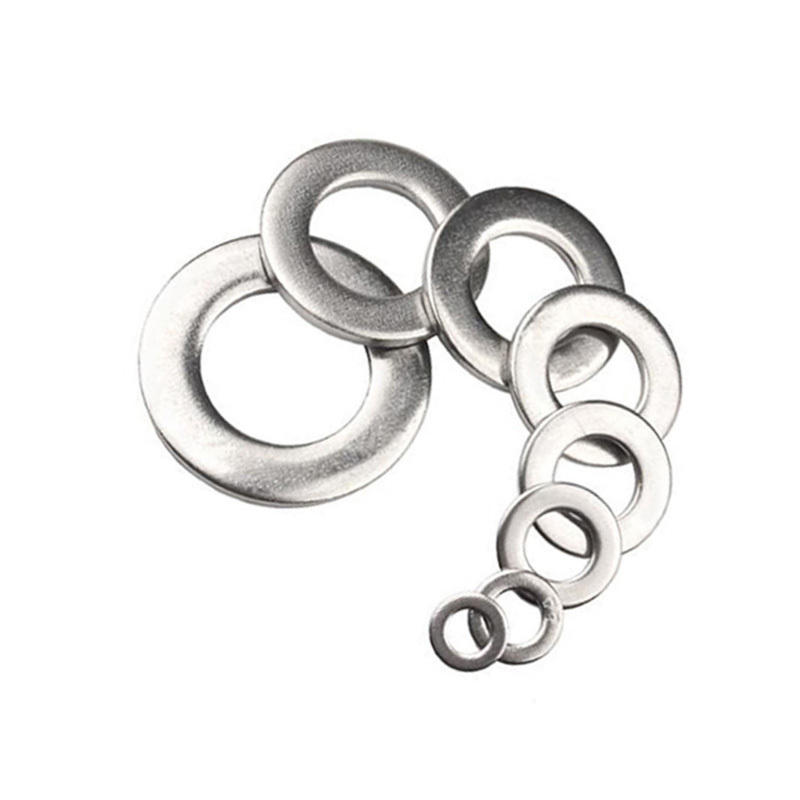
Why You Need Flat Washer DIN125 for Your Industrial Applications
Nov 12,2025
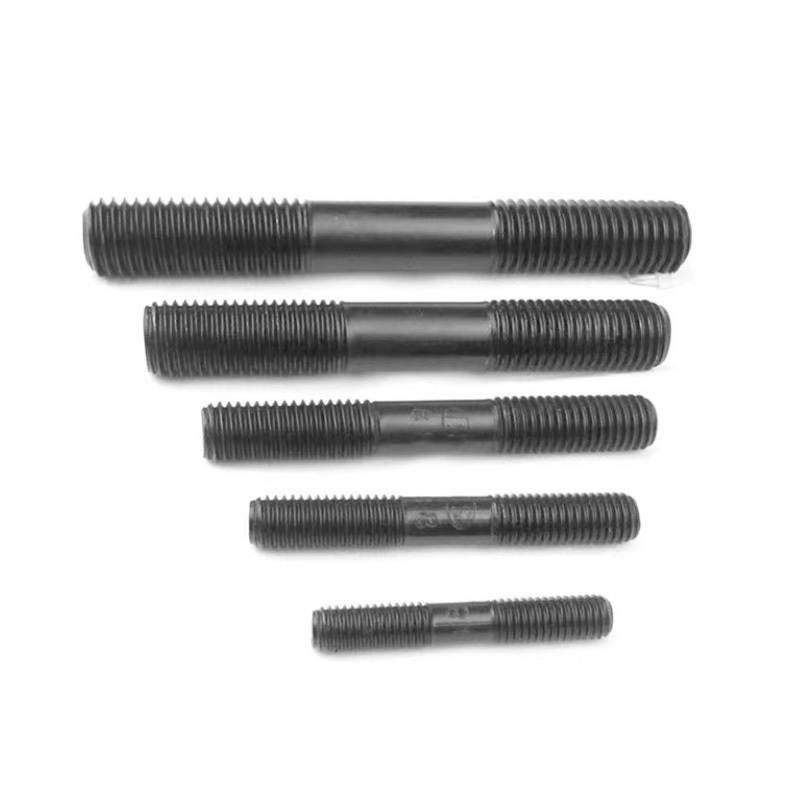
Understanding Stud Bolt DIN 938: A Comprehensive Guide for Industrial Applications
Nov 09,2025

Mainly produces bolts, nuts, washers, full threaded studs, anchor bolts, screws with DIN, BSW, ANIS, MS.


CONTACT US
Yongnian District, Handan City S318 Hebei Province rural credit Cooperative (Yuehua Road) southeast about 170 meters

Mobile website


