Understanding U Bolts: Essential Components in Industrial Applications
May 13,2025
U bolts are specialized fasteners widely used in industrial applications due to their unique shape and functionality. Characterized by their "U" shape, these bolts typically consist of a straight threaded rod bent into a U configuration, allowing them to secure objects together in a stable manner. Their design allows for a variety of applications, making them a crucial component in sectors such as
U bolts are specialized fasteners widely used in industrial applications due to their unique shape and functionality. Characterized by their "U" shape, these bolts typically consist of a straight threaded rod bent into a U configuration, allowing them to secure objects together in a stable manner. Their design allows for a variety of applications, making them a crucial component in sectors such as construction, automotive, and manufacturing.
One of the primary functions of U bolts is to support and stabilize pipes, beams, or other structures. When installed correctly, they can distribute weight evenly across the surface they are affixed to, minimizing the risk of structural failure. This makes U bolts particularly valuable in scenarios where safety and durability are paramount, such as in construction sites or heavy machinery applications.
In addition to their strength, U bolts are versatile in terms of size and material. They can be made from various metals, including stainless steel, carbon steel, or galvanized steel, allowing for customization based on the specific requirements of the environment in which they will be used. For instance, stainless steel U bolts are preferred in corrosive environments due to their resistance to rust and deterioration, while carbon steel U bolts may be used in more controlled settings.
When selecting U bolts for a project, it is imperative to consider factors such as load capacity, environmental conditions, and the specific application. The correct sizing is crucial, as a U bolt that is too large or too small can lead to inadequate fastening and compromise the integrity of the assembly. Therefore, it's recommended to refer to industry standards or consult with a professional to ensure you choose the right U bolt for your needs.
Moreover, installation practices significantly impact the performance of U bolts. Proper torque and alignment upon installation can enhance their effectiveness, ensuring that they securely hold components without risking loosening over time. Regular inspections and maintenance are also advisable to assess any potential wear or fatigue, which can help in prolonging the lifespan of the fasteners and the overall structure they support.
In conclusion, U bolts are indispensable elements in the realm of industrial fastening solutions. Their unique design, material versatility, and wide range of applications make them a go-to choice for enhancing structural integrity in various settings. By understanding their characteristics and proper usage, you can ensure that your projects maintain the highest standards of safety and performance.
One of the primary functions of U bolts is to support and stabilize pipes, beams, or other structures. When installed correctly, they can distribute weight evenly across the surface they are affixed to, minimizing the risk of structural failure. This makes U bolts particularly valuable in scenarios where safety and durability are paramount, such as in construction sites or heavy machinery applications.
In addition to their strength, U bolts are versatile in terms of size and material. They can be made from various metals, including stainless steel, carbon steel, or galvanized steel, allowing for customization based on the specific requirements of the environment in which they will be used. For instance, stainless steel U bolts are preferred in corrosive environments due to their resistance to rust and deterioration, while carbon steel U bolts may be used in more controlled settings.
When selecting U bolts for a project, it is imperative to consider factors such as load capacity, environmental conditions, and the specific application. The correct sizing is crucial, as a U bolt that is too large or too small can lead to inadequate fastening and compromise the integrity of the assembly. Therefore, it's recommended to refer to industry standards or consult with a professional to ensure you choose the right U bolt for your needs.
Moreover, installation practices significantly impact the performance of U bolts. Proper torque and alignment upon installation can enhance their effectiveness, ensuring that they securely hold components without risking loosening over time. Regular inspections and maintenance are also advisable to assess any potential wear or fatigue, which can help in prolonging the lifespan of the fasteners and the overall structure they support.
In conclusion, U bolts are indispensable elements in the realm of industrial fastening solutions. Their unique design, material versatility, and wide range of applications make them a go-to choice for enhancing structural integrity in various settings. By understanding their characteristics and proper usage, you can ensure that your projects maintain the highest standards of safety and performance.
U Bolts
RELEVANT INFORMATION
Understanding the Importance and Applications of Spring Washer DIN127 in Industrial Fastening
In the industrial equipment and components sector, the Spring Washer DIN127 stands out as a crucial fastening element. Its distinctive design serves to maintain tension and prevent loosening of screws and bolts under various conditions. This article explores the characteristics and applications of the Spring Washer DIN127, providing valuable insights for professionals in the field.
The Spring Wash
Nov 15,2025
Why You Need Flat Washer DIN125 for Your Industrial Applications
Introduction: Understanding Flat Washers in Industrial Applications
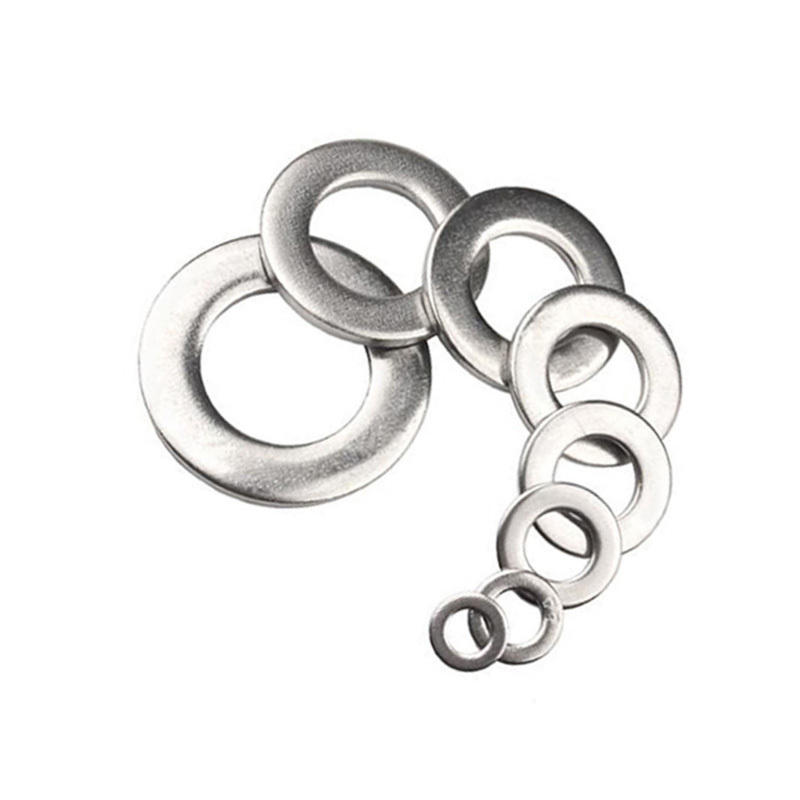
In the realm of industrial equipment and components, the importance of effective fastening cannot be overstated. Among the myriad of fastening solutions available, **Flat Washer DIN125** stands out as a crucial component that enhances the reliability and performanc
Nov 12,2025
Understanding Stud Bolt DIN 938: A Comprehensive Guide for Industrial Applications
---
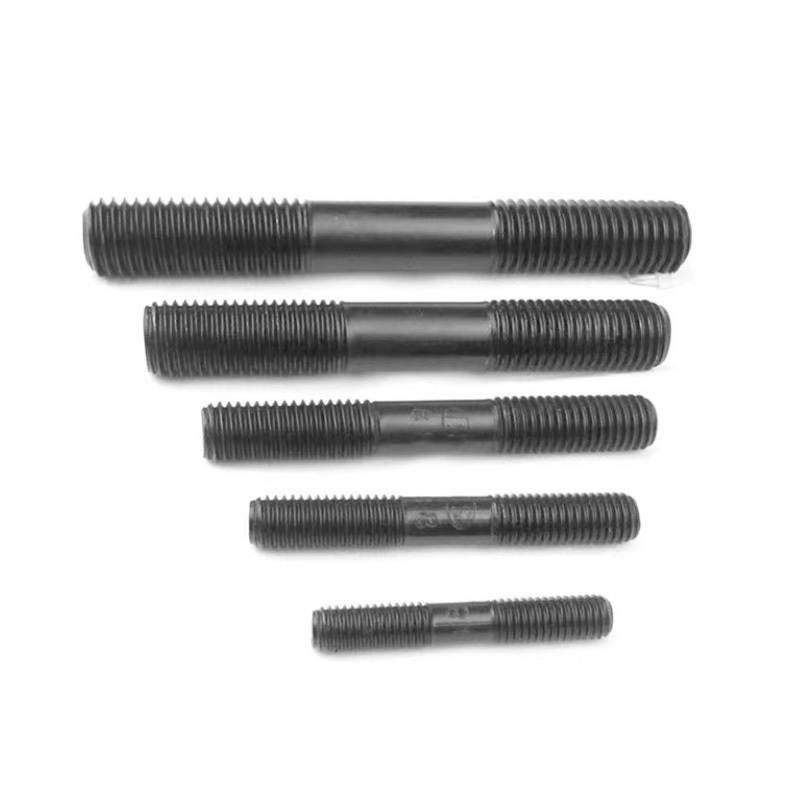
Stud Bolts are essential components in various industrial applications, and the DIN 938 specification outlines specific standards for these fasteners. A Stud Bolt is essentially a long bolt with no head, featuring threads on both ends. It is used in conjunction with nuts to create a secure joint between two or more parts. The DIN 938 standard specifies dimensions, mechanical properties, and to
Nov 09,2025