Understanding Set Screws: Essential Knowledge for Industrial Fastening Solutions
Feb 13,2025
Set screws are an integral component in various industrial applications, particularly in the realm of fastening and connecting mechanisms. Unlike traditional screws, set screws are designed to secure one object within another without the need for a nut, making them ideal for applications where a flush surface is necessary. This article delves into the significance of set screws, their types, appli
Set screws are an integral component in various industrial applications, particularly in the realm of fastening and connecting mechanisms. Unlike traditional screws, set screws are designed to secure one object within another without the need for a nut, making them ideal for applications where a flush surface is necessary. This article delves into the significance of set screws, their types, applications, and best practices for selection and installation.
A set screw, often referred to as a grub screw, is typically a cylindrical fastener with no external head. Instead, it features a drive mechanism at one end, allowing for tightening with a tool. The most common drive types for set screws include hexagonal, slotted, and square. This design enables set screws to lock parts in place, such as securing a pulley onto a shaft or fastening a knob onto a spindle.
When selecting a set screw, several factors should be considered. Material is paramount; stainless steel is a popular choice due to its corrosion resistance, while carbon steel offers strength and durability. Additionally, the choice of coating can enhance performance in specific environments. For instance, zinc plating can provide extra corrosion resistance, making it suitable for outdoor applications.
The length and diameter of the set screw should also match the requirements of the application. Too long a screw may damage the internal components, while a too-short screw may not provide adequate holding power. Therefore, understanding the specifications of both the components being fastened and the loading conditions is vital for effective use.
Set screws come in various designs, including flat point, cone point, and cup point, each serving a unique purpose. Flat points provide a larger surface area for enhanced grip, making them ideal for softer materials. Cone points penetrate the material, ensuring a tighter grip, while cup points are used in applications where the screw needs to be recessed.
Proper installation techniques can significantly impact performance. It is crucial to ensure that the set screw is tightened to the manufacturer's specifications to prevent loosening due to vibration or dynamic loads. Using thread-locking compounds can further enhance the holding strength of set screws in applications subjected to movement.
In conclusion, set screws are indispensable in the industrial fastening arena, offering a secure method for locking components in place. By understanding their types, materials, and proper installation techniques, professionals can make informed decisions that enhance the durability and functionality of their machinery and equipment. Whether in manufacturing, automotive, or any other industrial field, mastering the use of set screws will ensure optimal performance and longevity of the connected systems.
A set screw, often referred to as a grub screw, is typically a cylindrical fastener with no external head. Instead, it features a drive mechanism at one end, allowing for tightening with a tool. The most common drive types for set screws include hexagonal, slotted, and square. This design enables set screws to lock parts in place, such as securing a pulley onto a shaft or fastening a knob onto a spindle.
When selecting a set screw, several factors should be considered. Material is paramount; stainless steel is a popular choice due to its corrosion resistance, while carbon steel offers strength and durability. Additionally, the choice of coating can enhance performance in specific environments. For instance, zinc plating can provide extra corrosion resistance, making it suitable for outdoor applications.
The length and diameter of the set screw should also match the requirements of the application. Too long a screw may damage the internal components, while a too-short screw may not provide adequate holding power. Therefore, understanding the specifications of both the components being fastened and the loading conditions is vital for effective use.
Set screws come in various designs, including flat point, cone point, and cup point, each serving a unique purpose. Flat points provide a larger surface area for enhanced grip, making them ideal for softer materials. Cone points penetrate the material, ensuring a tighter grip, while cup points are used in applications where the screw needs to be recessed.
Proper installation techniques can significantly impact performance. It is crucial to ensure that the set screw is tightened to the manufacturer's specifications to prevent loosening due to vibration or dynamic loads. Using thread-locking compounds can further enhance the holding strength of set screws in applications subjected to movement.
In conclusion, set screws are indispensable in the industrial fastening arena, offering a secure method for locking components in place. By understanding their types, materials, and proper installation techniques, professionals can make informed decisions that enhance the durability and functionality of their machinery and equipment. Whether in manufacturing, automotive, or any other industrial field, mastering the use of set screws will ensure optimal performance and longevity of the connected systems.
Set Screw
RELEVANT INFORMATION
Understanding the Importance and Applications of Spring Washer DIN127 in Industrial Fastening
In the industrial equipment and components sector, the Spring Washer DIN127 stands out as a crucial fastening element. Its distinctive design serves to maintain tension and prevent loosening of screws and bolts under various conditions. This article explores the characteristics and applications of the Spring Washer DIN127, providing valuable insights for professionals in the field.
The Spring Wash
Nov 15,2025
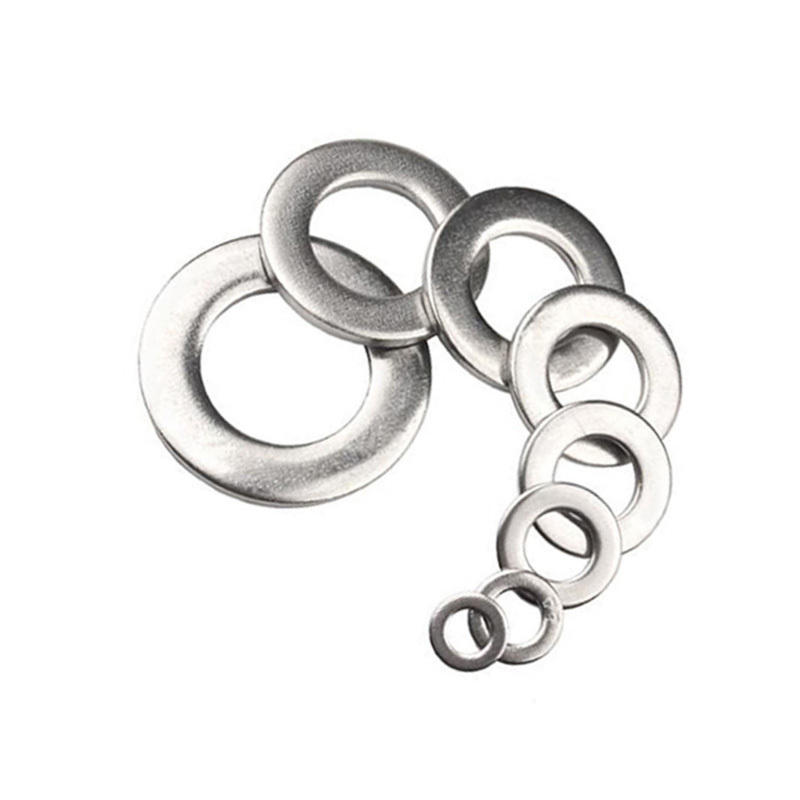
Why You Need Flat Washer DIN125 for Your Industrial Applications
Introduction: Understanding Flat Washers in Industrial Applications
In the realm of industrial equipment and components, the importance of effective fastening cannot be overstated. Among the myriad of fastening solutions available, **Flat Washer DIN125** stands out as a crucial component that enhances the reliability and performanc
Nov 12,2025
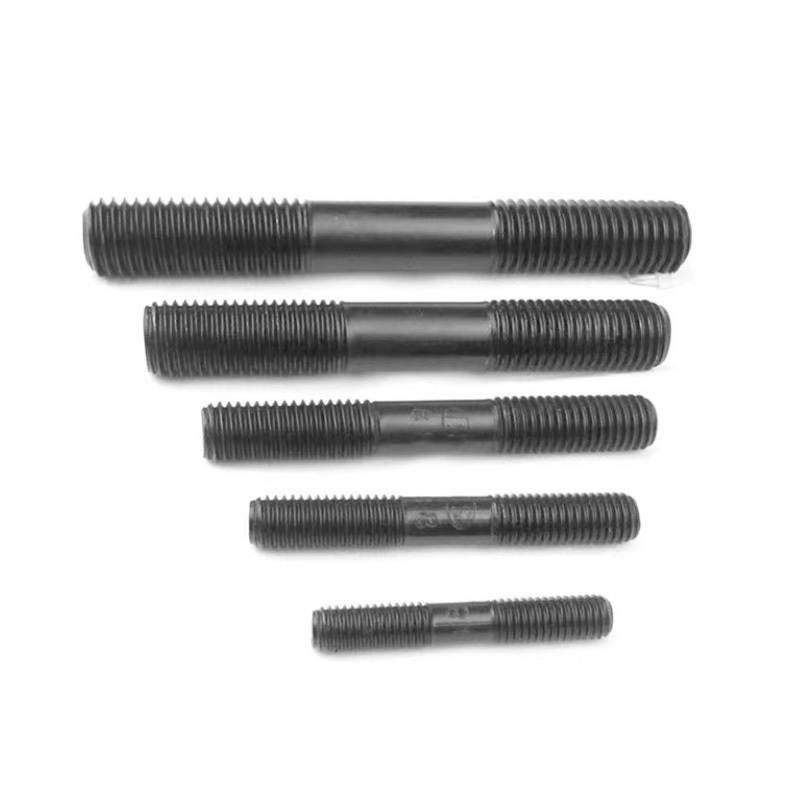
Understanding Stud Bolt DIN 938: A Comprehensive Guide for Industrial Applications
---
Stud Bolts are essential components in various industrial applications, and the DIN 938 specification outlines specific standards for these fasteners. A Stud Bolt is essentially a long bolt with no head, featuring threads on both ends. It is used in conjunction with nuts to create a secure joint between two or more parts. The DIN 938 standard specifies dimensions, mechanical properties, and to
Nov 09,2025