
Understanding the Critical Role of Eye Bolts in Industrial Applications
Feb 10,2025
Understanding the Critical Role of Eye Bolts in Industrial Applications
Table of Contents
1. Introduction to Eye Bolts
2. Types of Eye Bolts
3. Applications of Eye Bolts in Various Industries
3.1 Construction Industry
3.2 Marine and Shipping Industry
3.3 Manufacturing and Warehousing
4. Key Benefits of Using Eye Bolts
5. Best Practices for Eye Bolt Usage
5.1 Installation Guidelines
5.2 Safety Precautions
6. Frequently Asked Questions (FAQs)
7. Conclusion
1. Introduction to Eye Bolts
Eye bolts are essential fasteners commonly used in a variety of industrial applications. They consist of a bolt with a looped head, which allows for the attachment of ropes, cables, or other lifting equipment. The versatility of eye bolts makes them invaluable in settings where secure lifting and anchoring solutions are required. Understanding the significance of eye bolts is crucial for professionals in industries such as construction, manufacturing, and marine operations.
2. Types of Eye Bolts
Eye bolts come in various designs and materials, each suited for specific applications. The two main types include:
- **Shoulder Eye Bolts**: These bolts feature a shoulder that provides added strength and stability, making them ideal for heavy lifting applications. They are often used in hoisting and rigging.
- **Regular Eye Bolts**: These bolts lack the shoulder and are typically used for lighter loads. They are suitable for anchoring and securing items but may not be ideal for heavy lifting due to their design.
The choice of eye bolt type depends on the load requirements and the environment in which they will be used, ensuring optimal safety and efficiency.
3. Applications of Eye Bolts in Various Industries
Eye bolts serve numerous functions across different sectors. Here, we explore their applications in three significant industries.
3.1 Construction Industry
In the construction industry, eye bolts are commonly used for lifting and securing heavy materials, such as beams and scaffolding. They provide a safe point for rigging and hoisting equipment, allowing workers to move materials efficiently. The reliability of eye bolts in this environment is vital for ensuring the safety of construction crews.
3.2 Marine and Shipping Industry
The marine and shipping industry extensively utilizes eye bolts for mooring and anchoring vessels. These fasteners enable secure attachment points for ropes and chains, ensuring that ships remain stable in various weather conditions. The durability of eye bolts in marine environments, often made from corrosion-resistant materials, enhances safety during loading and unloading operations.
3.3 Manufacturing and Warehousing
In manufacturing and warehousing, eye bolts facilitate the movement of goods through lifting and rigging systems. They are commonly used in assembly lines, where heavy components must be moved efficiently. Eye bolts provide reliable attachment points for cranes and hoists, improving workflow and productivity.
4. Key Benefits of Using Eye Bolts
Utilizing eye bolts in industrial applications offers several advantages:
- **Versatility**: Eye bolts can be employed across various industries and for different applications, from lifting to anchoring.
- **Safety**: These fasteners are designed to securely hold loads, minimizing the risk of accidents during lifting operations.
- **Durability**: Many eye bolts are made from high-strength materials, ensuring they can withstand the rigors of industrial environments.
- **Ease of Use**: Eye bolts are straightforward to install and remove, allowing for quick adjustments in dynamic work settings.
By understanding these benefits, industries can make informed decisions regarding their lifting and anchoring solutions.
5. Best Practices for Eye Bolt Usage
To maximize the safety and effectiveness of eye bolts, adhering to best practices is essential.
5.1 Installation Guidelines
When installing eye bolts, consider the following guidelines:
- **Select the Right Size**: Ensuring that the eye bolt is appropriately sized for the load it will bear is crucial for safety.
- **Follow Manufacturer Instructions**: Adhering to the manufacturer's recommendations for installation techniques will enhance the eye bolt's performance.
- **Check the Load Capacity**: Always verify that the eye bolt's load capacity aligns with the anticipated weight to prevent failure.
5.2 Safety Precautions
Implementing safety precautions when using eye bolts can prevent accidents:
- **Inspect Regularly**: Regularly inspect eye bolts for signs of wear, corrosion, or damage. Replace any compromised bolts immediately.
- **Avoid Overloading**: Never exceed the recommended load limits of eye bolts, as this can lead to structural failure.
- **Use Proper Lifting Techniques**: Ensure that lifting techniques are appropriate for the load and that all personnel involved are trained in safe lifting practices.
By following these best practices, industries can ensure the safe and effective use of eye bolts in their operations.
6. Frequently Asked Questions (FAQs)
1. **What is the load capacity of an eye bolt?**
The load capacity of an eye bolt varies depending on its size and material. Always refer to the manufacturer's specifications to determine the appropriate load limits.
2. **Can eye bolts be used for lifting?**
Yes, eye bolts are specifically designed for lifting applications and can provide secure attachment points for cranes, hoists, and other lifting equipment.
3. **How do I know if an eye bolt is safe to use?**
Regular inspections for signs of wear, corrosion, and damage are essential. Additionally, ensure that the eye bolt is appropriately sized and rated for the intended load.
4. **What materials are eye bolts made from?**
Eye bolts can be made from various materials, including steel, stainless steel, and alloy materials, each providing different levels of strength and corrosion resistance.
5. **Are there specific regulations for using eye bolts in industrial settings?**
Yes, various industry standards and regulations exist concerning the use of eye bolts in lifting and rigging applications. It is important to familiarize yourself with these guidelines to ensure compliance and safety.
7. Conclusion
Eye bolts play a vital role in enhancing safety, efficiency, and versatility in industrial applications. By understanding their types, benefits, and best practices for use, industries can maximize the effectiveness of these essential fasteners. As we continue to explore innovations in industrial equipment and components, eye bolts remain a reliable choice for securing and lifting loads across diverse sectors. Investing in quality eye bolts and adhering to safety guidelines ensures that operations run smoothly and efficiently, contributing to the overall success of industrial projects.
Eye Bolts
RELEVANT INFORMATION

Understanding the Importance and Applications of Spring Washer DIN127 in Industrial Fastening
Nov 15,2025
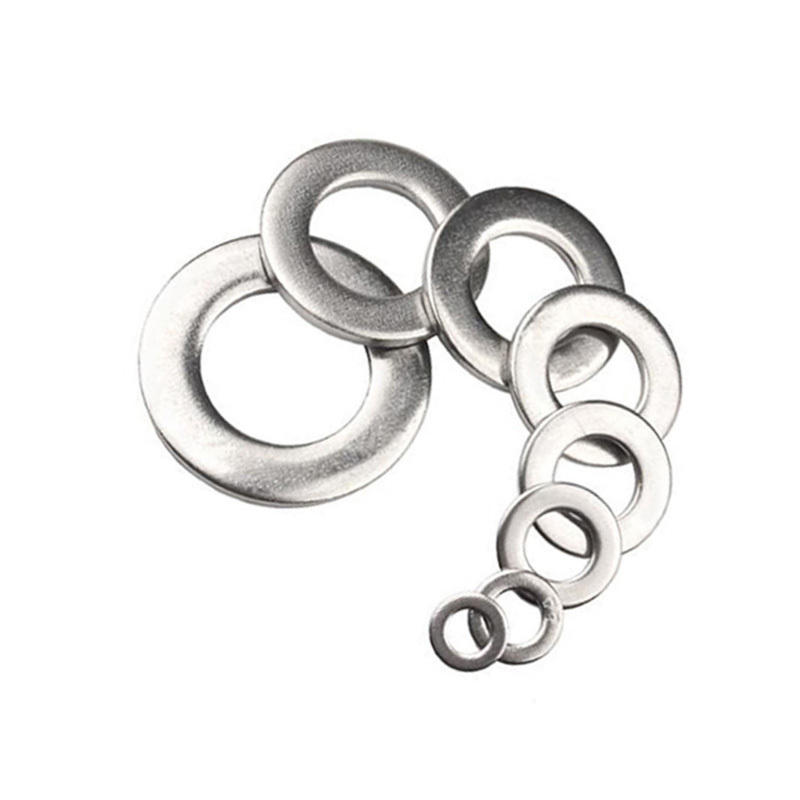
Why You Need Flat Washer DIN125 for Your Industrial Applications
Nov 12,2025
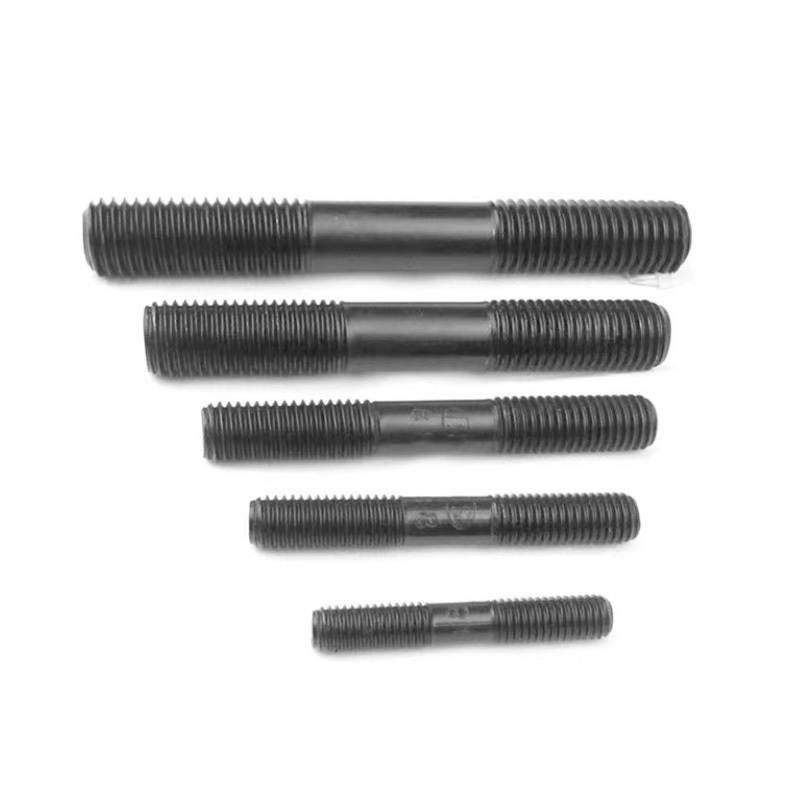
Understanding Stud Bolt DIN 938: A Comprehensive Guide for Industrial Applications
Nov 09,2025

Mainly produces bolts, nuts, washers, full threaded studs, anchor bolts, screws with DIN, BSW, ANIS, MS.


CONTACT US
Yongnian District, Handan City S318 Hebei Province rural credit Cooperative (Yuehua Road) southeast about 170 meters

Mobile website


