Understanding Spring Washers: A Deep Dive into DIN 127
Sep 21,2024
Spring washers, particularly the DIN 127 variant, are essential components in the realm of industrial equipment and fasteners. These specialized washers are designed to provide a secure fit in various applications, ensuring that bolts and screws maintain their integrity under pressure. Understanding the significance and functionality of Spring Washers DIN 127 can greatly enhance the performance an
Spring washers, particularly the DIN 127 variant, are essential components in the realm of industrial equipment and fasteners. These specialized washers are designed to provide a secure fit in various applications, ensuring that bolts and screws maintain their integrity under pressure. Understanding the significance and functionality of Spring Washers DIN 127 can greatly enhance the performance and reliability of machinery and structural assemblies.
The primary purpose of Spring Washers is to absorb shock and vibration, which can lead to loosening of fasteners over time. When installed, a Spring Washer exerts a spring force that maintains tension on the bolt or screw, counteracting the effects of external forces that may otherwise cause it to loosen. This feature is particularly advantageous in applications subjected to dynamic loads, such as automotive and heavy machinery.
DIN 127 specifies the dimensions and tolerances for Spring Washers, ensuring consistency and reliability. These washers are typically made from high-quality materials such as steel, stainless steel, or other corrosion-resistant substances, making them suitable for various environmental conditions. Their design includes a conical shape that allows for maximum flexibility, which is essential for absorbing shocks and vibrations effectively.
One of the most notable benefits of using Spring Washers DIN 127 is the reduction of maintenance needs. By preventing bolt loosening, these washers can prolong the lifespan of the entire assembly, reducing the frequency of inspections and the potential costs associated with repairs. This not only saves time but also enhances the overall safety of the equipment.
When it comes to installation, Spring Washers should always be placed under the fastening element, such as a nut or bolt head. It's important to ensure that the washer is properly seated and that the assembly is tightened to the manufacturer’s specifications. It's also advisable to regularly check the condition of the Spring Washers, as fatigue can occur over time, particularly in high-stress environments.
In conclusion, Spring Washers DIN 127 play a vital role in the industrial sector by providing a reliable solution for preventing fasteners from loosening. Their unique design and functionality make them an indispensable part of many assemblies. By understanding their importance and following best practices for installation and maintenance, users can significantly improve the performance and longevity of their equipment. Whether you are a seasoned professional or new to the field of industrial fasteners, recognizing the value of Spring Washers can lead to better outcomes in your projects.
The primary purpose of Spring Washers is to absorb shock and vibration, which can lead to loosening of fasteners over time. When installed, a Spring Washer exerts a spring force that maintains tension on the bolt or screw, counteracting the effects of external forces that may otherwise cause it to loosen. This feature is particularly advantageous in applications subjected to dynamic loads, such as automotive and heavy machinery.
DIN 127 specifies the dimensions and tolerances for Spring Washers, ensuring consistency and reliability. These washers are typically made from high-quality materials such as steel, stainless steel, or other corrosion-resistant substances, making them suitable for various environmental conditions. Their design includes a conical shape that allows for maximum flexibility, which is essential for absorbing shocks and vibrations effectively.
One of the most notable benefits of using Spring Washers DIN 127 is the reduction of maintenance needs. By preventing bolt loosening, these washers can prolong the lifespan of the entire assembly, reducing the frequency of inspections and the potential costs associated with repairs. This not only saves time but also enhances the overall safety of the equipment.
When it comes to installation, Spring Washers should always be placed under the fastening element, such as a nut or bolt head. It's important to ensure that the washer is properly seated and that the assembly is tightened to the manufacturer’s specifications. It's also advisable to regularly check the condition of the Spring Washers, as fatigue can occur over time, particularly in high-stress environments.
In conclusion, Spring Washers DIN 127 play a vital role in the industrial sector by providing a reliable solution for preventing fasteners from loosening. Their unique design and functionality make them an indispensable part of many assemblies. By understanding their importance and following best practices for installation and maintenance, users can significantly improve the performance and longevity of their equipment. Whether you are a seasoned professional or new to the field of industrial fasteners, recognizing the value of Spring Washers can lead to better outcomes in your projects.
Spring Washer DIN127
RELEVANT INFORMATION
Understanding the Importance and Applications of Spring Washer DIN127 in Industrial Fastening
In the industrial equipment and components sector, the Spring Washer DIN127 stands out as a crucial fastening element. Its distinctive design serves to maintain tension and prevent loosening of screws and bolts under various conditions. This article explores the characteristics and applications of the Spring Washer DIN127, providing valuable insights for professionals in the field.
The Spring Wash
Nov 15,2025
Why You Need Flat Washer DIN125 for Your Industrial Applications
Introduction: Understanding Flat Washers in Industrial Applications
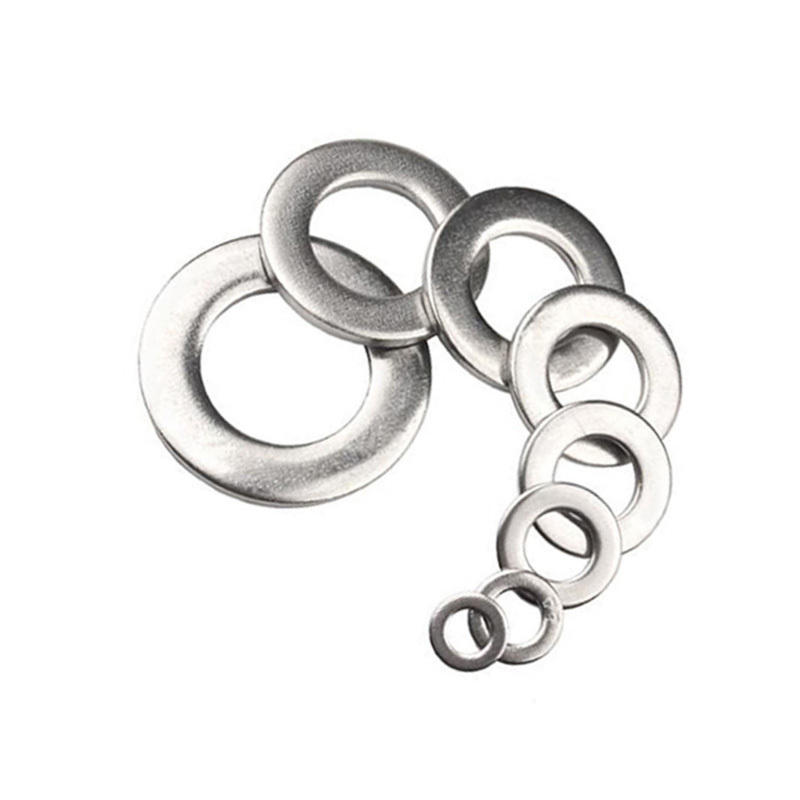
In the realm of industrial equipment and components, the importance of effective fastening cannot be overstated. Among the myriad of fastening solutions available, **Flat Washer DIN125** stands out as a crucial component that enhances the reliability and performanc
Nov 12,2025
Understanding Stud Bolt DIN 938: A Comprehensive Guide for Industrial Applications
---
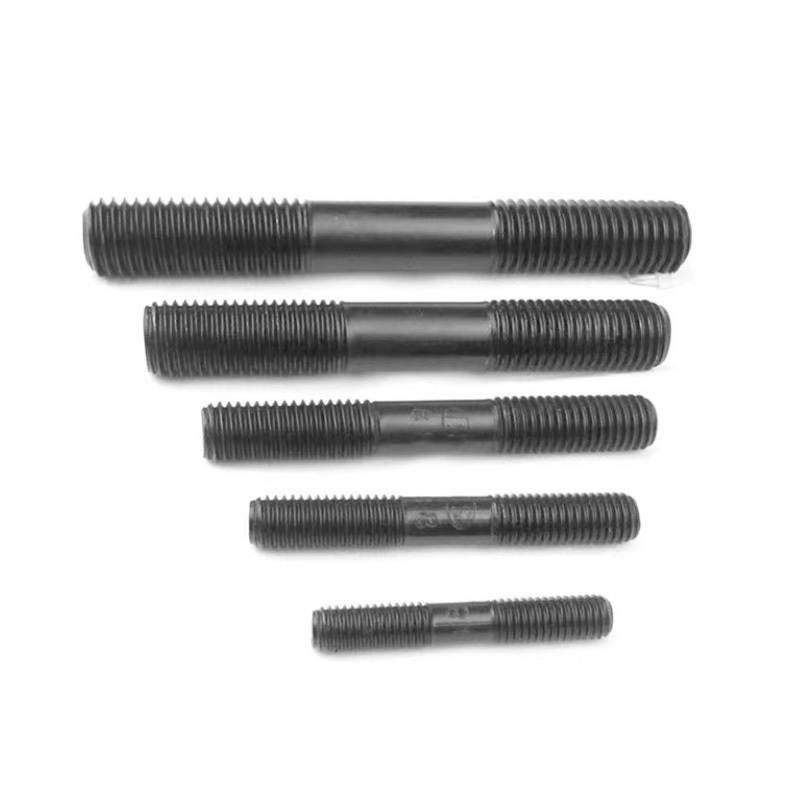
Stud Bolts are essential components in various industrial applications, and the DIN 938 specification outlines specific standards for these fasteners. A Stud Bolt is essentially a long bolt with no head, featuring threads on both ends. It is used in conjunction with nuts to create a secure joint between two or more parts. The DIN 938 standard specifies dimensions, mechanical properties, and to
Nov 09,2025