
Why Choose Stud Bolt DIN938 for Your Fastening Needs?
Sep 19,2024
Why Choose Stud Bolt DIN938 for Your Fastening Needs?
Understanding Stud Bolt DIN938
Stud bolts play a critical role in creating robust connections in various industrial applications. The **DIN938 stud bolt**, specifically, is designed to offer high performance under extreme conditions. Made from high-quality materials, these fasteners excel in situations where conventional bolts may fail.
What Sets DIN938 Apart?
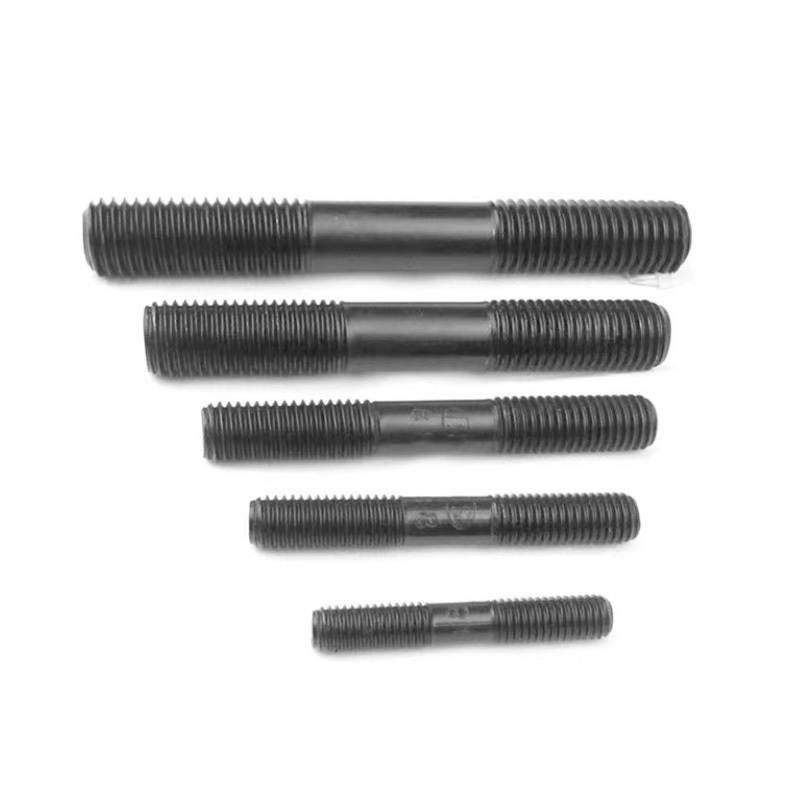
The DIN938 stud bolt is engineered to provide unparalleled strength and durability. Its unique design, characterized by a double-ended threaded configuration, enables it to accommodate a wide range of nuts and fittings, making it a versatile option for many industries. Unlike standard bolts, DIN938 models come in various grades, materials, and surface finishes, ensuring you can find the perfect match for your specific application.
Key Benefits of Using Stud Bolt DIN938
When it comes to fastening solutions, Stud Bolt DIN938 offers numerous advantages that make it a popular choice in industrial settings.
1. High Strength and Load-Bearing Capacity
One of the primary reasons to choose Stud Bolt DIN938 is its **exceptional strength**. These bolts are designed to withstand high loads, making them ideal for heavy-duty applications. The quality of materials used in their production ensures they can endure significant stress without deforming or breaking.
2. Corrosion Resistance
In environments prone to moisture or chemical exposure, corrosion resistance is paramount. Stud Bolt DIN938 can be made from various materials, including stainless steel, which offers excellent resistance to rust and other forms of corrosion. This feature significantly extends the lifespan of the fasteners, reducing the need for frequent replacements.
3. Versatility in Applications
Stud Bolts are widely used across multiple industries, including oil and gas, construction, and manufacturing. Their capability to be used with various nuts and washers makes them suitable for different applications, ranging from machinery assembly to structural connections.
4. Ease of Installation
The installation process for Stud Bolt DIN938 is straightforward, which saves valuable time on the job site. They can be easily tightened and adjusted, ensuring secure connections without the need for specialized tools.
5. Cost-Effectiveness
While the initial investment in high-quality Stud Bolt DIN938 may be higher than standard fasteners, their durability and longevity lead to overall cost savings. Fewer replacements and less maintenance translate to lower long-term expenses.
Specifications and Standards
Understanding the **specifications** associated with Stud Bolt DIN938 is crucial when selecting the right fastener for your needs.
Material Grades
Stud Bolts are available in several material grades, including:
- **Carbon Steel**: Offers a good balance of strength and ductility.
- **Alloy Steel**: Provides enhanced strength and toughness, ideal for high-stress applications.
- **Stainless Steel**: Best for corrosion resistance; suitable for harsh environments.
Dimensions and Threading
The dimensions of DIN938 stud bolts vary, but they typically feature:
- **Length**: Generally ranges from 50 mm to 1000 mm.
- **Diameter**: Common diameters include M6, M8, M10, and larger.
- **Threading**: Available in both coarse and fine threads to suit different applications.
Installation Tips for Stud Bolt DIN938
Proper installation is key to maximizing the efficiency and lifespan of Stud Bolt DIN938 fasteners.
1. Prepare the Surface
Ensure that the surfaces where the stud bolts will be installed are clean and free from debris. This will help achieve a secure fit and prevent any contamination that could lead to corrosion.
2. Use Appropriate Tools
While Stud Bolt DIN938 is easy to install, using the right tools is essential. A torque wrench can help achieve the correct tension without over-tightening, which can damage the bolt or the connected materials.
3. Torque Specifications
Refer to the manufacturer’s torque specifications for the particular grade and size of the stud bolt you are using. Adhering to these guidelines ensures optimal performance and reduces the risk of failure.
4. Regular Inspection
After installation, it's advisable to periodically inspect the stud bolts for signs of wear or corrosion. Early detection of issues can prevent catastrophic failures in critical applications.
FAQs About Stud Bolt DIN938
1. What is the difference between a stud bolt and a regular bolt?
A stud bolt features threading on both ends and lacks a head, allowing it to be used in applications where space is limited and a nut is required on both sides. In contrast, a regular bolt has a head and typically requires a nut only on one side.
2. Can DIN938 stud bolts be reused?
Yes, DIN938 stud bolts can be reused, provided they are inspected for any signs of wear or damage. However, it is advisable to replace the nuts and washers each time they are reused to ensure a secure fit.
3. Are DIN938 stud bolts suitable for high-temperature applications?
Certain materials, such as high-temperature alloy steel, can be utilized for applications involving high temperatures. Always consult the manufacturer's guidelines to ensure the selected material is appropriate for your specific needs.
4. How do I choose the right size of stud bolt?
Choosing the right size involves considering factors such as the load requirements, the thickness of the materials being fastened, and the specific application. Refer to engineering guidelines for load ratings and specifications.
5. What are the common materials used for DIN938 stud bolts?
Common materials include carbon steel, alloy steel, and stainless steel. Each material has specific properties that make it suitable for particular environments and applications.
Conclusion
In summary, **Stud Bolt DIN938** offers a wealth of advantages for industrial fastening needs. Its superior strength, corrosion resistance, and versatility make it an ideal choice for various applications, from machinery installation to structural support. By understanding its specifications and proper installation techniques, you can maximize the benefits of these fasteners, ensuring a secure and durable connection for your projects. When it comes to fastening solutions, choosing Stud Bolt DIN938 is a decision that will pay dividends in performance and longevity.
Stud Bolt DIN938
RELEVANT INFORMATION

Understanding the Importance and Applications of Spring Washer DIN127 in Industrial Fastening
Nov 15,2025
Why You Need Flat Washer DIN125 for Your Industrial Applications
Nov 12,2025
Understanding Stud Bolt DIN 938: A Comprehensive Guide for Industrial Applications
Nov 09,2025

Mainly produces bolts, nuts, washers, full threaded studs, anchor bolts, screws with DIN, BSW, ANIS, MS.


CONTACT US
Yongnian District, Handan City S318 Hebei Province rural credit Cooperative (Yuehua Road) southeast about 170 meters

Mobile website


