What is Stud Bolt DIN938? A Comprehensive Guide for Industrial Professionals
Nov 02,2023
Introduction:
Stud Bolt DIN938 plays a crucial role in the field of industrial equipment and components, specifically in the fasteners and connectors category. In this guide, we will delve into the key aspects of Stud Bolt DIN938, providing valuable insights for professionals in the industry. This comprehensive overview will enhance your understanding of this essential component, enabling you to m
Introduction:
Stud Bolt DIN938 plays a crucial role in the field of industrial equipment and components, specifically in the fasteners and connectors category. In this guide, we will delve into the key aspects of Stud Bolt DIN938, providing valuable insights for professionals in the industry. This comprehensive overview will enhance your understanding of this essential component, enabling you to make informed decisions in your industrial endeavors.
1. Definition and Composition:
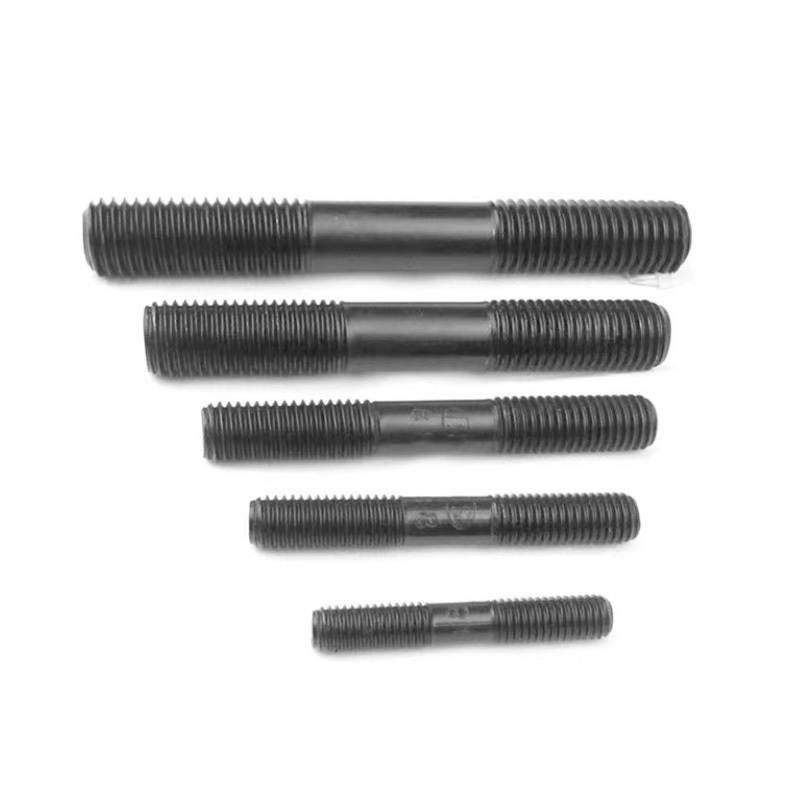
Stud Bolt DIN938 is a type of fastener primarily used for joining two components together. It consists of a rod threaded on both ends, with a longer unthreaded middle section known as the "grip length." Made from high-quality materials like carbon steel, stainless steel, or alloy steel, Stud Bolt DIN938 offers superior strength and durability.
2. Applications:
Stud Bolt DIN938 finds its application in various industrial sectors. It is commonly used in the construction of heavy machinery, pipelines, oil refineries, power plants, and petrochemical facilities. Its ability to withstand high pressure and temperature conditions makes it suitable for critical and demanding environments.
3. Advantages:
Stud Bolt DIN938 offers several advantages in industrial applications. Firstly, its threaded design allows for easy and secure installation, ensuring the integrity of the joint. Additionally, its robust construction provides exceptional resistance against vibration, making it ideal for applications where stability is paramount. Moreover, Stud Bolt DIN938 offers excellent corrosion resistance, enhancing its longevity even in harsh environments.
4. Considerations:
When selecting Stud Bolt DIN938, a few considerations should be kept in mind. The diameter, length, and threading specifications must align with the requirements of the joint being assembled. It is crucial to ensure proper tightening torque to achieve optimal clamping force and prevent loosening under operational conditions. Consulting industry standards and guidelines can aid in selecting the appropriate Stud Bolt DIN938 for specific applications.
5. Maintenance and Inspection:
Regular inspection and maintenance are vital to ensure the continued performance of Stud Bolt DIN938. Periodic checks for signs of wear, corrosion, or damage should be conducted. Replacements should be made promptly if any issues are detected. Lubrication, when necessary, should be performed using suitable lubricants to prevent galling or seizing.
Conclusion:
Stud Bolt DIN938 is an essential component in the industrial equipment and components sector, particularly in fasteners and connectors. This guide has provided a comprehensive overview of Stud Bolt DIN938, enlightening professionals in the industry about its definition, applications, advantages, considerations, and maintenance. Armed with this knowledge, professionals can make informed decisions when incorporating Stud Bolt DIN938 into their industrial projects, ensuring reliable and secure connections.
Stud Bolt DIN938 plays a crucial role in the field of industrial equipment and components, specifically in the fasteners and connectors category. In this guide, we will delve into the key aspects of Stud Bolt DIN938, providing valuable insights for professionals in the industry. This comprehensive overview will enhance your understanding of this essential component, enabling you to make informed decisions in your industrial endeavors.
1. Definition and Composition:
Stud Bolt DIN938 is a type of fastener primarily used for joining two components together. It consists of a rod threaded on both ends, with a longer unthreaded middle section known as the "grip length." Made from high-quality materials like carbon steel, stainless steel, or alloy steel, Stud Bolt DIN938 offers superior strength and durability.
2. Applications:
Stud Bolt DIN938 finds its application in various industrial sectors. It is commonly used in the construction of heavy machinery, pipelines, oil refineries, power plants, and petrochemical facilities. Its ability to withstand high pressure and temperature conditions makes it suitable for critical and demanding environments.
3. Advantages:
Stud Bolt DIN938 offers several advantages in industrial applications. Firstly, its threaded design allows for easy and secure installation, ensuring the integrity of the joint. Additionally, its robust construction provides exceptional resistance against vibration, making it ideal for applications where stability is paramount. Moreover, Stud Bolt DIN938 offers excellent corrosion resistance, enhancing its longevity even in harsh environments.
4. Considerations:
When selecting Stud Bolt DIN938, a few considerations should be kept in mind. The diameter, length, and threading specifications must align with the requirements of the joint being assembled. It is crucial to ensure proper tightening torque to achieve optimal clamping force and prevent loosening under operational conditions. Consulting industry standards and guidelines can aid in selecting the appropriate Stud Bolt DIN938 for specific applications.
5. Maintenance and Inspection:
Regular inspection and maintenance are vital to ensure the continued performance of Stud Bolt DIN938. Periodic checks for signs of wear, corrosion, or damage should be conducted. Replacements should be made promptly if any issues are detected. Lubrication, when necessary, should be performed using suitable lubricants to prevent galling or seizing.
Conclusion:
Stud Bolt DIN938 is an essential component in the industrial equipment and components sector, particularly in fasteners and connectors. This guide has provided a comprehensive overview of Stud Bolt DIN938, enlightening professionals in the industry about its definition, applications, advantages, considerations, and maintenance. Armed with this knowledge, professionals can make informed decisions when incorporating Stud Bolt DIN938 into their industrial projects, ensuring reliable and secure connections.
stud bolt din938
RELEVANT INFORMATION
Understanding the Importance and Applications of Spring Washer DIN127 in Industrial Fastening
In the industrial equipment and components sector, the Spring Washer DIN127 stands out as a crucial fastening element. Its distinctive design serves to maintain tension and prevent loosening of screws and bolts under various conditions. This article explores the characteristics and applications of the Spring Washer DIN127, providing valuable insights for professionals in the field.
The Spring Wash
Nov 15,2025
Why You Need Flat Washer DIN125 for Your Industrial Applications
Introduction: Understanding Flat Washers in Industrial Applications
In the realm of industrial equipment and components, the importance of effective fastening cannot be overstated. Among the myriad of fastening solutions available, **Flat Washer DIN125** stands out as a crucial component that enhances the reliability and performanc
Nov 12,2025
Understanding Stud Bolt DIN 938: A Comprehensive Guide for Industrial Applications
---
Stud Bolts are essential components in various industrial applications, and the DIN 938 specification outlines specific standards for these fasteners. A Stud Bolt is essentially a long bolt with no head, featuring threads on both ends. It is used in conjunction with nuts to create a secure joint between two or more parts. The DIN 938 standard specifies dimensions, mechanical properties, and to
Nov 09,2025