The Importance of Stud Bolt DIN938 in Industrial Equipment and Components
Nov 01,2023
Table of Contents:
1. Introduction: What is Stud Bolt DIN938?
2. Importance of Stud Bolt DIN938 in Industrial Equipment and Components
2.1 Ensuring Safety and Stability
2.2 Enhancing Reliability and Performance
2.3 Preventing Leakage and Downtime
2.4 Facilitating Easy Maintenance and Repairs
3. Applications of Stud Bolt DIN938 in Different Industries
3.1 Oil and Gas Industry
Table of Contents:
1. Introduction: What is Stud Bolt DIN938?
2. Importance of Stud Bolt DIN938 in Industrial Equipment and Components
2.1 Ensuring Safety and Stability
2.2 Enhancing Reliability and Performance
2.3 Preventing Leakage and Downtime
2.4 Facilitating Easy Maintenance and Repairs
3. Applications of Stud Bolt DIN938 in Different Industries
3.1 Oil and Gas Industry
3.2 Power Generation
3.3 Chemical and Petrochemical Industry
3.4 Automotive Industry
3.5 Construction and Infrastructure
4. Benefits of Choosing High-Quality Stud Bolt DIN938
4.1 Durability and Longevity
4.2 Resistance to Corrosion and Extreme Conditions
4.3 Optimal Load Bearing Capacity
4.4 Easy Installation and Removal
4.5 Cost-Effective Solution
5. Frequently Asked Questions (FAQs)
5.1 What is the purpose of Stud Bolt DIN938?
5.2 How is Stud Bolt DIN938 different from other fasteners?
5.3 Can Stud Bolt DIN938 be used in high-pressure applications?
5.4 How often should Stud Bolt DIN938 be inspected and replaced?
5.5 Are there any industry standards for Stud Bolt DIN938?
6. Conclusion
1. Introduction: What is Stud Bolt DIN938?
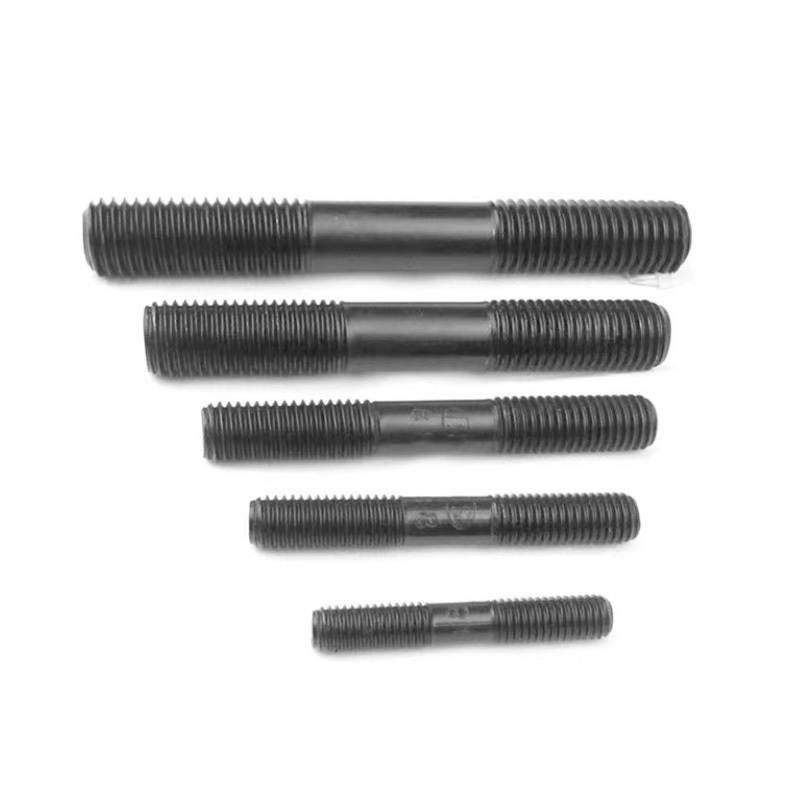
Stud Bolt DIN938 is a type of threaded fastener widely used in industrial equipment and components. It consists of a threaded rod with threads on both ends and is designed to secure two objects together. Stud Bolt DIN938 is known for its high tensile strength, reliability, and durability, making it suitable for various applications in different industries.
2. Importance of Stud Bolt DIN938 in Industrial Equipment and Components
2.1 Ensuring Safety and Stability
In industrial equipment and components, safety and stability are of paramount importance. Stud Bolt DIN938 plays a crucial role in providing structural integrity by securely fastening components together. Whether it is heavy machinery, pipelines, or infrastructure, the use of Stud Bolt DIN938 ensures that the equipment remains stable, minimizing the risk of accidents and failures.
2.2 Enhancing Reliability and Performance
The performance of industrial equipment heavily relies on the reliability of its components. Stud Bolt DIN938 ensures a tight and secure connection between parts, preventing any unwanted movement or loosening. This enhances the overall performance of the equipment, allowing it to function optimally and efficiently.
2.3 Preventing Leakage and Downtime
Leakage in industrial systems can lead to costly downtime, repairs, and even environmental hazards. Stud Bolt DIN938, when properly installed, creates a leak-proof seal, minimizing the risk of leaks and subsequent downtime. This is particularly critical in industries such as oil and gas, where the containment of hazardous substances is essential.
2.4 Facilitating Easy Maintenance and Repairs
Industrial equipment requires regular maintenance and occasional repairs. Stud Bolt DIN938 simplifies the maintenance process by providing easy access to the components that need inspection or servicing. With the use of Stud Bolt DIN938, components can be easily disassembled and reassembled, reducing downtime and improving efficiency.
3. Applications of Stud Bolt DIN938 in Different Industries
3.1 Oil and Gas Industry
In the oil and gas industry, Stud Bolt DIN938 is extensively used for flange connections, ensuring the secure attachment of pipes, valves, and other equipment. Its resistance to corrosion and high-pressure environments makes it ideal for offshore drilling platforms, refineries, and pipelines.
3.2 Power Generation
Power plants rely on Stud Bolt DIN938 to hold together various components, including turbines, generators, and boilers. The robust nature of Stud Bolt DIN938 ensures the stability and integrity of these critical systems, enabling continuous and uninterrupted power generation.
3.3 Chemical and Petrochemical Industry
Chemical and petrochemical plants handle corrosive and hazardous substances. Stud Bolt DIN938, with its resistance to corrosion and high tensile strength, is used to secure critical equipment such as reactors, distillation columns, and storage tanks. This ensures the safety and reliability of these operations.
3.4 Automotive Industry
In the automotive industry, Stud Bolt DIN938 is utilized in engine assemblies, transmission systems, and chassis components. Its strength and reliability play a vital role in maintaining the structural integrity and overall performance of vehicles, ensuring passenger safety and comfort.
3.5 Construction and Infrastructure
Stud Bolt DIN938 is widely used in construction and infrastructure projects. It secures structural components such as beams, columns, and trusses, providing stability and load-bearing capacity. Its durability and resistance to extreme conditions make it suitable for various applications in building and infrastructure projects.
4. Benefits of Choosing High-Quality Stud Bolt DIN938
4.1 Durability and Longevity
High-quality Stud Bolt DIN938 is manufactured using premium materials, ensuring its durability and longevity even in harsh operating conditions. It can withstand high loads, temperature variations, and corrosive environments, making it a reliable choice for industrial applications.
4.2 Resistance to Corrosion and Extreme Conditions
In industries where exposure to chemicals, moisture, and extreme temperatures is common, Stud Bolt DIN938 with appropriate coatings or materials is crucial. High-quality Stud Bolt DIN938 is designed to resist corrosion, rust, and degradation, ensuring its performance and reliability over time.
4.3 Optimal Load Bearing Capacity
Stud Bolt DIN938 is carefully engineered to provide optimal load-bearing capacity. High-quality Stud Bolt DIN938 can handle significant loads, ensuring the stability and safety of industrial equipment and components. It minimizes the risk of failure or deformation under heavy loads.
4.4 Easy Installation and Removal
The design of Stud Bolt DIN938 allows for easy installation and removal, saving time and effort during maintenance and repairs. The threaded ends provide a secure grip, making the assembly and disassembly process efficient and hassle-free.
4.5 Cost-Effective Solution
Investing in high-quality Stud Bolt DIN938 proves to be cost-effective in the long run. Its durability and reliability minimize the need for frequent replacements and repairs, reducing downtime and associated costs. Choosing the right Stud Bolt DIN938 ensures optimal performance, preventing costly equipment failures.
5. Frequently Asked Questions (FAQs)
5.1 What is the purpose of Stud Bolt DIN938?
Stud Bolt DIN938 is designed to secure two objects together in industrial equipment and components, providing stability and structural integrity.
5.2 How is Stud Bolt DIN938 different from other fasteners?
Unlike regular bolts, Stud Bolt DIN938 has threads on both ends, allowing it to be screwed into one object while the other object is secured with a nut. This design provides a more secure connection and allows for easy disassembly.
5.3 Can Stud Bolt DIN938 be used in high-pressure applications?
Yes, Stud Bolt DIN938 is suitable for high-pressure applications. However, it is important to choose the correct material and size that can withstand the specific pressure requirements.
5.4 How often should Stud Bolt DIN938 be inspected and replaced?
Regular inspections of Stud Bolt DIN938 should be conducted as part of preventive maintenance. The frequency of replacement depends on various factors such as the operating conditions, load, and exposure to corrosive elements.
5.5 Are there any industry standards for Stud Bolt DIN938?
Yes, Stud Bolt DIN938 follows the standards set by the Deutsches Institut für Normung (DIN), which provides specifications for dimensions, materials, and performance requirements.
6. Conclusion
Stud Bolt DIN938 is an essential component in industrial equipment and components, playing a vital role in ensuring safety, stability, and reliability. Its applications span across various industries, from oil and gas to automotive and construction. By choosing high-quality Stud Bolt DIN938, businesses can enjoy the benefits of durability, resistance to corrosion, optimal load-bearing capacity, and cost-effectiveness. Understanding the importance of Stud Bolt DIN938 and its role in industrial systems is crucial for maintaining operational efficiency and preventing costly downtime.
1. Introduction: What is Stud Bolt DIN938?
2. Importance of Stud Bolt DIN938 in Industrial Equipment and Components
2.1 Ensuring Safety and Stability
2.2 Enhancing Reliability and Performance
2.3 Preventing Leakage and Downtime
2.4 Facilitating Easy Maintenance and Repairs
3. Applications of Stud Bolt DIN938 in Different Industries
3.1 Oil and Gas Industry
3.2 Power Generation
3.3 Chemical and Petrochemical Industry
3.4 Automotive Industry
3.5 Construction and Infrastructure
4. Benefits of Choosing High-Quality Stud Bolt DIN938
4.1 Durability and Longevity
4.2 Resistance to Corrosion and Extreme Conditions
4.3 Optimal Load Bearing Capacity
4.4 Easy Installation and Removal
4.5 Cost-Effective Solution
5. Frequently Asked Questions (FAQs)
5.1 What is the purpose of Stud Bolt DIN938?
5.2 How is Stud Bolt DIN938 different from other fasteners?
5.3 Can Stud Bolt DIN938 be used in high-pressure applications?
5.4 How often should Stud Bolt DIN938 be inspected and replaced?
5.5 Are there any industry standards for Stud Bolt DIN938?
6. Conclusion
1. Introduction: What is Stud Bolt DIN938?
Stud Bolt DIN938 is a type of threaded fastener widely used in industrial equipment and components. It consists of a threaded rod with threads on both ends and is designed to secure two objects together. Stud Bolt DIN938 is known for its high tensile strength, reliability, and durability, making it suitable for various applications in different industries.
2. Importance of Stud Bolt DIN938 in Industrial Equipment and Components
2.1 Ensuring Safety and Stability
In industrial equipment and components, safety and stability are of paramount importance. Stud Bolt DIN938 plays a crucial role in providing structural integrity by securely fastening components together. Whether it is heavy machinery, pipelines, or infrastructure, the use of Stud Bolt DIN938 ensures that the equipment remains stable, minimizing the risk of accidents and failures.
2.2 Enhancing Reliability and Performance
The performance of industrial equipment heavily relies on the reliability of its components. Stud Bolt DIN938 ensures a tight and secure connection between parts, preventing any unwanted movement or loosening. This enhances the overall performance of the equipment, allowing it to function optimally and efficiently.
2.3 Preventing Leakage and Downtime
Leakage in industrial systems can lead to costly downtime, repairs, and even environmental hazards. Stud Bolt DIN938, when properly installed, creates a leak-proof seal, minimizing the risk of leaks and subsequent downtime. This is particularly critical in industries such as oil and gas, where the containment of hazardous substances is essential.
2.4 Facilitating Easy Maintenance and Repairs
Industrial equipment requires regular maintenance and occasional repairs. Stud Bolt DIN938 simplifies the maintenance process by providing easy access to the components that need inspection or servicing. With the use of Stud Bolt DIN938, components can be easily disassembled and reassembled, reducing downtime and improving efficiency.
3. Applications of Stud Bolt DIN938 in Different Industries
3.1 Oil and Gas Industry
In the oil and gas industry, Stud Bolt DIN938 is extensively used for flange connections, ensuring the secure attachment of pipes, valves, and other equipment. Its resistance to corrosion and high-pressure environments makes it ideal for offshore drilling platforms, refineries, and pipelines.
3.2 Power Generation
Power plants rely on Stud Bolt DIN938 to hold together various components, including turbines, generators, and boilers. The robust nature of Stud Bolt DIN938 ensures the stability and integrity of these critical systems, enabling continuous and uninterrupted power generation.
3.3 Chemical and Petrochemical Industry
Chemical and petrochemical plants handle corrosive and hazardous substances. Stud Bolt DIN938, with its resistance to corrosion and high tensile strength, is used to secure critical equipment such as reactors, distillation columns, and storage tanks. This ensures the safety and reliability of these operations.
3.4 Automotive Industry
In the automotive industry, Stud Bolt DIN938 is utilized in engine assemblies, transmission systems, and chassis components. Its strength and reliability play a vital role in maintaining the structural integrity and overall performance of vehicles, ensuring passenger safety and comfort.
3.5 Construction and Infrastructure
Stud Bolt DIN938 is widely used in construction and infrastructure projects. It secures structural components such as beams, columns, and trusses, providing stability and load-bearing capacity. Its durability and resistance to extreme conditions make it suitable for various applications in building and infrastructure projects.
4. Benefits of Choosing High-Quality Stud Bolt DIN938
4.1 Durability and Longevity
High-quality Stud Bolt DIN938 is manufactured using premium materials, ensuring its durability and longevity even in harsh operating conditions. It can withstand high loads, temperature variations, and corrosive environments, making it a reliable choice for industrial applications.
4.2 Resistance to Corrosion and Extreme Conditions
In industries where exposure to chemicals, moisture, and extreme temperatures is common, Stud Bolt DIN938 with appropriate coatings or materials is crucial. High-quality Stud Bolt DIN938 is designed to resist corrosion, rust, and degradation, ensuring its performance and reliability over time.
4.3 Optimal Load Bearing Capacity
Stud Bolt DIN938 is carefully engineered to provide optimal load-bearing capacity. High-quality Stud Bolt DIN938 can handle significant loads, ensuring the stability and safety of industrial equipment and components. It minimizes the risk of failure or deformation under heavy loads.
4.4 Easy Installation and Removal
The design of Stud Bolt DIN938 allows for easy installation and removal, saving time and effort during maintenance and repairs. The threaded ends provide a secure grip, making the assembly and disassembly process efficient and hassle-free.
4.5 Cost-Effective Solution
Investing in high-quality Stud Bolt DIN938 proves to be cost-effective in the long run. Its durability and reliability minimize the need for frequent replacements and repairs, reducing downtime and associated costs. Choosing the right Stud Bolt DIN938 ensures optimal performance, preventing costly equipment failures.
5. Frequently Asked Questions (FAQs)
5.1 What is the purpose of Stud Bolt DIN938?
Stud Bolt DIN938 is designed to secure two objects together in industrial equipment and components, providing stability and structural integrity.
5.2 How is Stud Bolt DIN938 different from other fasteners?
Unlike regular bolts, Stud Bolt DIN938 has threads on both ends, allowing it to be screwed into one object while the other object is secured with a nut. This design provides a more secure connection and allows for easy disassembly.
5.3 Can Stud Bolt DIN938 be used in high-pressure applications?
Yes, Stud Bolt DIN938 is suitable for high-pressure applications. However, it is important to choose the correct material and size that can withstand the specific pressure requirements.
5.4 How often should Stud Bolt DIN938 be inspected and replaced?
Regular inspections of Stud Bolt DIN938 should be conducted as part of preventive maintenance. The frequency of replacement depends on various factors such as the operating conditions, load, and exposure to corrosive elements.
5.5 Are there any industry standards for Stud Bolt DIN938?
Yes, Stud Bolt DIN938 follows the standards set by the Deutsches Institut für Normung (DIN), which provides specifications for dimensions, materials, and performance requirements.
6. Conclusion
Stud Bolt DIN938 is an essential component in industrial equipment and components, playing a vital role in ensuring safety, stability, and reliability. Its applications span across various industries, from oil and gas to automotive and construction. By choosing high-quality Stud Bolt DIN938, businesses can enjoy the benefits of durability, resistance to corrosion, optimal load-bearing capacity, and cost-effectiveness. Understanding the importance of Stud Bolt DIN938 and its role in industrial systems is crucial for maintaining operational efficiency and preventing costly downtime.
stud bolt din938
RELEVANT INFORMATION
Understanding the Importance and Applications of Spring Washer DIN127 in Industrial Fastening
In the industrial equipment and components sector, the Spring Washer DIN127 stands out as a crucial fastening element. Its distinctive design serves to maintain tension and prevent loosening of screws and bolts under various conditions. This article explores the characteristics and applications of the Spring Washer DIN127, providing valuable insights for professionals in the field.
The Spring Wash
Nov 15,2025
Why You Need Flat Washer DIN125 for Your Industrial Applications
Introduction: Understanding Flat Washers in Industrial Applications
In the realm of industrial equipment and components, the importance of effective fastening cannot be overstated. Among the myriad of fastening solutions available, **Flat Washer DIN125** stands out as a crucial component that enhances the reliability and performanc
Nov 12,2025
Understanding Stud Bolt DIN 938: A Comprehensive Guide for Industrial Applications
---
Stud Bolts are essential components in various industrial applications, and the DIN 938 specification outlines specific standards for these fasteners. A Stud Bolt is essentially a long bolt with no head, featuring threads on both ends. It is used in conjunction with nuts to create a secure joint between two or more parts. The DIN 938 standard specifies dimensions, mechanical properties, and to
Nov 09,2025