
Exploring the World of Hex Nuts: A Comprehensive Guide
Oct 01,2023
Hex nuts are ubiquitous in the realm of industrial equipment and components, specifically within the domain of fasteners and connectors. These small, yet mighty, pieces play a crucial role in securing various parts together, ensuring the smooth operation and longevity of machinery and structures. In this comprehensive guide, we will delve into the world of hex nuts, shedding light on their charact
Hex nuts are ubiquitous in the realm of industrial equipment and components, specifically within the domain of fasteners and connectors. These small, yet mighty, pieces play a crucial role in securing various parts together, ensuring the smooth operation and longevity of machinery and structures. In this comprehensive guide, we will delve into the world of hex nuts, shedding light on their characteristics, applications, and advantages.
1. What exactly are hex nuts?
Hex nuts, as the name suggests, are six-sided fasteners with internal threading. They are typically made of durable materials such as stainless steel, carbon steel, or brass. The six flat sides of a hex nut provide a convenient gripping surface, allowing for easy installation and removal using a wrench or a socket.
2. What are the key features and types of hex nuts?
Hex nuts come in various sizes and materials to accommodate different requirements. The most common types include standard hex nuts, heavy hex nuts, nylon insert lock nuts, and prevailing torque lock nuts. Additionally, they are available in different finishes, such as zinc-plated or hot-dip galvanized, to enhance corrosion resistance.
3. Where are hex nuts used?
Hex nuts find extensive use in a wide range of industries and applications. From construction and automotive to machinery and electronics, these versatile fasteners secure everything from bolts and screws to fittings and assemblies. Hex nuts are indispensable when it comes to joining components in a secure and reliable manner.
4. What are the advantages of hex nuts?
Hex nuts offer several advantages that make them a popular choice in the industrial realm. Firstly, their six-sided design provides superior torque resistance, reducing the risk of loosening due to vibrations or external forces. Secondly, the availability of different materials and coatings ensures compatibility with diverse environments and applications. Lastly, hex nuts are cost-effective and easy to install, making them a preferred option for both professionals and do-it-yourself enthusiasts.
In conclusion, hex nuts play a vital role in the world of industrial equipment and components. Whether you are assembling machinery, constructing structures, or working on DIY projects, understanding the fundamentals of hex nuts is essential. With their exceptional features, wide-ranging applications, and numerous benefits, hex nuts continue to be a cornerstone for secure and reliable connections in the industrial landscape.
1. What exactly are hex nuts?
Hex nuts, as the name suggests, are six-sided fasteners with internal threading. They are typically made of durable materials such as stainless steel, carbon steel, or brass. The six flat sides of a hex nut provide a convenient gripping surface, allowing for easy installation and removal using a wrench or a socket.
2. What are the key features and types of hex nuts?
Hex nuts come in various sizes and materials to accommodate different requirements. The most common types include standard hex nuts, heavy hex nuts, nylon insert lock nuts, and prevailing torque lock nuts. Additionally, they are available in different finishes, such as zinc-plated or hot-dip galvanized, to enhance corrosion resistance.
3. Where are hex nuts used?
Hex nuts find extensive use in a wide range of industries and applications. From construction and automotive to machinery and electronics, these versatile fasteners secure everything from bolts and screws to fittings and assemblies. Hex nuts are indispensable when it comes to joining components in a secure and reliable manner.
4. What are the advantages of hex nuts?
Hex nuts offer several advantages that make them a popular choice in the industrial realm. Firstly, their six-sided design provides superior torque resistance, reducing the risk of loosening due to vibrations or external forces. Secondly, the availability of different materials and coatings ensures compatibility with diverse environments and applications. Lastly, hex nuts are cost-effective and easy to install, making them a preferred option for both professionals and do-it-yourself enthusiasts.
In conclusion, hex nuts play a vital role in the world of industrial equipment and components. Whether you are assembling machinery, constructing structures, or working on DIY projects, understanding the fundamentals of hex nuts is essential. With their exceptional features, wide-ranging applications, and numerous benefits, hex nuts continue to be a cornerstone for secure and reliable connections in the industrial landscape.
hex nut
RELEVANT INFORMATION

Understanding the Importance and Applications of Spring Washer DIN127 in Industrial Fastening
In the industrial equipment and components sector, the Spring Washer DIN127 stands out as a crucial fastening element. Its distinctive design serves to maintain tension and prevent loosening of screws and bolts under various conditions. This article explores the characteristics and applications of the Spring Washer DIN127, providing valuable insights for professionals in the field.
The Spring Wash
Nov 15,2025
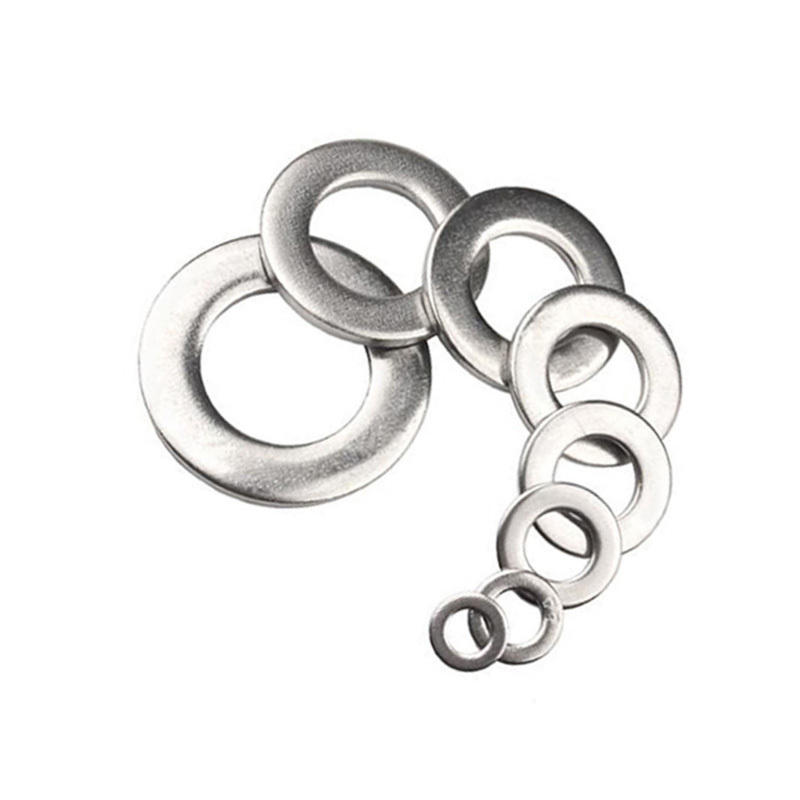
Why You Need Flat Washer DIN125 for Your Industrial Applications
Why You Need Flat Washer DIN125 for Your Industrial Applications
Introduction: Understanding Flat Washers in Industrial Applications
In the realm of industrial equipment and components, the importance of effective fastening cannot be overstated. Among the myriad of fastening solutions available, **Flat Washer DIN125** stands out as a crucial component that enhances the reliability and performanc
Nov 12,2025
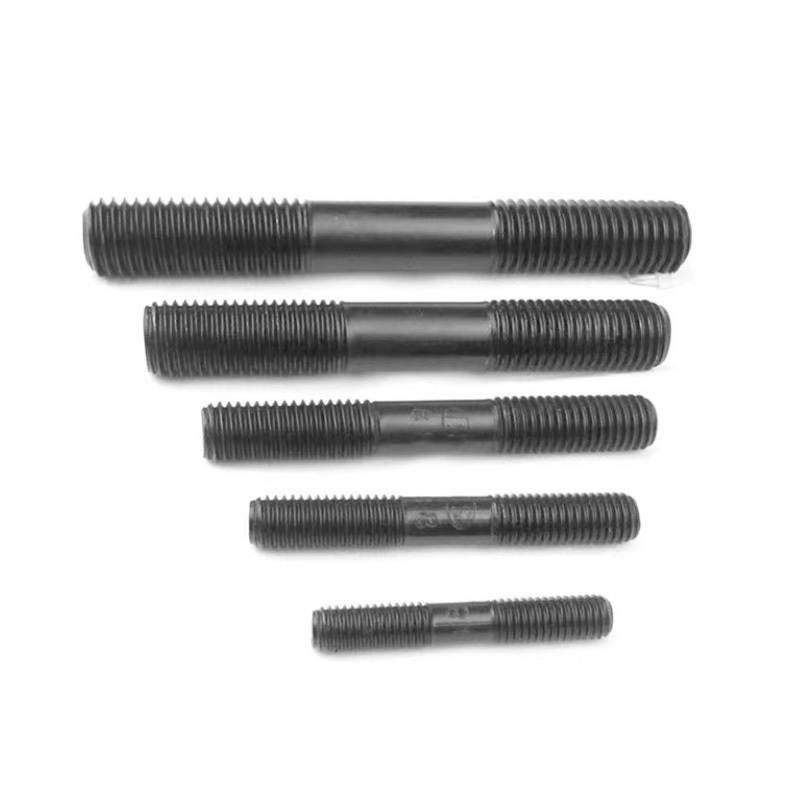
Understanding Stud Bolt DIN 938: A Comprehensive Guide for Industrial Applications
---
Stud Bolts are essential components in various industrial applications, and the DIN 938 specification outlines specific standards for these fasteners. A Stud Bolt is essentially a long bolt with no head, featuring threads on both ends. It is used in conjunction with nuts to create a secure joint between two or more parts. The DIN 938 standard specifies dimensions, mechanical properties, and to
Nov 09,2025

Mainly produces bolts, nuts, washers, full threaded studs, anchor bolts, screws with DIN, BSW, ANIS, MS.


CONTACT US
Yongnian District, Handan City S318 Hebei Province rural credit Cooperative (Yuehua Road) southeast about 170 meters

Mobile website


