
The Ultimate Guide to Choosing the Right Hex Nut for Your Industrial Needs
Sep 30,2023
1. Introduction: Understanding the Importance of Choosing the Right Hex Nut
2. Types of Hex Nuts and Their Applications
3. Factors to Consider When Selecting a Hex Nut
4. Understanding Hex Nut Materials and Coatings
5. Sizing and Specifications: Finding the Perfect Fit
6. Hex Nut Installation and Removal Techniques
7. Best Practices for Maintaining Hex Nuts
8. Frequently Asked Questions (FAQs)
a. How do I determine the right thread size for a hex nut?
b. Can I reuse a hex nut?
c. What are the advantages of using a locknut?
d. How do I prevent corrosion on hex nuts?
e. What are the different grades of hex nuts?
9. Conclusion
1. Introduction: Understanding the Importance of Choosing the Right Hex Nut
Choosing the right hex nut is crucial for ensuring the integrity and performance of industrial structures and machinery. Hex nuts, also known as hexagon nuts or simply nuts, are threaded fasteners used to secure bolts and screws in various applications. These small but essential components play a vital role in maintaining the stability and reliability of assemblies.
In this ultimate guide, we will explore the different aspects of choosing the right hex nut for your industrial needs. From understanding the various types of hex nuts to considering factors like materials, sizing, and installation techniques, we will provide you with valuable insights to make informed decisions.
2. Types of Hex Nuts and Their Applications
Hex nuts come in a variety of types, each designed for specific applications. Here are some commonly used hex nuts and their typical uses:
2.1 Regular Hex Nuts
Regular hex nuts, also known as finished hex nuts, are the most common type. They have six flat sides and internal threads matching the bolt or screw they secure. These nuts are widely used in general-purpose applications across industries.
2.2 Nylon Insert Lock Nuts
Nylon insert lock nuts, also called nyloc nuts, feature a nylon ring inside the nut, providing resistance against loosening due to vibrations. They are ideal for applications where fasteners are exposed to constant movement or vibration.
2.3 Wing Nuts
Wing nuts have two large wings on opposite sides, allowing for easy hand tightening and loosening without the need for tools. They are commonly used in applications that require frequent adjustments or quick assembly and disassembly.
2.4 Jam Nuts
Jam nuts are thin hex nuts used in conjunction with another hex nut to prevent loosening. They are often employed in situations where space is limited or when tight clearance is required.
3. Factors to Consider When Selecting a Hex Nut
When choosing a hex nut, it's essential to consider several factors to ensure the best fit for your specific application. Here are some key considerations:
3.1 Thread Size and Pitch
The thread size and pitch of the hex nut should match the bolt or screw it will be used with. It's crucial to identify the correct thread size using precision measuring tools or consulting a thread size chart.
3.2 Load Capacity and Strength
Consider the load capacity and strength requirements of your application. Higher-strength hex nuts, such as those with higher grades or made from specific materials, may be necessary for heavy-duty applications.
3.3 Environmental Conditions
Take into account the environmental conditions your hex nut will be exposed to. Factors like temperature, humidity, chemical exposure, and presence of corrosive elements can affect the choice of material and coating for optimal performance and durability.
3.4 Application-Specific Requirements
Consider any specific requirements of your application. This may include factors like vibration resistance, anti-loosening capabilities, or compatibility with other components in the assembly.
4. Understanding Hex Nut Materials and Coatings
Hex nuts are available in various materials and coatings, each offering unique properties and advantages. Here are some commonly used materials and coatings:
4.1 Steel Hex Nuts
Steel hex nuts are the most commonly used due to their strength, durability, and cost-effectiveness. They are suitable for a wide range of applications and are available in different grades, such as Grade 2, Grade 5, and Grade 8, each offering varying levels of strength.
4.2 Stainless Steel Hex Nuts
Stainless steel hex nuts are highly resistant to corrosion and are ideal for applications that require excellent corrosion resistance. They are commonly used in industries like marine, food processing, and pharmaceuticals.
4.3 Brass Hex Nuts
Brass hex nuts offer good corrosion resistance, electrical conductivity, and a decorative appearance. They are often used in applications where aesthetics and electrical properties are important, such as lighting fixtures and electrical equipment.
4.4 Coatings and Platings
Hex nuts can be coated or plated with various materials to enhance their corrosion resistance and durability. Common coatings include zinc plating, hot-dip galvanizing, and epoxy coatings. Consider the environmental conditions and specific application requirements when choosing a coating.
5. Sizing and Specifications: Finding the Perfect Fit
Proper sizing and adherence to specifications are crucial for the successful selection of hex nuts. Here are some important considerations:
5.1 Thread Size and Pitch
As mentioned earlier, ensure that the thread size and pitch of the hex nut match the bolt or screw it will be used with. Using an incorrect thread size or pitch can result in poor fitment and compromise the integrity of the assembly.
5.2 Hex Nut Height
The height of the hex nut, also known as the thickness or overall height, should be considered to ensure proper engagement with the bolt or screw. Using a nut with inadequate height may lead to insufficient thread engagement, reducing the strength of the fastening.
5.3 Hex Nut Width
The width across flats, or the distance between opposing flat sides of the hex nut, should be selected based on the available space and the wrench size that will be used for tightening or loosening the nut. Consider the accessibility and clearance requirements for efficient assembly and maintenance.
5.4 Standards and Specifications
Refer to industry standards and specifications, such as those provided by organizations like ASTM International or the International Organization for Standardization (ISO), to ensure compliance and quality of the hex nut.
6. Hex Nut Installation and Removal Techniques
Proper installation and removal techniques are essential for ensuring the secure and reliable performance of hex nuts. Here are some best practices to consider:
6.1 Tightening Torque
Use a torque wrench or appropriate torque measuring device to apply the recommended tightening torque. Over-tightening can cause damage to the fasteners or the assembly, while under-tightening may result in insufficient clamping force.
6.2 Use of Washers
Consider using washers, such as flat washers or lock washers, in conjunction with hex nuts to distribute the load and provide increased surface area contact. Washers can also help prevent damage to the underlying surface or improve the grip on the fastener.
6.3 Anti-Seize Compounds
In applications prone to high temperatures, corrosion, or galling, the use of anti-seize compounds can facilitate easy installation and removal of hex nuts. These compounds reduce friction and prevent seizing of the fasteners.
6.4 Removal Techniques
When removing hex nuts, use the appropriate tools, such as wrenches or sockets, to ensure proper engagement and prevent damage to the nut or the surrounding components. Apply steady and controlled force to avoid sudden movements or accidents.
7. Best Practices for Maintaining Hex Nuts
Proper maintenance is essential for maximizing the lifespan and performance of hex nuts. Here are some best practices to follow:
7.1 Regular Inspections
Periodically inspect hex nuts for signs of wear, corrosion, or damage. Replace any worn or damaged nuts promptly to prevent potential failures or compromised performance.
7.2 Lubrication
In applications where hex nuts are subjected to frequent adjustments or high temperatures, consider using appropriate lubricants to reduce friction, prevent galling, and ensure smooth operation.
7.3 Corrosion Prevention
Implement corrosion prevention measures, such as using corrosion-resistant materials, applying suitable coatings, or using isolating barriers, to protect hex nuts from corrosive elements and extend their lifespan.
7.4 Proper Storage
Store hex nuts in a clean, dry environment to prevent exposure to moisture, dust, or contaminants that could compromise their integrity or performance.
8. Frequently Asked Questions (FAQs)
8.1 How do I determine the right thread size for a hex nut?
To determine the right thread size for a hex nut, you can use precision measuring tools, such as thread gauges or calipers, or consult a thread size chart that provides detailed information on standard thread sizes.
8.2 Can I reuse a hex nut?
While it is possible to reuse hex nuts, it is generally recommended to use new nuts for critical or high-stress applications. Reusing nuts can result in reduced clamping force and compromised performance.
8.3 What are the advantages of using a locknut?
Locknuts, such as nylon insert lock nuts, provide resistance against loosening due to vibrations. They are advantageous in applications where fasteners are exposed to constant movement or vibration, ensuring a secure and reliable connection.
8.4 How do I prevent corrosion on hex nuts?
To prevent corrosion on hex nuts, consider using corrosion-resistant materials, applying suitable coatings or platings, and implementing proper maintenance practices. Regular inspections and prompt replacement of corroded nuts are also essential.
8.5 What are the different grades of hex nuts?
Hex nuts are available in different grades, such as Grade 2, Grade 5, and Grade 8. These grades indicate the tensile strength and mechanical properties of the nuts. Higher-grade nuts offer increased strength and are suitable for heavy-duty applications.
9. Conclusion
Choosing the right hex nut is vital for ensuring the performance, reliability, and safety of industrial assemblies. By understanding the different types of hex nuts, considering factors like materials and coatings, and adhering to sizing and installation guidelines, you can make informed decisions that optimize your industrial projects.
Remember to evaluate the specific requirements of your application, consult industry standards, and prioritize proper maintenance practices to maximize the lifespan and functionality of hex nuts. By following these guidelines and best practices, you can confidently select the perfect hex nut solution for your industrial needs.
Hex nuts come in a variety of types, each designed for specific applications. Here are some commonly used hex nuts and their typical uses:
2.1 Regular Hex Nuts
Regular hex nuts, also known as finished hex nuts, are the most common type. They have six flat sides and internal threads matching the bolt or screw they secure. These nuts are widely used in general-purpose applications across industries.
2.2 Nylon Insert Lock Nuts
Nylon insert lock nuts, also called nyloc nuts, feature a nylon ring inside the nut, providing resistance against loosening due to vibrations. They are ideal for applications where fasteners are exposed to constant movement or vibration.
2.3 Wing Nuts
Wing nuts have two large wings on opposite sides, allowing for easy hand tightening and loosening without the need for tools. They are commonly used in applications that require frequent adjustments or quick assembly and disassembly.
2.4 Jam Nuts
Jam nuts are thin hex nuts used in conjunction with another hex nut to prevent loosening. They are often employed in situations where space is limited or when tight clearance is required.
3. Factors to Consider When Selecting a Hex Nut
When choosing a hex nut, it's essential to consider several factors to ensure the best fit for your specific application. Here are some key considerations:
3.1 Thread Size and Pitch
The thread size and pitch of the hex nut should match the bolt or screw it will be used with. It's crucial to identify the correct thread size using precision measuring tools or consulting a thread size chart.
3.2 Load Capacity and Strength
Consider the load capacity and strength requirements of your application. Higher-strength hex nuts, such as those with higher grades or made from specific materials, may be necessary for heavy-duty applications.
3.3 Environmental Conditions
Take into account the environmental conditions your hex nut will be exposed to. Factors like temperature, humidity, chemical exposure, and presence of corrosive elements can affect the choice of material and coating for optimal performance and durability.
3.4 Application-Specific Requirements
Consider any specific requirements of your application. This may include factors like vibration resistance, anti-loosening capabilities, or compatibility with other components in the assembly.
4. Understanding Hex Nut Materials and Coatings
Hex nuts are available in various materials and coatings, each offering unique properties and advantages. Here are some commonly used materials and coatings:
4.1 Steel Hex Nuts
Steel hex nuts are the most commonly used due to their strength, durability, and cost-effectiveness. They are suitable for a wide range of applications and are available in different grades, such as Grade 2, Grade 5, and Grade 8, each offering varying levels of strength.
4.2 Stainless Steel Hex Nuts
Stainless steel hex nuts are highly resistant to corrosion and are ideal for applications that require excellent corrosion resistance. They are commonly used in industries like marine, food processing, and pharmaceuticals.
4.3 Brass Hex Nuts
Brass hex nuts offer good corrosion resistance, electrical conductivity, and a decorative appearance. They are often used in applications where aesthetics and electrical properties are important, such as lighting fixtures and electrical equipment.
4.4 Coatings and Platings
Hex nuts can be coated or plated with various materials to enhance their corrosion resistance and durability. Common coatings include zinc plating, hot-dip galvanizing, and epoxy coatings. Consider the environmental conditions and specific application requirements when choosing a coating.
5. Sizing and Specifications: Finding the Perfect Fit
Proper sizing and adherence to specifications are crucial for the successful selection of hex nuts. Here are some important considerations:
5.1 Thread Size and Pitch
As mentioned earlier, ensure that the thread size and pitch of the hex nut match the bolt or screw it will be used with. Using an incorrect thread size or pitch can result in poor fitment and compromise the integrity of the assembly.
5.2 Hex Nut Height
The height of the hex nut, also known as the thickness or overall height, should be considered to ensure proper engagement with the bolt or screw. Using a nut with inadequate height may lead to insufficient thread engagement, reducing the strength of the fastening.
5.3 Hex Nut Width
The width across flats, or the distance between opposing flat sides of the hex nut, should be selected based on the available space and the wrench size that will be used for tightening or loosening the nut. Consider the accessibility and clearance requirements for efficient assembly and maintenance.
5.4 Standards and Specifications
Refer to industry standards and specifications, such as those provided by organizations like ASTM International or the International Organization for Standardization (ISO), to ensure compliance and quality of the hex nut.
6. Hex Nut Installation and Removal Techniques
Proper installation and removal techniques are essential for ensuring the secure and reliable performance of hex nuts. Here are some best practices to consider:
6.1 Tightening Torque
Use a torque wrench or appropriate torque measuring device to apply the recommended tightening torque. Over-tightening can cause damage to the fasteners or the assembly, while under-tightening may result in insufficient clamping force.
6.2 Use of Washers
Consider using washers, such as flat washers or lock washers, in conjunction with hex nuts to distribute the load and provide increased surface area contact. Washers can also help prevent damage to the underlying surface or improve the grip on the fastener.
6.3 Anti-Seize Compounds
In applications prone to high temperatures, corrosion, or galling, the use of anti-seize compounds can facilitate easy installation and removal of hex nuts. These compounds reduce friction and prevent seizing of the fasteners.
6.4 Removal Techniques
When removing hex nuts, use the appropriate tools, such as wrenches or sockets, to ensure proper engagement and prevent damage to the nut or the surrounding components. Apply steady and controlled force to avoid sudden movements or accidents.
7. Best Practices for Maintaining Hex Nuts
Proper maintenance is essential for maximizing the lifespan and performance of hex nuts. Here are some best practices to follow:
7.1 Regular Inspections
Periodically inspect hex nuts for signs of wear, corrosion, or damage. Replace any worn or damaged nuts promptly to prevent potential failures or compromised performance.
7.2 Lubrication
In applications where hex nuts are subjected to frequent adjustments or high temperatures, consider using appropriate lubricants to reduce friction, prevent galling, and ensure smooth operation.
7.3 Corrosion Prevention
Implement corrosion prevention measures, such as using corrosion-resistant materials, applying suitable coatings, or using isolating barriers, to protect hex nuts from corrosive elements and extend their lifespan.
7.4 Proper Storage
Store hex nuts in a clean, dry environment to prevent exposure to moisture, dust, or contaminants that could compromise their integrity or performance.
8. Frequently Asked Questions (FAQs)
8.1 How do I determine the right thread size for a hex nut?
To determine the right thread size for a hex nut, you can use precision measuring tools, such as thread gauges or calipers, or consult a thread size chart that provides detailed information on standard thread sizes.
8.2 Can I reuse a hex nut?
While it is possible to reuse hex nuts, it is generally recommended to use new nuts for critical or high-stress applications. Reusing nuts can result in reduced clamping force and compromised performance.
8.3 What are the advantages of using a locknut?
Locknuts, such as nylon insert lock nuts, provide resistance against loosening due to vibrations. They are advantageous in applications where fasteners are exposed to constant movement or vibration, ensuring a secure and reliable connection.
8.4 How do I prevent corrosion on hex nuts?
To prevent corrosion on hex nuts, consider using corrosion-resistant materials, applying suitable coatings or platings, and implementing proper maintenance practices. Regular inspections and prompt replacement of corroded nuts are also essential.
8.5 What are the different grades of hex nuts?
Hex nuts are available in different grades, such as Grade 2, Grade 5, and Grade 8. These grades indicate the tensile strength and mechanical properties of the nuts. Higher-grade nuts offer increased strength and are suitable for heavy-duty applications.
9. Conclusion
Choosing the right hex nut is vital for ensuring the performance, reliability, and safety of industrial assemblies. By understanding the different types of hex nuts, considering factors like materials and coatings, and adhering to sizing and installation guidelines, you can make informed decisions that optimize your industrial projects.
Remember to evaluate the specific requirements of your application, consult industry standards, and prioritize proper maintenance practices to maximize the lifespan and functionality of hex nuts. By following these guidelines and best practices, you can confidently select the perfect hex nut solution for your industrial needs.
Nylon insert lock nuts, also called nyloc nuts, feature a nylon ring inside the nut, providing resistance against loosening due to vibrations. They are ideal for applications where fasteners are exposed to constant movement or vibration.
2.3 Wing Nuts
Wing nuts have two large wings on opposite sides, allowing for easy hand tightening and loosening without the need for tools. They are commonly used in applications that require frequent adjustments or quick assembly and disassembly.
2.4 Jam Nuts
Jam nuts are thin hex nuts used in conjunction with another hex nut to prevent loosening. They are often employed in situations where space is limited or when tight clearance is required.
3. Factors to Consider When Selecting a Hex Nut
When choosing a hex nut, it's essential to consider several factors to ensure the best fit for your specific application. Here are some key considerations:
3.1 Thread Size and Pitch
The thread size and pitch of the hex nut should match the bolt or screw it will be used with. It's crucial to identify the correct thread size using precision measuring tools or consulting a thread size chart.
3.2 Load Capacity and Strength
Consider the load capacity and strength requirements of your application. Higher-strength hex nuts, such as those with higher grades or made from specific materials, may be necessary for heavy-duty applications.
3.3 Environmental Conditions
Take into account the environmental conditions your hex nut will be exposed to. Factors like temperature, humidity, chemical exposure, and presence of corrosive elements can affect the choice of material and coating for optimal performance and durability.
3.4 Application-Specific Requirements
Consider any specific requirements of your application. This may include factors like vibration resistance, anti-loosening capabilities, or compatibility with other components in the assembly.
4. Understanding Hex Nut Materials and Coatings
Hex nuts are available in various materials and coatings, each offering unique properties and advantages. Here are some commonly used materials and coatings:
4.1 Steel Hex Nuts
Steel hex nuts are the most commonly used due to their strength, durability, and cost-effectiveness. They are suitable for a wide range of applications and are available in different grades, such as Grade 2, Grade 5, and Grade 8, each offering varying levels of strength.
4.2 Stainless Steel Hex Nuts
Stainless steel hex nuts are highly resistant to corrosion and are ideal for applications that require excellent corrosion resistance. They are commonly used in industries like marine, food processing, and pharmaceuticals.
4.3 Brass Hex Nuts
Brass hex nuts offer good corrosion resistance, electrical conductivity, and a decorative appearance. They are often used in applications where aesthetics and electrical properties are important, such as lighting fixtures and electrical equipment.
4.4 Coatings and Platings
Hex nuts can be coated or plated with various materials to enhance their corrosion resistance and durability. Common coatings include zinc plating, hot-dip galvanizing, and epoxy coatings. Consider the environmental conditions and specific application requirements when choosing a coating.
5. Sizing and Specifications: Finding the Perfect Fit
Proper sizing and adherence to specifications are crucial for the successful selection of hex nuts. Here are some important considerations:
5.1 Thread Size and Pitch
As mentioned earlier, ensure that the thread size and pitch of the hex nut match the bolt or screw it will be used with. Using an incorrect thread size or pitch can result in poor fitment and compromise the integrity of the assembly.
5.2 Hex Nut Height
The height of the hex nut, also known as the thickness or overall height, should be considered to ensure proper engagement with the bolt or screw. Using a nut with inadequate height may lead to insufficient thread engagement, reducing the strength of the fastening.
5.3 Hex Nut Width
The width across flats, or the distance between opposing flat sides of the hex nut, should be selected based on the available space and the wrench size that will be used for tightening or loosening the nut. Consider the accessibility and clearance requirements for efficient assembly and maintenance.
5.4 Standards and Specifications
Refer to industry standards and specifications, such as those provided by organizations like ASTM International or the International Organization for Standardization (ISO), to ensure compliance and quality of the hex nut.
6. Hex Nut Installation and Removal Techniques
Proper installation and removal techniques are essential for ensuring the secure and reliable performance of hex nuts. Here are some best practices to consider:
6.1 Tightening Torque
Use a torque wrench or appropriate torque measuring device to apply the recommended tightening torque. Over-tightening can cause damage to the fasteners or the assembly, while under-tightening may result in insufficient clamping force.
6.2 Use of Washers
Consider using washers, such as flat washers or lock washers, in conjunction with hex nuts to distribute the load and provide increased surface area contact. Washers can also help prevent damage to the underlying surface or improve the grip on the fastener.
6.3 Anti-Seize Compounds
In applications prone to high temperatures, corrosion, or galling, the use of anti-seize compounds can facilitate easy installation and removal of hex nuts. These compounds reduce friction and prevent seizing of the fasteners.
6.4 Removal Techniques
When removing hex nuts, use the appropriate tools, such as wrenches or sockets, to ensure proper engagement and prevent damage to the nut or the surrounding components. Apply steady and controlled force to avoid sudden movements or accidents.
7. Best Practices for Maintaining Hex Nuts
Proper maintenance is essential for maximizing the lifespan and performance of hex nuts. Here are some best practices to follow:
7.1 Regular Inspections
Periodically inspect hex nuts for signs of wear, corrosion, or damage. Replace any worn or damaged nuts promptly to prevent potential failures or compromised performance.
7.2 Lubrication
In applications where hex nuts are subjected to frequent adjustments or high temperatures, consider using appropriate lubricants to reduce friction, prevent galling, and ensure smooth operation.
7.3 Corrosion Prevention
Implement corrosion prevention measures, such as using corrosion-resistant materials, applying suitable coatings, or using isolating barriers, to protect hex nuts from corrosive elements and extend their lifespan.
7.4 Proper Storage
Store hex nuts in a clean, dry environment to prevent exposure to moisture, dust, or contaminants that could compromise their integrity or performance.
8. Frequently Asked Questions (FAQs)
8.1 How do I determine the right thread size for a hex nut?
To determine the right thread size for a hex nut, you can use precision measuring tools, such as thread gauges or calipers, or consult a thread size chart that provides detailed information on standard thread sizes.
8.2 Can I reuse a hex nut?
While it is possible to reuse hex nuts, it is generally recommended to use new nuts for critical or high-stress applications. Reusing nuts can result in reduced clamping force and compromised performance.
8.3 What are the advantages of using a locknut?
Locknuts, such as nylon insert lock nuts, provide resistance against loosening due to vibrations. They are advantageous in applications where fasteners are exposed to constant movement or vibration, ensuring a secure and reliable connection.
8.4 How do I prevent corrosion on hex nuts?
To prevent corrosion on hex nuts, consider using corrosion-resistant materials, applying suitable coatings or platings, and implementing proper maintenance practices. Regular inspections and prompt replacement of corroded nuts are also essential.
8.5 What are the different grades of hex nuts?
Hex nuts are available in different grades, such as Grade 2, Grade 5, and Grade 8. These grades indicate the tensile strength and mechanical properties of the nuts. Higher-grade nuts offer increased strength and are suitable for heavy-duty applications.
9. Conclusion
Choosing the right hex nut is vital for ensuring the performance, reliability, and safety of industrial assemblies. By understanding the different types of hex nuts, considering factors like materials and coatings, and adhering to sizing and installation guidelines, you can make informed decisions that optimize your industrial projects.
Remember to evaluate the specific requirements of your application, consult industry standards, and prioritize proper maintenance practices to maximize the lifespan and functionality of hex nuts. By following these guidelines and best practices, you can confidently select the perfect hex nut solution for your industrial needs.
Jam nuts are thin hex nuts used in conjunction with another hex nut to prevent loosening. They are often employed in situations where space is limited or when tight clearance is required.
3. Factors to Consider When Selecting a Hex Nut
When choosing a hex nut, it's essential to consider several factors to ensure the best fit for your specific application. Here are some key considerations:
3.1 Thread Size and Pitch
The thread size and pitch of the hex nut should match the bolt or screw it will be used with. It's crucial to identify the correct thread size using precision measuring tools or consulting a thread size chart.
3.2 Load Capacity and Strength
Consider the load capacity and strength requirements of your application. Higher-strength hex nuts, such as those with higher grades or made from specific materials, may be necessary for heavy-duty applications.
3.3 Environmental Conditions
Take into account the environmental conditions your hex nut will be exposed to. Factors like temperature, humidity, chemical exposure, and presence of corrosive elements can affect the choice of material and coating for optimal performance and durability.
3.4 Application-Specific Requirements
Consider any specific requirements of your application. This may include factors like vibration resistance, anti-loosening capabilities, or compatibility with other components in the assembly.
4. Understanding Hex Nut Materials and Coatings
Hex nuts are available in various materials and coatings, each offering unique properties and advantages. Here are some commonly used materials and coatings:
4.1 Steel Hex Nuts
Steel hex nuts are the most commonly used due to their strength, durability, and cost-effectiveness. They are suitable for a wide range of applications and are available in different grades, such as Grade 2, Grade 5, and Grade 8, each offering varying levels of strength.
4.2 Stainless Steel Hex Nuts
Stainless steel hex nuts are highly resistant to corrosion and are ideal for applications that require excellent corrosion resistance. They are commonly used in industries like marine, food processing, and pharmaceuticals.
4.3 Brass Hex Nuts
Brass hex nuts offer good corrosion resistance, electrical conductivity, and a decorative appearance. They are often used in applications where aesthetics and electrical properties are important, such as lighting fixtures and electrical equipment.
4.4 Coatings and Platings
Hex nuts can be coated or plated with various materials to enhance their corrosion resistance and durability. Common coatings include zinc plating, hot-dip galvanizing, and epoxy coatings. Consider the environmental conditions and specific application requirements when choosing a coating.
5. Sizing and Specifications: Finding the Perfect Fit
Proper sizing and adherence to specifications are crucial for the successful selection of hex nuts. Here are some important considerations:
5.1 Thread Size and Pitch
As mentioned earlier, ensure that the thread size and pitch of the hex nut match the bolt or screw it will be used with. Using an incorrect thread size or pitch can result in poor fitment and compromise the integrity of the assembly.
5.2 Hex Nut Height
The height of the hex nut, also known as the thickness or overall height, should be considered to ensure proper engagement with the bolt or screw. Using a nut with inadequate height may lead to insufficient thread engagement, reducing the strength of the fastening.
5.3 Hex Nut Width
The width across flats, or the distance between opposing flat sides of the hex nut, should be selected based on the available space and the wrench size that will be used for tightening or loosening the nut. Consider the accessibility and clearance requirements for efficient assembly and maintenance.
5.4 Standards and Specifications
Refer to industry standards and specifications, such as those provided by organizations like ASTM International or the International Organization for Standardization (ISO), to ensure compliance and quality of the hex nut.
6. Hex Nut Installation and Removal Techniques
Proper installation and removal techniques are essential for ensuring the secure and reliable performance of hex nuts. Here are some best practices to consider:
6.1 Tightening Torque
Use a torque wrench or appropriate torque measuring device to apply the recommended tightening torque. Over-tightening can cause damage to the fasteners or the assembly, while under-tightening may result in insufficient clamping force.
6.2 Use of Washers
Consider using washers, such as flat washers or lock washers, in conjunction with hex nuts to distribute the load and provide increased surface area contact. Washers can also help prevent damage to the underlying surface or improve the grip on the fastener.
6.3 Anti-Seize Compounds
In applications prone to high temperatures, corrosion, or galling, the use of anti-seize compounds can facilitate easy installation and removal of hex nuts. These compounds reduce friction and prevent seizing of the fasteners.
6.4 Removal Techniques
When removing hex nuts, use the appropriate tools, such as wrenches or sockets, to ensure proper engagement and prevent damage to the nut or the surrounding components. Apply steady and controlled force to avoid sudden movements or accidents.
7. Best Practices for Maintaining Hex Nuts
Proper maintenance is essential for maximizing the lifespan and performance of hex nuts. Here are some best practices to follow:
7.1 Regular Inspections
Periodically inspect hex nuts for signs of wear, corrosion, or damage. Replace any worn or damaged nuts promptly to prevent potential failures or compromised performance.
7.2 Lubrication
In applications where hex nuts are subjected to frequent adjustments or high temperatures, consider using appropriate lubricants to reduce friction, prevent galling, and ensure smooth operation.
7.3 Corrosion Prevention
Implement corrosion prevention measures, such as using corrosion-resistant materials, applying suitable coatings, or using isolating barriers, to protect hex nuts from corrosive elements and extend their lifespan.
7.4 Proper Storage
Store hex nuts in a clean, dry environment to prevent exposure to moisture, dust, or contaminants that could compromise their integrity or performance.
8. Frequently Asked Questions (FAQs)
8.1 How do I determine the right thread size for a hex nut?
To determine the right thread size for a hex nut, you can use precision measuring tools, such as thread gauges or calipers, or consult a thread size chart that provides detailed information on standard thread sizes.
8.2 Can I reuse a hex nut?
While it is possible to reuse hex nuts, it is generally recommended to use new nuts for critical or high-stress applications. Reusing nuts can result in reduced clamping force and compromised performance.
8.3 What are the advantages of using a locknut?
Locknuts, such as nylon insert lock nuts, provide resistance against loosening due to vibrations. They are advantageous in applications where fasteners are exposed to constant movement or vibration, ensuring a secure and reliable connection.
8.4 How do I prevent corrosion on hex nuts?
To prevent corrosion on hex nuts, consider using corrosion-resistant materials, applying suitable coatings or platings, and implementing proper maintenance practices. Regular inspections and prompt replacement of corroded nuts are also essential.
8.5 What are the different grades of hex nuts?
Hex nuts are available in different grades, such as Grade 2, Grade 5, and Grade 8. These grades indicate the tensile strength and mechanical properties of the nuts. Higher-grade nuts offer increased strength and are suitable for heavy-duty applications.
9. Conclusion
Choosing the right hex nut is vital for ensuring the performance, reliability, and safety of industrial assemblies. By understanding the different types of hex nuts, considering factors like materials and coatings, and adhering to sizing and installation guidelines, you can make informed decisions that optimize your industrial projects.
Remember to evaluate the specific requirements of your application, consult industry standards, and prioritize proper maintenance practices to maximize the lifespan and functionality of hex nuts. By following these guidelines and best practices, you can confidently select the perfect hex nut solution for your industrial needs.
The thread size and pitch of the hex nut should match the bolt or screw it will be used with. It's crucial to identify the correct thread size using precision measuring tools or consulting a thread size chart.
3.2 Load Capacity and Strength
Consider the load capacity and strength requirements of your application. Higher-strength hex nuts, such as those with higher grades or made from specific materials, may be necessary for heavy-duty applications.
3.3 Environmental Conditions
Take into account the environmental conditions your hex nut will be exposed to. Factors like temperature, humidity, chemical exposure, and presence of corrosive elements can affect the choice of material and coating for optimal performance and durability.
3.4 Application-Specific Requirements
Consider any specific requirements of your application. This may include factors like vibration resistance, anti-loosening capabilities, or compatibility with other components in the assembly.
4. Understanding Hex Nut Materials and Coatings
Hex nuts are available in various materials and coatings, each offering unique properties and advantages. Here are some commonly used materials and coatings:
4.1 Steel Hex Nuts
Steel hex nuts are the most commonly used due to their strength, durability, and cost-effectiveness. They are suitable for a wide range of applications and are available in different grades, such as Grade 2, Grade 5, and Grade 8, each offering varying levels of strength.
4.2 Stainless Steel Hex Nuts
Stainless steel hex nuts are highly resistant to corrosion and are ideal for applications that require excellent corrosion resistance. They are commonly used in industries like marine, food processing, and pharmaceuticals.
4.3 Brass Hex Nuts
Brass hex nuts offer good corrosion resistance, electrical conductivity, and a decorative appearance. They are often used in applications where aesthetics and electrical properties are important, such as lighting fixtures and electrical equipment.
4.4 Coatings and Platings
Hex nuts can be coated or plated with various materials to enhance their corrosion resistance and durability. Common coatings include zinc plating, hot-dip galvanizing, and epoxy coatings. Consider the environmental conditions and specific application requirements when choosing a coating.
5. Sizing and Specifications: Finding the Perfect Fit
Proper sizing and adherence to specifications are crucial for the successful selection of hex nuts. Here are some important considerations:
5.1 Thread Size and Pitch
As mentioned earlier, ensure that the thread size and pitch of the hex nut match the bolt or screw it will be used with. Using an incorrect thread size or pitch can result in poor fitment and compromise the integrity of the assembly.
5.2 Hex Nut Height
The height of the hex nut, also known as the thickness or overall height, should be considered to ensure proper engagement with the bolt or screw. Using a nut with inadequate height may lead to insufficient thread engagement, reducing the strength of the fastening.
5.3 Hex Nut Width
The width across flats, or the distance between opposing flat sides of the hex nut, should be selected based on the available space and the wrench size that will be used for tightening or loosening the nut. Consider the accessibility and clearance requirements for efficient assembly and maintenance.
5.4 Standards and Specifications
Refer to industry standards and specifications, such as those provided by organizations like ASTM International or the International Organization for Standardization (ISO), to ensure compliance and quality of the hex nut.
6. Hex Nut Installation and Removal Techniques
Proper installation and removal techniques are essential for ensuring the secure and reliable performance of hex nuts. Here are some best practices to consider:
6.1 Tightening Torque
Use a torque wrench or appropriate torque measuring device to apply the recommended tightening torque. Over-tightening can cause damage to the fasteners or the assembly, while under-tightening may result in insufficient clamping force.
6.2 Use of Washers
Consider using washers, such as flat washers or lock washers, in conjunction with hex nuts to distribute the load and provide increased surface area contact. Washers can also help prevent damage to the underlying surface or improve the grip on the fastener.
6.3 Anti-Seize Compounds
In applications prone to high temperatures, corrosion, or galling, the use of anti-seize compounds can facilitate easy installation and removal of hex nuts. These compounds reduce friction and prevent seizing of the fasteners.
6.4 Removal Techniques
When removing hex nuts, use the appropriate tools, such as wrenches or sockets, to ensure proper engagement and prevent damage to the nut or the surrounding components. Apply steady and controlled force to avoid sudden movements or accidents.
7. Best Practices for Maintaining Hex Nuts
Proper maintenance is essential for maximizing the lifespan and performance of hex nuts. Here are some best practices to follow:
7.1 Regular Inspections
Periodically inspect hex nuts for signs of wear, corrosion, or damage. Replace any worn or damaged nuts promptly to prevent potential failures or compromised performance.
7.2 Lubrication
In applications where hex nuts are subjected to frequent adjustments or high temperatures, consider using appropriate lubricants to reduce friction, prevent galling, and ensure smooth operation.
7.3 Corrosion Prevention
Implement corrosion prevention measures, such as using corrosion-resistant materials, applying suitable coatings, or using isolating barriers, to protect hex nuts from corrosive elements and extend their lifespan.
7.4 Proper Storage
Store hex nuts in a clean, dry environment to prevent exposure to moisture, dust, or contaminants that could compromise their integrity or performance.
8. Frequently Asked Questions (FAQs)
8.1 How do I determine the right thread size for a hex nut?
To determine the right thread size for a hex nut, you can use precision measuring tools, such as thread gauges or calipers, or consult a thread size chart that provides detailed information on standard thread sizes.
8.2 Can I reuse a hex nut?
While it is possible to reuse hex nuts, it is generally recommended to use new nuts for critical or high-stress applications. Reusing nuts can result in reduced clamping force and compromised performance.
8.3 What are the advantages of using a locknut?
Locknuts, such as nylon insert lock nuts, provide resistance against loosening due to vibrations. They are advantageous in applications where fasteners are exposed to constant movement or vibration, ensuring a secure and reliable connection.
8.4 How do I prevent corrosion on hex nuts?
To prevent corrosion on hex nuts, consider using corrosion-resistant materials, applying suitable coatings or platings, and implementing proper maintenance practices. Regular inspections and prompt replacement of corroded nuts are also essential.
8.5 What are the different grades of hex nuts?
Hex nuts are available in different grades, such as Grade 2, Grade 5, and Grade 8. These grades indicate the tensile strength and mechanical properties of the nuts. Higher-grade nuts offer increased strength and are suitable for heavy-duty applications.
9. Conclusion
Choosing the right hex nut is vital for ensuring the performance, reliability, and safety of industrial assemblies. By understanding the different types of hex nuts, considering factors like materials and coatings, and adhering to sizing and installation guidelines, you can make informed decisions that optimize your industrial projects.
Remember to evaluate the specific requirements of your application, consult industry standards, and prioritize proper maintenance practices to maximize the lifespan and functionality of hex nuts. By following these guidelines and best practices, you can confidently select the perfect hex nut solution for your industrial needs.
Take into account the environmental conditions your hex nut will be exposed to. Factors like temperature, humidity, chemical exposure, and presence of corrosive elements can affect the choice of material and coating for optimal performance and durability.
3.4 Application-Specific Requirements
Consider any specific requirements of your application. This may include factors like vibration resistance, anti-loosening capabilities, or compatibility with other components in the assembly.
4. Understanding Hex Nut Materials and Coatings
Hex nuts are available in various materials and coatings, each offering unique properties and advantages. Here are some commonly used materials and coatings:
4.1 Steel Hex Nuts
Steel hex nuts are the most commonly used due to their strength, durability, and cost-effectiveness. They are suitable for a wide range of applications and are available in different grades, such as Grade 2, Grade 5, and Grade 8, each offering varying levels of strength.
4.2 Stainless Steel Hex Nuts
Stainless steel hex nuts are highly resistant to corrosion and are ideal for applications that require excellent corrosion resistance. They are commonly used in industries like marine, food processing, and pharmaceuticals.
4.3 Brass Hex Nuts
Brass hex nuts offer good corrosion resistance, electrical conductivity, and a decorative appearance. They are often used in applications where aesthetics and electrical properties are important, such as lighting fixtures and electrical equipment.
4.4 Coatings and Platings
Hex nuts can be coated or plated with various materials to enhance their corrosion resistance and durability. Common coatings include zinc plating, hot-dip galvanizing, and epoxy coatings. Consider the environmental conditions and specific application requirements when choosing a coating.
5. Sizing and Specifications: Finding the Perfect Fit
Proper sizing and adherence to specifications are crucial for the successful selection of hex nuts. Here are some important considerations:
5.1 Thread Size and Pitch
As mentioned earlier, ensure that the thread size and pitch of the hex nut match the bolt or screw it will be used with. Using an incorrect thread size or pitch can result in poor fitment and compromise the integrity of the assembly.
5.2 Hex Nut Height
The height of the hex nut, also known as the thickness or overall height, should be considered to ensure proper engagement with the bolt or screw. Using a nut with inadequate height may lead to insufficient thread engagement, reducing the strength of the fastening.
5.3 Hex Nut Width
The width across flats, or the distance between opposing flat sides of the hex nut, should be selected based on the available space and the wrench size that will be used for tightening or loosening the nut. Consider the accessibility and clearance requirements for efficient assembly and maintenance.
5.4 Standards and Specifications
Refer to industry standards and specifications, such as those provided by organizations like ASTM International or the International Organization for Standardization (ISO), to ensure compliance and quality of the hex nut.
6. Hex Nut Installation and Removal Techniques
Proper installation and removal techniques are essential for ensuring the secure and reliable performance of hex nuts. Here are some best practices to consider:
6.1 Tightening Torque
Use a torque wrench or appropriate torque measuring device to apply the recommended tightening torque. Over-tightening can cause damage to the fasteners or the assembly, while under-tightening may result in insufficient clamping force.
6.2 Use of Washers
Consider using washers, such as flat washers or lock washers, in conjunction with hex nuts to distribute the load and provide increased surface area contact. Washers can also help prevent damage to the underlying surface or improve the grip on the fastener.
6.3 Anti-Seize Compounds
In applications prone to high temperatures, corrosion, or galling, the use of anti-seize compounds can facilitate easy installation and removal of hex nuts. These compounds reduce friction and prevent seizing of the fasteners.
6.4 Removal Techniques
When removing hex nuts, use the appropriate tools, such as wrenches or sockets, to ensure proper engagement and prevent damage to the nut or the surrounding components. Apply steady and controlled force to avoid sudden movements or accidents.
7. Best Practices for Maintaining Hex Nuts
Proper maintenance is essential for maximizing the lifespan and performance of hex nuts. Here are some best practices to follow:
7.1 Regular Inspections
Periodically inspect hex nuts for signs of wear, corrosion, or damage. Replace any worn or damaged nuts promptly to prevent potential failures or compromised performance.
7.2 Lubrication
In applications where hex nuts are subjected to frequent adjustments or high temperatures, consider using appropriate lubricants to reduce friction, prevent galling, and ensure smooth operation.
7.3 Corrosion Prevention
Implement corrosion prevention measures, such as using corrosion-resistant materials, applying suitable coatings, or using isolating barriers, to protect hex nuts from corrosive elements and extend their lifespan.
7.4 Proper Storage
Store hex nuts in a clean, dry environment to prevent exposure to moisture, dust, or contaminants that could compromise their integrity or performance.
8. Frequently Asked Questions (FAQs)
8.1 How do I determine the right thread size for a hex nut?
To determine the right thread size for a hex nut, you can use precision measuring tools, such as thread gauges or calipers, or consult a thread size chart that provides detailed information on standard thread sizes.
8.2 Can I reuse a hex nut?
While it is possible to reuse hex nuts, it is generally recommended to use new nuts for critical or high-stress applications. Reusing nuts can result in reduced clamping force and compromised performance.
8.3 What are the advantages of using a locknut?
Locknuts, such as nylon insert lock nuts, provide resistance against loosening due to vibrations. They are advantageous in applications where fasteners are exposed to constant movement or vibration, ensuring a secure and reliable connection.
8.4 How do I prevent corrosion on hex nuts?
To prevent corrosion on hex nuts, consider using corrosion-resistant materials, applying suitable coatings or platings, and implementing proper maintenance practices. Regular inspections and prompt replacement of corroded nuts are also essential.
8.5 What are the different grades of hex nuts?
Hex nuts are available in different grades, such as Grade 2, Grade 5, and Grade 8. These grades indicate the tensile strength and mechanical properties of the nuts. Higher-grade nuts offer increased strength and are suitable for heavy-duty applications.
9. Conclusion
Choosing the right hex nut is vital for ensuring the performance, reliability, and safety of industrial assemblies. By understanding the different types of hex nuts, considering factors like materials and coatings, and adhering to sizing and installation guidelines, you can make informed decisions that optimize your industrial projects.
Remember to evaluate the specific requirements of your application, consult industry standards, and prioritize proper maintenance practices to maximize the lifespan and functionality of hex nuts. By following these guidelines and best practices, you can confidently select the perfect hex nut solution for your industrial needs.
Hex nuts are available in various materials and coatings, each offering unique properties and advantages. Here are some commonly used materials and coatings:
4.1 Steel Hex Nuts
Steel hex nuts are the most commonly used due to their strength, durability, and cost-effectiveness. They are suitable for a wide range of applications and are available in different grades, such as Grade 2, Grade 5, and Grade 8, each offering varying levels of strength.
4.2 Stainless Steel Hex Nuts
Stainless steel hex nuts are highly resistant to corrosion and are ideal for applications that require excellent corrosion resistance. They are commonly used in industries like marine, food processing, and pharmaceuticals.
4.3 Brass Hex Nuts
Brass hex nuts offer good corrosion resistance, electrical conductivity, and a decorative appearance. They are often used in applications where aesthetics and electrical properties are important, such as lighting fixtures and electrical equipment.
4.4 Coatings and Platings
Hex nuts can be coated or plated with various materials to enhance their corrosion resistance and durability. Common coatings include zinc plating, hot-dip galvanizing, and epoxy coatings. Consider the environmental conditions and specific application requirements when choosing a coating.
5. Sizing and Specifications: Finding the Perfect Fit
Proper sizing and adherence to specifications are crucial for the successful selection of hex nuts. Here are some important considerations:
5.1 Thread Size and Pitch
As mentioned earlier, ensure that the thread size and pitch of the hex nut match the bolt or screw it will be used with. Using an incorrect thread size or pitch can result in poor fitment and compromise the integrity of the assembly.
5.2 Hex Nut Height
The height of the hex nut, also known as the thickness or overall height, should be considered to ensure proper engagement with the bolt or screw. Using a nut with inadequate height may lead to insufficient thread engagement, reducing the strength of the fastening.
5.3 Hex Nut Width
The width across flats, or the distance between opposing flat sides of the hex nut, should be selected based on the available space and the wrench size that will be used for tightening or loosening the nut. Consider the accessibility and clearance requirements for efficient assembly and maintenance.
5.4 Standards and Specifications
Refer to industry standards and specifications, such as those provided by organizations like ASTM International or the International Organization for Standardization (ISO), to ensure compliance and quality of the hex nut.
6. Hex Nut Installation and Removal Techniques
Proper installation and removal techniques are essential for ensuring the secure and reliable performance of hex nuts. Here are some best practices to consider:
6.1 Tightening Torque
Use a torque wrench or appropriate torque measuring device to apply the recommended tightening torque. Over-tightening can cause damage to the fasteners or the assembly, while under-tightening may result in insufficient clamping force.
6.2 Use of Washers
Consider using washers, such as flat washers or lock washers, in conjunction with hex nuts to distribute the load and provide increased surface area contact. Washers can also help prevent damage to the underlying surface or improve the grip on the fastener.
6.3 Anti-Seize Compounds
In applications prone to high temperatures, corrosion, or galling, the use of anti-seize compounds can facilitate easy installation and removal of hex nuts. These compounds reduce friction and prevent seizing of the fasteners.
6.4 Removal Techniques
When removing hex nuts, use the appropriate tools, such as wrenches or sockets, to ensure proper engagement and prevent damage to the nut or the surrounding components. Apply steady and controlled force to avoid sudden movements or accidents.
7. Best Practices for Maintaining Hex Nuts
Proper maintenance is essential for maximizing the lifespan and performance of hex nuts. Here are some best practices to follow:
7.1 Regular Inspections
Periodically inspect hex nuts for signs of wear, corrosion, or damage. Replace any worn or damaged nuts promptly to prevent potential failures or compromised performance.
7.2 Lubrication
In applications where hex nuts are subjected to frequent adjustments or high temperatures, consider using appropriate lubricants to reduce friction, prevent galling, and ensure smooth operation.
7.3 Corrosion Prevention
Implement corrosion prevention measures, such as using corrosion-resistant materials, applying suitable coatings, or using isolating barriers, to protect hex nuts from corrosive elements and extend their lifespan.
7.4 Proper Storage
Store hex nuts in a clean, dry environment to prevent exposure to moisture, dust, or contaminants that could compromise their integrity or performance.
8. Frequently Asked Questions (FAQs)
8.1 How do I determine the right thread size for a hex nut?
To determine the right thread size for a hex nut, you can use precision measuring tools, such as thread gauges or calipers, or consult a thread size chart that provides detailed information on standard thread sizes.
8.2 Can I reuse a hex nut?
While it is possible to reuse hex nuts, it is generally recommended to use new nuts for critical or high-stress applications. Reusing nuts can result in reduced clamping force and compromised performance.
8.3 What are the advantages of using a locknut?
Locknuts, such as nylon insert lock nuts, provide resistance against loosening due to vibrations. They are advantageous in applications where fasteners are exposed to constant movement or vibration, ensuring a secure and reliable connection.
8.4 How do I prevent corrosion on hex nuts?
To prevent corrosion on hex nuts, consider using corrosion-resistant materials, applying suitable coatings or platings, and implementing proper maintenance practices. Regular inspections and prompt replacement of corroded nuts are also essential.
8.5 What are the different grades of hex nuts?
Hex nuts are available in different grades, such as Grade 2, Grade 5, and Grade 8. These grades indicate the tensile strength and mechanical properties of the nuts. Higher-grade nuts offer increased strength and are suitable for heavy-duty applications.
9. Conclusion
Choosing the right hex nut is vital for ensuring the performance, reliability, and safety of industrial assemblies. By understanding the different types of hex nuts, considering factors like materials and coatings, and adhering to sizing and installation guidelines, you can make informed decisions that optimize your industrial projects.
Remember to evaluate the specific requirements of your application, consult industry standards, and prioritize proper maintenance practices to maximize the lifespan and functionality of hex nuts. By following these guidelines and best practices, you can confidently select the perfect hex nut solution for your industrial needs.
Stainless steel hex nuts are highly resistant to corrosion and are ideal for applications that require excellent corrosion resistance. They are commonly used in industries like marine, food processing, and pharmaceuticals.
4.3 Brass Hex Nuts
Brass hex nuts offer good corrosion resistance, electrical conductivity, and a decorative appearance. They are often used in applications where aesthetics and electrical properties are important, such as lighting fixtures and electrical equipment.
4.4 Coatings and Platings
Hex nuts can be coated or plated with various materials to enhance their corrosion resistance and durability. Common coatings include zinc plating, hot-dip galvanizing, and epoxy coatings. Consider the environmental conditions and specific application requirements when choosing a coating.
5. Sizing and Specifications: Finding the Perfect Fit
Proper sizing and adherence to specifications are crucial for the successful selection of hex nuts. Here are some important considerations:
5.1 Thread Size and Pitch
As mentioned earlier, ensure that the thread size and pitch of the hex nut match the bolt or screw it will be used with. Using an incorrect thread size or pitch can result in poor fitment and compromise the integrity of the assembly.
5.2 Hex Nut Height
The height of the hex nut, also known as the thickness or overall height, should be considered to ensure proper engagement with the bolt or screw. Using a nut with inadequate height may lead to insufficient thread engagement, reducing the strength of the fastening.
5.3 Hex Nut Width
The width across flats, or the distance between opposing flat sides of the hex nut, should be selected based on the available space and the wrench size that will be used for tightening or loosening the nut. Consider the accessibility and clearance requirements for efficient assembly and maintenance.
5.4 Standards and Specifications
Refer to industry standards and specifications, such as those provided by organizations like ASTM International or the International Organization for Standardization (ISO), to ensure compliance and quality of the hex nut.
6. Hex Nut Installation and Removal Techniques
Proper installation and removal techniques are essential for ensuring the secure and reliable performance of hex nuts. Here are some best practices to consider:
6.1 Tightening Torque
Use a torque wrench or appropriate torque measuring device to apply the recommended tightening torque. Over-tightening can cause damage to the fasteners or the assembly, while under-tightening may result in insufficient clamping force.
6.2 Use of Washers
Consider using washers, such as flat washers or lock washers, in conjunction with hex nuts to distribute the load and provide increased surface area contact. Washers can also help prevent damage to the underlying surface or improve the grip on the fastener.
6.3 Anti-Seize Compounds
In applications prone to high temperatures, corrosion, or galling, the use of anti-seize compounds can facilitate easy installation and removal of hex nuts. These compounds reduce friction and prevent seizing of the fasteners.
6.4 Removal Techniques
When removing hex nuts, use the appropriate tools, such as wrenches or sockets, to ensure proper engagement and prevent damage to the nut or the surrounding components. Apply steady and controlled force to avoid sudden movements or accidents.
7. Best Practices for Maintaining Hex Nuts
Proper maintenance is essential for maximizing the lifespan and performance of hex nuts. Here are some best practices to follow:
7.1 Regular Inspections
Periodically inspect hex nuts for signs of wear, corrosion, or damage. Replace any worn or damaged nuts promptly to prevent potential failures or compromised performance.
7.2 Lubrication
In applications where hex nuts are subjected to frequent adjustments or high temperatures, consider using appropriate lubricants to reduce friction, prevent galling, and ensure smooth operation.
7.3 Corrosion Prevention
Implement corrosion prevention measures, such as using corrosion-resistant materials, applying suitable coatings, or using isolating barriers, to protect hex nuts from corrosive elements and extend their lifespan.
7.4 Proper Storage
Store hex nuts in a clean, dry environment to prevent exposure to moisture, dust, or contaminants that could compromise their integrity or performance.
8. Frequently Asked Questions (FAQs)
8.1 How do I determine the right thread size for a hex nut?
To determine the right thread size for a hex nut, you can use precision measuring tools, such as thread gauges or calipers, or consult a thread size chart that provides detailed information on standard thread sizes.
8.2 Can I reuse a hex nut?
While it is possible to reuse hex nuts, it is generally recommended to use new nuts for critical or high-stress applications. Reusing nuts can result in reduced clamping force and compromised performance.
8.3 What are the advantages of using a locknut?
Locknuts, such as nylon insert lock nuts, provide resistance against loosening due to vibrations. They are advantageous in applications where fasteners are exposed to constant movement or vibration, ensuring a secure and reliable connection.
8.4 How do I prevent corrosion on hex nuts?
To prevent corrosion on hex nuts, consider using corrosion-resistant materials, applying suitable coatings or platings, and implementing proper maintenance practices. Regular inspections and prompt replacement of corroded nuts are also essential.
8.5 What are the different grades of hex nuts?
Hex nuts are available in different grades, such as Grade 2, Grade 5, and Grade 8. These grades indicate the tensile strength and mechanical properties of the nuts. Higher-grade nuts offer increased strength and are suitable for heavy-duty applications.
9. Conclusion
Choosing the right hex nut is vital for ensuring the performance, reliability, and safety of industrial assemblies. By understanding the different types of hex nuts, considering factors like materials and coatings, and adhering to sizing and installation guidelines, you can make informed decisions that optimize your industrial projects.
Remember to evaluate the specific requirements of your application, consult industry standards, and prioritize proper maintenance practices to maximize the lifespan and functionality of hex nuts. By following these guidelines and best practices, you can confidently select the perfect hex nut solution for your industrial needs.
Hex nuts can be coated or plated with various materials to enhance their corrosion resistance and durability. Common coatings include zinc plating, hot-dip galvanizing, and epoxy coatings. Consider the environmental conditions and specific application requirements when choosing a coating.
5. Sizing and Specifications: Finding the Perfect Fit
Proper sizing and adherence to specifications are crucial for the successful selection of hex nuts. Here are some important considerations:
5.1 Thread Size and Pitch
As mentioned earlier, ensure that the thread size and pitch of the hex nut match the bolt or screw it will be used with. Using an incorrect thread size or pitch can result in poor fitment and compromise the integrity of the assembly.
5.2 Hex Nut Height
The height of the hex nut, also known as the thickness or overall height, should be considered to ensure proper engagement with the bolt or screw. Using a nut with inadequate height may lead to insufficient thread engagement, reducing the strength of the fastening.
5.3 Hex Nut Width
The width across flats, or the distance between opposing flat sides of the hex nut, should be selected based on the available space and the wrench size that will be used for tightening or loosening the nut. Consider the accessibility and clearance requirements for efficient assembly and maintenance.
5.4 Standards and Specifications
Refer to industry standards and specifications, such as those provided by organizations like ASTM International or the International Organization for Standardization (ISO), to ensure compliance and quality of the hex nut.
6. Hex Nut Installation and Removal Techniques
Proper installation and removal techniques are essential for ensuring the secure and reliable performance of hex nuts. Here are some best practices to consider:
6.1 Tightening Torque
Use a torque wrench or appropriate torque measuring device to apply the recommended tightening torque. Over-tightening can cause damage to the fasteners or the assembly, while under-tightening may result in insufficient clamping force.
6.2 Use of Washers
Consider using washers, such as flat washers or lock washers, in conjunction with hex nuts to distribute the load and provide increased surface area contact. Washers can also help prevent damage to the underlying surface or improve the grip on the fastener.
6.3 Anti-Seize Compounds
In applications prone to high temperatures, corrosion, or galling, the use of anti-seize compounds can facilitate easy installation and removal of hex nuts. These compounds reduce friction and prevent seizing of the fasteners.
6.4 Removal Techniques
When removing hex nuts, use the appropriate tools, such as wrenches or sockets, to ensure proper engagement and prevent damage to the nut or the surrounding components. Apply steady and controlled force to avoid sudden movements or accidents.
7. Best Practices for Maintaining Hex Nuts
Proper maintenance is essential for maximizing the lifespan and performance of hex nuts. Here are some best practices to follow:
7.1 Regular Inspections
Periodically inspect hex nuts for signs of wear, corrosion, or damage. Replace any worn or damaged nuts promptly to prevent potential failures or compromised performance.
7.2 Lubrication
In applications where hex nuts are subjected to frequent adjustments or high temperatures, consider using appropriate lubricants to reduce friction, prevent galling, and ensure smooth operation.
7.3 Corrosion Prevention
Implement corrosion prevention measures, such as using corrosion-resistant materials, applying suitable coatings, or using isolating barriers, to protect hex nuts from corrosive elements and extend their lifespan.
7.4 Proper Storage
Store hex nuts in a clean, dry environment to prevent exposure to moisture, dust, or contaminants that could compromise their integrity or performance.
8. Frequently Asked Questions (FAQs)
8.1 How do I determine the right thread size for a hex nut?
To determine the right thread size for a hex nut, you can use precision measuring tools, such as thread gauges or calipers, or consult a thread size chart that provides detailed information on standard thread sizes.
8.2 Can I reuse a hex nut?
While it is possible to reuse hex nuts, it is generally recommended to use new nuts for critical or high-stress applications. Reusing nuts can result in reduced clamping force and compromised performance.
8.3 What are the advantages of using a locknut?
Locknuts, such as nylon insert lock nuts, provide resistance against loosening due to vibrations. They are advantageous in applications where fasteners are exposed to constant movement or vibration, ensuring a secure and reliable connection.
8.4 How do I prevent corrosion on hex nuts?
To prevent corrosion on hex nuts, consider using corrosion-resistant materials, applying suitable coatings or platings, and implementing proper maintenance practices. Regular inspections and prompt replacement of corroded nuts are also essential.
8.5 What are the different grades of hex nuts?
Hex nuts are available in different grades, such as Grade 2, Grade 5, and Grade 8. These grades indicate the tensile strength and mechanical properties of the nuts. Higher-grade nuts offer increased strength and are suitable for heavy-duty applications.
9. Conclusion
Choosing the right hex nut is vital for ensuring the performance, reliability, and safety of industrial assemblies. By understanding the different types of hex nuts, considering factors like materials and coatings, and adhering to sizing and installation guidelines, you can make informed decisions that optimize your industrial projects.
Remember to evaluate the specific requirements of your application, consult industry standards, and prioritize proper maintenance practices to maximize the lifespan and functionality of hex nuts. By following these guidelines and best practices, you can confidently select the perfect hex nut solution for your industrial needs.
As mentioned earlier, ensure that the thread size and pitch of the hex nut match the bolt or screw it will be used with. Using an incorrect thread size or pitch can result in poor fitment and compromise the integrity of the assembly.
5.2 Hex Nut Height
The height of the hex nut, also known as the thickness or overall height, should be considered to ensure proper engagement with the bolt or screw. Using a nut with inadequate height may lead to insufficient thread engagement, reducing the strength of the fastening.
5.3 Hex Nut Width
The width across flats, or the distance between opposing flat sides of the hex nut, should be selected based on the available space and the wrench size that will be used for tightening or loosening the nut. Consider the accessibility and clearance requirements for efficient assembly and maintenance.
5.4 Standards and Specifications
Refer to industry standards and specifications, such as those provided by organizations like ASTM International or the International Organization for Standardization (ISO), to ensure compliance and quality of the hex nut.
6. Hex Nut Installation and Removal Techniques
Proper installation and removal techniques are essential for ensuring the secure and reliable performance of hex nuts. Here are some best practices to consider:
6.1 Tightening Torque
Use a torque wrench or appropriate torque measuring device to apply the recommended tightening torque. Over-tightening can cause damage to the fasteners or the assembly, while under-tightening may result in insufficient clamping force.
6.2 Use of Washers
Consider using washers, such as flat washers or lock washers, in conjunction with hex nuts to distribute the load and provide increased surface area contact. Washers can also help prevent damage to the underlying surface or improve the grip on the fastener.
6.3 Anti-Seize Compounds
In applications prone to high temperatures, corrosion, or galling, the use of anti-seize compounds can facilitate easy installation and removal of hex nuts. These compounds reduce friction and prevent seizing of the fasteners.
6.4 Removal Techniques
When removing hex nuts, use the appropriate tools, such as wrenches or sockets, to ensure proper engagement and prevent damage to the nut or the surrounding components. Apply steady and controlled force to avoid sudden movements or accidents.
7. Best Practices for Maintaining Hex Nuts
Proper maintenance is essential for maximizing the lifespan and performance of hex nuts. Here are some best practices to follow:
7.1 Regular Inspections
Periodically inspect hex nuts for signs of wear, corrosion, or damage. Replace any worn or damaged nuts promptly to prevent potential failures or compromised performance.
7.2 Lubrication
In applications where hex nuts are subjected to frequent adjustments or high temperatures, consider using appropriate lubricants to reduce friction, prevent galling, and ensure smooth operation.
7.3 Corrosion Prevention
Implement corrosion prevention measures, such as using corrosion-resistant materials, applying suitable coatings, or using isolating barriers, to protect hex nuts from corrosive elements and extend their lifespan.
7.4 Proper Storage
Store hex nuts in a clean, dry environment to prevent exposure to moisture, dust, or contaminants that could compromise their integrity or performance.
8. Frequently Asked Questions (FAQs)
8.1 How do I determine the right thread size for a hex nut?
To determine the right thread size for a hex nut, you can use precision measuring tools, such as thread gauges or calipers, or consult a thread size chart that provides detailed information on standard thread sizes.
8.2 Can I reuse a hex nut?
While it is possible to reuse hex nuts, it is generally recommended to use new nuts for critical or high-stress applications. Reusing nuts can result in reduced clamping force and compromised performance.
8.3 What are the advantages of using a locknut?
Locknuts, such as nylon insert lock nuts, provide resistance against loosening due to vibrations. They are advantageous in applications where fasteners are exposed to constant movement or vibration, ensuring a secure and reliable connection.
8.4 How do I prevent corrosion on hex nuts?
To prevent corrosion on hex nuts, consider using corrosion-resistant materials, applying suitable coatings or platings, and implementing proper maintenance practices. Regular inspections and prompt replacement of corroded nuts are also essential.
8.5 What are the different grades of hex nuts?
Hex nuts are available in different grades, such as Grade 2, Grade 5, and Grade 8. These grades indicate the tensile strength and mechanical properties of the nuts. Higher-grade nuts offer increased strength and are suitable for heavy-duty applications.
9. Conclusion
Choosing the right hex nut is vital for ensuring the performance, reliability, and safety of industrial assemblies. By understanding the different types of hex nuts, considering factors like materials and coatings, and adhering to sizing and installation guidelines, you can make informed decisions that optimize your industrial projects.
Remember to evaluate the specific requirements of your application, consult industry standards, and prioritize proper maintenance practices to maximize the lifespan and functionality of hex nuts. By following these guidelines and best practices, you can confidently select the perfect hex nut solution for your industrial needs.
The width across flats, or the distance between opposing flat sides of the hex nut, should be selected based on the available space and the wrench size that will be used for tightening or loosening the nut. Consider the accessibility and clearance requirements for efficient assembly and maintenance.
5.4 Standards and Specifications
Refer to industry standards and specifications, such as those provided by organizations like ASTM International or the International Organization for Standardization (ISO), to ensure compliance and quality of the hex nut.
6. Hex Nut Installation and Removal Techniques
Proper installation and removal techniques are essential for ensuring the secure and reliable performance of hex nuts. Here are some best practices to consider:
6.1 Tightening Torque
Use a torque wrench or appropriate torque measuring device to apply the recommended tightening torque. Over-tightening can cause damage to the fasteners or the assembly, while under-tightening may result in insufficient clamping force.
6.2 Use of Washers
Consider using washers, such as flat washers or lock washers, in conjunction with hex nuts to distribute the load and provide increased surface area contact. Washers can also help prevent damage to the underlying surface or improve the grip on the fastener.
6.3 Anti-Seize Compounds
In applications prone to high temperatures, corrosion, or galling, the use of anti-seize compounds can facilitate easy installation and removal of hex nuts. These compounds reduce friction and prevent seizing of the fasteners.
6.4 Removal Techniques
When removing hex nuts, use the appropriate tools, such as wrenches or sockets, to ensure proper engagement and prevent damage to the nut or the surrounding components. Apply steady and controlled force to avoid sudden movements or accidents.
7. Best Practices for Maintaining Hex Nuts
Proper maintenance is essential for maximizing the lifespan and performance of hex nuts. Here are some best practices to follow:
7.1 Regular Inspections
Periodically inspect hex nuts for signs of wear, corrosion, or damage. Replace any worn or damaged nuts promptly to prevent potential failures or compromised performance.
7.2 Lubrication
In applications where hex nuts are subjected to frequent adjustments or high temperatures, consider using appropriate lubricants to reduce friction, prevent galling, and ensure smooth operation.
7.3 Corrosion Prevention
Implement corrosion prevention measures, such as using corrosion-resistant materials, applying suitable coatings, or using isolating barriers, to protect hex nuts from corrosive elements and extend their lifespan.
7.4 Proper Storage
Store hex nuts in a clean, dry environment to prevent exposure to moisture, dust, or contaminants that could compromise their integrity or performance.
8. Frequently Asked Questions (FAQs)
8.1 How do I determine the right thread size for a hex nut?
To determine the right thread size for a hex nut, you can use precision measuring tools, such as thread gauges or calipers, or consult a thread size chart that provides detailed information on standard thread sizes.
8.2 Can I reuse a hex nut?
While it is possible to reuse hex nuts, it is generally recommended to use new nuts for critical or high-stress applications. Reusing nuts can result in reduced clamping force and compromised performance.
8.3 What are the advantages of using a locknut?
Locknuts, such as nylon insert lock nuts, provide resistance against loosening due to vibrations. They are advantageous in applications where fasteners are exposed to constant movement or vibration, ensuring a secure and reliable connection.
8.4 How do I prevent corrosion on hex nuts?
To prevent corrosion on hex nuts, consider using corrosion-resistant materials, applying suitable coatings or platings, and implementing proper maintenance practices. Regular inspections and prompt replacement of corroded nuts are also essential.
8.5 What are the different grades of hex nuts?
Hex nuts are available in different grades, such as Grade 2, Grade 5, and Grade 8. These grades indicate the tensile strength and mechanical properties of the nuts. Higher-grade nuts offer increased strength and are suitable for heavy-duty applications.
9. Conclusion
Choosing the right hex nut is vital for ensuring the performance, reliability, and safety of industrial assemblies. By understanding the different types of hex nuts, considering factors like materials and coatings, and adhering to sizing and installation guidelines, you can make informed decisions that optimize your industrial projects.
Remember to evaluate the specific requirements of your application, consult industry standards, and prioritize proper maintenance practices to maximize the lifespan and functionality of hex nuts. By following these guidelines and best practices, you can confidently select the perfect hex nut solution for your industrial needs.
Proper installation and removal techniques are essential for ensuring the secure and reliable performance of hex nuts. Here are some best practices to consider:
6.1 Tightening Torque
Use a torque wrench or appropriate torque measuring device to apply the recommended tightening torque. Over-tightening can cause damage to the fasteners or the assembly, while under-tightening may result in insufficient clamping force.
6.2 Use of Washers
Consider using washers, such as flat washers or lock washers, in conjunction with hex nuts to distribute the load and provide increased surface area contact. Washers can also help prevent damage to the underlying surface or improve the grip on the fastener.
6.3 Anti-Seize Compounds
In applications prone to high temperatures, corrosion, or galling, the use of anti-seize compounds can facilitate easy installation and removal of hex nuts. These compounds reduce friction and prevent seizing of the fasteners.
6.4 Removal Techniques
When removing hex nuts, use the appropriate tools, such as wrenches or sockets, to ensure proper engagement and prevent damage to the nut or the surrounding components. Apply steady and controlled force to avoid sudden movements or accidents.
7. Best Practices for Maintaining Hex Nuts
Proper maintenance is essential for maximizing the lifespan and performance of hex nuts. Here are some best practices to follow:
7.1 Regular Inspections
Periodically inspect hex nuts for signs of wear, corrosion, or damage. Replace any worn or damaged nuts promptly to prevent potential failures or compromised performance.
7.2 Lubrication
In applications where hex nuts are subjected to frequent adjustments or high temperatures, consider using appropriate lubricants to reduce friction, prevent galling, and ensure smooth operation.
7.3 Corrosion Prevention
Implement corrosion prevention measures, such as using corrosion-resistant materials, applying suitable coatings, or using isolating barriers, to protect hex nuts from corrosive elements and extend their lifespan.
7.4 Proper Storage
Store hex nuts in a clean, dry environment to prevent exposure to moisture, dust, or contaminants that could compromise their integrity or performance.
8. Frequently Asked Questions (FAQs)
8.1 How do I determine the right thread size for a hex nut?
To determine the right thread size for a hex nut, you can use precision measuring tools, such as thread gauges or calipers, or consult a thread size chart that provides detailed information on standard thread sizes.
8.2 Can I reuse a hex nut?
While it is possible to reuse hex nuts, it is generally recommended to use new nuts for critical or high-stress applications. Reusing nuts can result in reduced clamping force and compromised performance.
8.3 What are the advantages of using a locknut?
Locknuts, such as nylon insert lock nuts, provide resistance against loosening due to vibrations. They are advantageous in applications where fasteners are exposed to constant movement or vibration, ensuring a secure and reliable connection.
8.4 How do I prevent corrosion on hex nuts?
To prevent corrosion on hex nuts, consider using corrosion-resistant materials, applying suitable coatings or platings, and implementing proper maintenance practices. Regular inspections and prompt replacement of corroded nuts are also essential.
8.5 What are the different grades of hex nuts?
Hex nuts are available in different grades, such as Grade 2, Grade 5, and Grade 8. These grades indicate the tensile strength and mechanical properties of the nuts. Higher-grade nuts offer increased strength and are suitable for heavy-duty applications.
9. Conclusion
Choosing the right hex nut is vital for ensuring the performance, reliability, and safety of industrial assemblies. By understanding the different types of hex nuts, considering factors like materials and coatings, and adhering to sizing and installation guidelines, you can make informed decisions that optimize your industrial projects.
Remember to evaluate the specific requirements of your application, consult industry standards, and prioritize proper maintenance practices to maximize the lifespan and functionality of hex nuts. By following these guidelines and best practices, you can confidently select the perfect hex nut solution for your industrial needs.
Consider using washers, such as flat washers or lock washers, in conjunction with hex nuts to distribute the load and provide increased surface area contact. Washers can also help prevent damage to the underlying surface or improve the grip on the fastener.
6.3 Anti-Seize Compounds
In applications prone to high temperatures, corrosion, or galling, the use of anti-seize compounds can facilitate easy installation and removal of hex nuts. These compounds reduce friction and prevent seizing of the fasteners.
6.4 Removal Techniques
When removing hex nuts, use the appropriate tools, such as wrenches or sockets, to ensure proper engagement and prevent damage to the nut or the surrounding components. Apply steady and controlled force to avoid sudden movements or accidents.
7. Best Practices for Maintaining Hex Nuts
Proper maintenance is essential for maximizing the lifespan and performance of hex nuts. Here are some best practices to follow:
7.1 Regular Inspections
Periodically inspect hex nuts for signs of wear, corrosion, or damage. Replace any worn or damaged nuts promptly to prevent potential failures or compromised performance.
7.2 Lubrication
In applications where hex nuts are subjected to frequent adjustments or high temperatures, consider using appropriate lubricants to reduce friction, prevent galling, and ensure smooth operation.
7.3 Corrosion Prevention
Implement corrosion prevention measures, such as using corrosion-resistant materials, applying suitable coatings, or using isolating barriers, to protect hex nuts from corrosive elements and extend their lifespan.
7.4 Proper Storage
Store hex nuts in a clean, dry environment to prevent exposure to moisture, dust, or contaminants that could compromise their integrity or performance.
8. Frequently Asked Questions (FAQs)
8.1 How do I determine the right thread size for a hex nut?
To determine the right thread size for a hex nut, you can use precision measuring tools, such as thread gauges or calipers, or consult a thread size chart that provides detailed information on standard thread sizes.
8.2 Can I reuse a hex nut?
While it is possible to reuse hex nuts, it is generally recommended to use new nuts for critical or high-stress applications. Reusing nuts can result in reduced clamping force and compromised performance.
8.3 What are the advantages of using a locknut?
Locknuts, such as nylon insert lock nuts, provide resistance against loosening due to vibrations. They are advantageous in applications where fasteners are exposed to constant movement or vibration, ensuring a secure and reliable connection.
8.4 How do I prevent corrosion on hex nuts?
To prevent corrosion on hex nuts, consider using corrosion-resistant materials, applying suitable coatings or platings, and implementing proper maintenance practices. Regular inspections and prompt replacement of corroded nuts are also essential.
8.5 What are the different grades of hex nuts?
Hex nuts are available in different grades, such as Grade 2, Grade 5, and Grade 8. These grades indicate the tensile strength and mechanical properties of the nuts. Higher-grade nuts offer increased strength and are suitable for heavy-duty applications.
9. Conclusion
Choosing the right hex nut is vital for ensuring the performance, reliability, and safety of industrial assemblies. By understanding the different types of hex nuts, considering factors like materials and coatings, and adhering to sizing and installation guidelines, you can make informed decisions that optimize your industrial projects.
Remember to evaluate the specific requirements of your application, consult industry standards, and prioritize proper maintenance practices to maximize the lifespan and functionality of hex nuts. By following these guidelines and best practices, you can confidently select the perfect hex nut solution for your industrial needs.
When removing hex nuts, use the appropriate tools, such as wrenches or sockets, to ensure proper engagement and prevent damage to the nut or the surrounding components. Apply steady and controlled force to avoid sudden movements or accidents.
7. Best Practices for Maintaining Hex Nuts
Proper maintenance is essential for maximizing the lifespan and performance of hex nuts. Here are some best practices to follow:
7.1 Regular Inspections
Periodically inspect hex nuts for signs of wear, corrosion, or damage. Replace any worn or damaged nuts promptly to prevent potential failures or compromised performance.
7.2 Lubrication
In applications where hex nuts are subjected to frequent adjustments or high temperatures, consider using appropriate lubricants to reduce friction, prevent galling, and ensure smooth operation.
7.3 Corrosion Prevention
Implement corrosion prevention measures, such as using corrosion-resistant materials, applying suitable coatings, or using isolating barriers, to protect hex nuts from corrosive elements and extend their lifespan.
7.4 Proper Storage
Store hex nuts in a clean, dry environment to prevent exposure to moisture, dust, or contaminants that could compromise their integrity or performance.
8. Frequently Asked Questions (FAQs)
8.1 How do I determine the right thread size for a hex nut?
To determine the right thread size for a hex nut, you can use precision measuring tools, such as thread gauges or calipers, or consult a thread size chart that provides detailed information on standard thread sizes.
8.2 Can I reuse a hex nut?
While it is possible to reuse hex nuts, it is generally recommended to use new nuts for critical or high-stress applications. Reusing nuts can result in reduced clamping force and compromised performance.
8.3 What are the advantages of using a locknut?
Locknuts, such as nylon insert lock nuts, provide resistance against loosening due to vibrations. They are advantageous in applications where fasteners are exposed to constant movement or vibration, ensuring a secure and reliable connection.
8.4 How do I prevent corrosion on hex nuts?
To prevent corrosion on hex nuts, consider using corrosion-resistant materials, applying suitable coatings or platings, and implementing proper maintenance practices. Regular inspections and prompt replacement of corroded nuts are also essential.
8.5 What are the different grades of hex nuts?
Hex nuts are available in different grades, such as Grade 2, Grade 5, and Grade 8. These grades indicate the tensile strength and mechanical properties of the nuts. Higher-grade nuts offer increased strength and are suitable for heavy-duty applications.
9. Conclusion
Choosing the right hex nut is vital for ensuring the performance, reliability, and safety of industrial assemblies. By understanding the different types of hex nuts, considering factors like materials and coatings, and adhering to sizing and installation guidelines, you can make informed decisions that optimize your industrial projects.
Remember to evaluate the specific requirements of your application, consult industry standards, and prioritize proper maintenance practices to maximize the lifespan and functionality of hex nuts. By following these guidelines and best practices, you can confidently select the perfect hex nut solution for your industrial needs.
Periodically inspect hex nuts for signs of wear, corrosion, or damage. Replace any worn or damaged nuts promptly to prevent potential failures or compromised performance.
7.2 Lubrication
In applications where hex nuts are subjected to frequent adjustments or high temperatures, consider using appropriate lubricants to reduce friction, prevent galling, and ensure smooth operation.
7.3 Corrosion Prevention
Implement corrosion prevention measures, such as using corrosion-resistant materials, applying suitable coatings, or using isolating barriers, to protect hex nuts from corrosive elements and extend their lifespan.
7.4 Proper Storage
Store hex nuts in a clean, dry environment to prevent exposure to moisture, dust, or contaminants that could compromise their integrity or performance.
8. Frequently Asked Questions (FAQs)
8.1 How do I determine the right thread size for a hex nut?
To determine the right thread size for a hex nut, you can use precision measuring tools, such as thread gauges or calipers, or consult a thread size chart that provides detailed information on standard thread sizes.
8.2 Can I reuse a hex nut?
While it is possible to reuse hex nuts, it is generally recommended to use new nuts for critical or high-stress applications. Reusing nuts can result in reduced clamping force and compromised performance.
8.3 What are the advantages of using a locknut?
Locknuts, such as nylon insert lock nuts, provide resistance against loosening due to vibrations. They are advantageous in applications where fasteners are exposed to constant movement or vibration, ensuring a secure and reliable connection.
8.4 How do I prevent corrosion on hex nuts?
To prevent corrosion on hex nuts, consider using corrosion-resistant materials, applying suitable coatings or platings, and implementing proper maintenance practices. Regular inspections and prompt replacement of corroded nuts are also essential.
8.5 What are the different grades of hex nuts?
Hex nuts are available in different grades, such as Grade 2, Grade 5, and Grade 8. These grades indicate the tensile strength and mechanical properties of the nuts. Higher-grade nuts offer increased strength and are suitable for heavy-duty applications.
9. Conclusion
Choosing the right hex nut is vital for ensuring the performance, reliability, and safety of industrial assemblies. By understanding the different types of hex nuts, considering factors like materials and coatings, and adhering to sizing and installation guidelines, you can make informed decisions that optimize your industrial projects.
Remember to evaluate the specific requirements of your application, consult industry standards, and prioritize proper maintenance practices to maximize the lifespan and functionality of hex nuts. By following these guidelines and best practices, you can confidently select the perfect hex nut solution for your industrial needs.
Implement corrosion prevention measures, such as using corrosion-resistant materials, applying suitable coatings, or using isolating barriers, to protect hex nuts from corrosive elements and extend their lifespan.
7.4 Proper Storage
Store hex nuts in a clean, dry environment to prevent exposure to moisture, dust, or contaminants that could compromise their integrity or performance.
8. Frequently Asked Questions (FAQs)
8.1 How do I determine the right thread size for a hex nut?
To determine the right thread size for a hex nut, you can use precision measuring tools, such as thread gauges or calipers, or consult a thread size chart that provides detailed information on standard thread sizes.
8.2 Can I reuse a hex nut?
While it is possible to reuse hex nuts, it is generally recommended to use new nuts for critical or high-stress applications. Reusing nuts can result in reduced clamping force and compromised performance.
8.3 What are the advantages of using a locknut?
Locknuts, such as nylon insert lock nuts, provide resistance against loosening due to vibrations. They are advantageous in applications where fasteners are exposed to constant movement or vibration, ensuring a secure and reliable connection.
8.4 How do I prevent corrosion on hex nuts?
To prevent corrosion on hex nuts, consider using corrosion-resistant materials, applying suitable coatings or platings, and implementing proper maintenance practices. Regular inspections and prompt replacement of corroded nuts are also essential.
8.5 What are the different grades of hex nuts?
Hex nuts are available in different grades, such as Grade 2, Grade 5, and Grade 8. These grades indicate the tensile strength and mechanical properties of the nuts. Higher-grade nuts offer increased strength and are suitable for heavy-duty applications.
9. Conclusion
Choosing the right hex nut is vital for ensuring the performance, reliability, and safety of industrial assemblies. By understanding the different types of hex nuts, considering factors like materials and coatings, and adhering to sizing and installation guidelines, you can make informed decisions that optimize your industrial projects.
Remember to evaluate the specific requirements of your application, consult industry standards, and prioritize proper maintenance practices to maximize the lifespan and functionality of hex nuts. By following these guidelines and best practices, you can confidently select the perfect hex nut solution for your industrial needs.
8.1 How do I determine the right thread size for a hex nut?
To determine the right thread size for a hex nut, you can use precision measuring tools, such as thread gauges or calipers, or consult a thread size chart that provides detailed information on standard thread sizes.
8.2 Can I reuse a hex nut?
While it is possible to reuse hex nuts, it is generally recommended to use new nuts for critical or high-stress applications. Reusing nuts can result in reduced clamping force and compromised performance.
8.3 What are the advantages of using a locknut?
Locknuts, such as nylon insert lock nuts, provide resistance against loosening due to vibrations. They are advantageous in applications where fasteners are exposed to constant movement or vibration, ensuring a secure and reliable connection.
8.4 How do I prevent corrosion on hex nuts?
To prevent corrosion on hex nuts, consider using corrosion-resistant materials, applying suitable coatings or platings, and implementing proper maintenance practices. Regular inspections and prompt replacement of corroded nuts are also essential.
8.5 What are the different grades of hex nuts?
Hex nuts are available in different grades, such as Grade 2, Grade 5, and Grade 8. These grades indicate the tensile strength and mechanical properties of the nuts. Higher-grade nuts offer increased strength and are suitable for heavy-duty applications.
9. Conclusion
Choosing the right hex nut is vital for ensuring the performance, reliability, and safety of industrial assemblies. By understanding the different types of hex nuts, considering factors like materials and coatings, and adhering to sizing and installation guidelines, you can make informed decisions that optimize your industrial projects.
Remember to evaluate the specific requirements of your application, consult industry standards, and prioritize proper maintenance practices to maximize the lifespan and functionality of hex nuts. By following these guidelines and best practices, you can confidently select the perfect hex nut solution for your industrial needs.
While it is possible to reuse hex nuts, it is generally recommended to use new nuts for critical or high-stress applications. Reusing nuts can result in reduced clamping force and compromised performance.
8.3 What are the advantages of using a locknut?
Locknuts, such as nylon insert lock nuts, provide resistance against loosening due to vibrations. They are advantageous in applications where fasteners are exposed to constant movement or vibration, ensuring a secure and reliable connection.
8.4 How do I prevent corrosion on hex nuts?
To prevent corrosion on hex nuts, consider using corrosion-resistant materials, applying suitable coatings or platings, and implementing proper maintenance practices. Regular inspections and prompt replacement of corroded nuts are also essential.
8.5 What are the different grades of hex nuts?
Hex nuts are available in different grades, such as Grade 2, Grade 5, and Grade 8. These grades indicate the tensile strength and mechanical properties of the nuts. Higher-grade nuts offer increased strength and are suitable for heavy-duty applications.
9. Conclusion
Choosing the right hex nut is vital for ensuring the performance, reliability, and safety of industrial assemblies. By understanding the different types of hex nuts, considering factors like materials and coatings, and adhering to sizing and installation guidelines, you can make informed decisions that optimize your industrial projects.
Remember to evaluate the specific requirements of your application, consult industry standards, and prioritize proper maintenance practices to maximize the lifespan and functionality of hex nuts. By following these guidelines and best practices, you can confidently select the perfect hex nut solution for your industrial needs.
To prevent corrosion on hex nuts, consider using corrosion-resistant materials, applying suitable coatings or platings, and implementing proper maintenance practices. Regular inspections and prompt replacement of corroded nuts are also essential.
8.5 What are the different grades of hex nuts?
Hex nuts are available in different grades, such as Grade 2, Grade 5, and Grade 8. These grades indicate the tensile strength and mechanical properties of the nuts. Higher-grade nuts offer increased strength and are suitable for heavy-duty applications.
9. Conclusion
Choosing the right hex nut is vital for ensuring the performance, reliability, and safety of industrial assemblies. By understanding the different types of hex nuts, considering factors like materials and coatings, and adhering to sizing and installation guidelines, you can make informed decisions that optimize your industrial projects.
Remember to evaluate the specific requirements of your application, consult industry standards, and prioritize proper maintenance practices to maximize the lifespan and functionality of hex nuts. By following these guidelines and best practices, you can confidently select the perfect hex nut solution for your industrial needs.
Choosing the right hex nut is vital for ensuring the performance, reliability, and safety of industrial assemblies. By understanding the different types of hex nuts, considering factors like materials and coatings, and adhering to sizing and installation guidelines, you can make informed decisions that optimize your industrial projects.
Remember to evaluate the specific requirements of your application, consult industry standards, and prioritize proper maintenance practices to maximize the lifespan and functionality of hex nuts. By following these guidelines and best practices, you can confidently select the perfect hex nut solution for your industrial needs.
hex nut
RELEVANT INFORMATION

Understanding the Importance and Applications of Spring Washer DIN127 in Industrial Fastening
Nov 15,2025
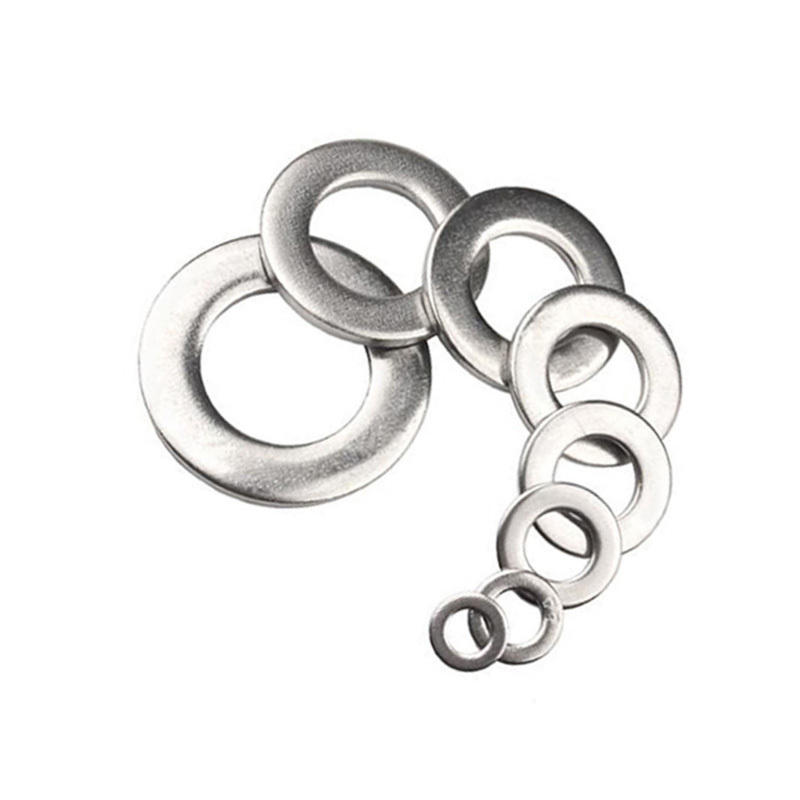
Why You Need Flat Washer DIN125 for Your Industrial Applications
Nov 12,2025
Understanding Stud Bolt DIN 938: A Comprehensive Guide for Industrial Applications
Nov 09,2025

Mainly produces bolts, nuts, washers, full threaded studs, anchor bolts, screws with DIN, BSW, ANIS, MS.


CONTACT US
Yongnian District, Handan City S318 Hebei Province rural credit Cooperative (Yuehua Road) southeast about 170 meters

Mobile website


