
The Importance of Allen Bolts in Industrial Equipment and Components
Sep 07,2023
1. Introduction: The Significance of Allen Bolts in Industrial Equipment
2. What are Allen Bolts?
3. Types of Allen Bolts
3.1 Standard Allen Bolts
3.2 Button Head Allen Bolts
3.3 Socket Head Allen Bolts
3.4 Countersunk Allen Bolts
4. Benefits and Advantages of Using Allen Bolts
4.1 High Tensile Strength and Durability
4.2 Improved Safety and Reliability
4.3 Enhanced Efficiency and Performance
5. Applications of Allen Bolts in Industrial Equipment and Components
5.1 Automotive Industry
5.2 Construction Industry
5.3 Aerospace Industry
5.4 Electrical and Electronics Industry
5.5 Machinery and Equipment Manufacturing Industry
6. Choosing the Right Allen Bolts for Specific Industrial Needs
6.1 Considerations for Material Selection
6.2 Thread Type and Size
6.3 Strength and Load Capacity
7. Frequently Asked Questions (FAQs)
7.1 What are the main advantages of using Allen bolts?
7.2 Can Allen bolts be reused?
7.3 Are Allen bolts resistant to corrosion?
7.4 How do I choose the right Allen bolt for my application?
7.5 Can Allen bolts be used in high-temperature environments?
8. Conclusion
1. Introduction: The Significance of Allen Bolts in Industrial Equipment
Industrial equipment and components play a vital role in various sectors, ranging from automotive and construction to aerospace and electronics. Among the various fasteners used in such equipment, Allen bolts stand out for their exceptional strength, reliability, and versatility. These bolts are trusted by engineers, manufacturers, and technicians worldwide for their ability to secure critical components together and provide a robust connection. In this article, we will explore the importance of Allen bolts in industrial equipment and components and delve into their various types, benefits, applications, and considerations for choosing the right ones.
2. What are Allen Bolts?
Allen bolts, also known as Allen head bolts or socket head cap screws, are fasteners with a hexagonal socket on the head. These bolts are tightened or loosened using an Allen wrench or hex key, which fits precisely into the socket. The hexagonal design of Allen bolts allows for high torque transmission, making them ideal for applications where a secure and tight connection is crucial.
3. Types of Allen Bolts
3.1 Standard Allen Bolts
Standard Allen bolts feature a cylindrical head with a hexagonal socket and a threaded shaft. They are commonly used in various industrial applications where high strength and reliability are required.
3.2 Button Head Allen Bolts
Button head Allen bolts have a low-profile, rounded head with a hexagonal socket and a threaded shaft. These bolts are often used when a flush or low-profile connection is desired, such as in electronic equipment or when aesthetic considerations are important.
3.3 Socket Head Allen Bolts
Socket head Allen bolts have a cylindrical head with a hexagonal socket and a fully threaded shaft. They offer increased tensile strength and are suitable for applications that require a larger load-bearing capacity.
3.4 Countersunk Allen Bolts
Countersunk Allen bolts have a conical head with a hexagonal socket and a threaded shaft. The head is designed to sit flush with or below the surface of the material it is fastening, providing a smooth and aesthetically pleasing finish.
4. Benefits and Advantages of Using Allen Bolts
4.1 High Tensile Strength and Durability
Allen bolts are known for their exceptional tensile strength, which allows them to withstand high loads and prevent loosening under intense vibrations or stress. These bolts are typically made from alloy steel, stainless steel, or titanium, ensuring their durability and resistance to corrosion.
4.2 Improved Safety and Reliability
The secure and tight connection provided by Allen bolts helps enhance the safety and reliability of industrial equipment and components. Their precise fit and high torque transmission minimize the risk of loosening, ensuring that critical components remain securely fastened in demanding operational conditions.
4.3 Enhanced Efficiency and Performance
The use of Allen bolts in industrial equipment and components promotes efficient assembly and disassembly processes. The hexagonal socket design allows for easy access and maneuverability, even in tight spaces. This ease of use translates into time savings during installation, maintenance, and repairs, leading to improved overall operational efficiency.
5. Applications of Allen Bolts in Industrial Equipment and Components
5.1 Automotive Industry
In the automotive industry, Allen bolts find extensive use in engine assembly, transmissions, suspension systems, and various other components. Their superior strength and reliability contribute to the overall safety and performance of vehicles.
5.2 Construction Industry
Allen bolts play a crucial role in construction equipment and structures, including steel frameworks, bridges, and heavy machinery. These fasteners ensure the stability, durability, and integrity of essential components, safeguarding both workers and the structures themselves.
5.3 Aerospace Industry
The aerospace industry relies heavily on Allen bolts for critical applications in aircraft assembly, engines, and avionics. Their high strength, reliability, and resistance to extreme conditions make them indispensable in ensuring the safety and functionality of aerospace systems.
5.4 Electrical and Electronics Industry
In the electrical and electronics industry, Allen bolts are used to secure components and PCBs (printed circuit boards) in various devices, such as computers, smartphones, and industrial control systems. Their low-profile design and ability to provide a flush connection make them suitable for applications where space is limited.
5.5 Machinery and Equipment Manufacturing Industry
Allen bolts are widely utilized in the machinery and equipment manufacturing industry, where they are essential for assembling and securing heavy machinery, tools, and industrial equipment. Their robust connection capabilities enhance the reliability and performance of these systems.
6. Choosing the Right Allen Bolts for Specific Industrial Needs
6.1 Considerations for Material Selection
Selecting the appropriate material for Allen bolts depends on the specific requirements of the application. Alloy steel is commonly used for general-purpose applications, while stainless steel offers excellent corrosion resistance. For specialized industries such as aerospace, titanium is preferred due to its exceptional strength-to-weight ratio.
6.2 Thread Type and Size
Choosing the correct thread type and size is crucial for ensuring a secure and tight connection. It is essential to match the Allen bolt's thread type (metric or imperial) and size to the corresponding nut or threaded hole.
6.3 Strength and Load Capacity
The required strength and load capacity of Allen bolts depend on the specific application and the loads they will be subjected to. Engineers and manufacturers must consider factors such as weight, stress, vibration, and operating conditions to determine the appropriate strength and load capacity of the bolts.
7. Frequently Asked Questions (FAQs)
7.1 What are the main advantages of using Allen bolts?
Allen bolts offer high tensile strength, improved safety and reliability, and enhanced efficiency and performance. Their precise fit and ease of use make them a popular choice in various industries.
7.2 Can Allen bolts be reused?
Yes, Allen bolts can be reused if they are in good condition and have not been subjected to excessive loads or damage. It is essential to inspect the bolts for signs of wear or deformation before reuse.
7.3 Are Allen bolts resistant to corrosion?
The corrosion resistance of Allen bolts depends on the material from which they are made. Stainless steel and titanium Allen bolts offer excellent resistance to corrosion, while alloy steel bolts may require additional protective coatings in corrosive environments.
7.4 How do I choose the right Allen bolt for my application?
To choose the right Allen bolt, consider factors such as material selection, thread type and size, and the required strength and load capacity. Consulting with a trusted supplier or referring to industry standards can help in making an informed decision.
7.5 Can Allen bolts be used in high-temperature environments?
The suitability of Allen bolts for high-temperature environments depends on the material they are made from. Stainless steel and titanium Allen bolts can withstand higher temperatures without losing their strength and integrity.
8. Conclusion
Allen bolts play a crucial role in industrial equipment and components, ensuring the safety, durability, and efficiency of various systems across different sectors. With their high tensile strength, reliability, and ease of use, these fasteners provide a secure and tight connection, even in demanding conditions. By understanding the types, benefits, applications, and considerations for selecting the right Allen bolts, engineers, manufacturers, and technicians can make informed decisions and optimize the performance of industrial machinery and systems.
allen bolts
RELEVANT INFORMATION

Understanding the Importance and Applications of Spring Washer DIN127 in Industrial Fastening
Nov 15,2025
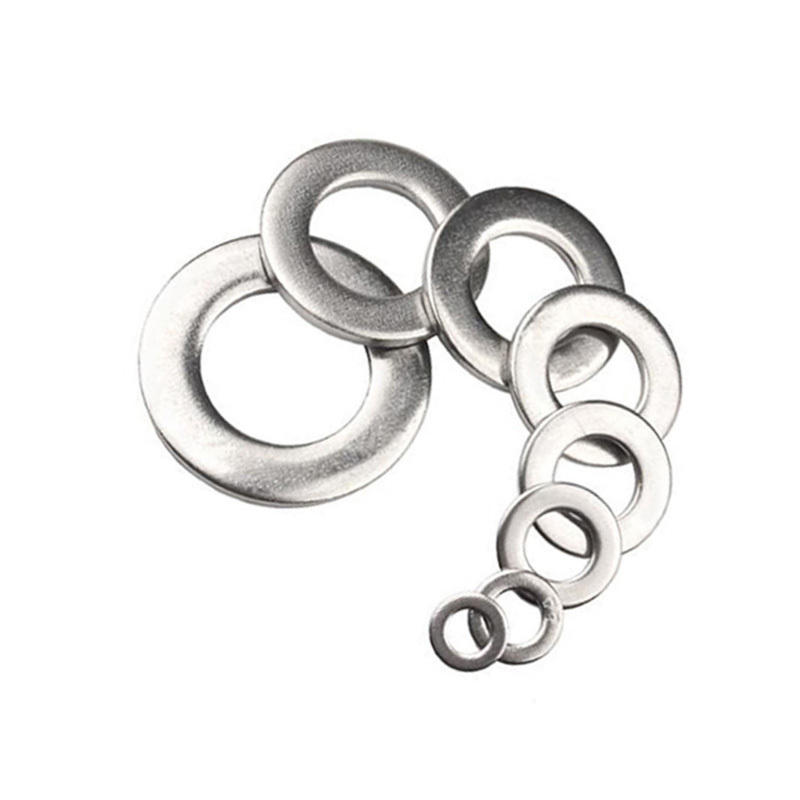
Why You Need Flat Washer DIN125 for Your Industrial Applications
Nov 12,2025
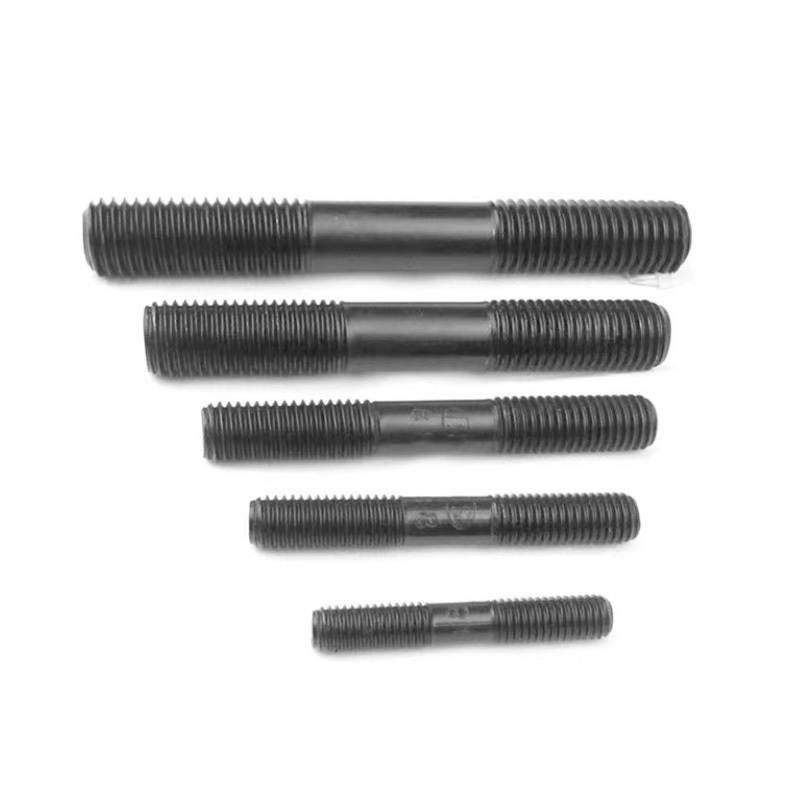
Understanding Stud Bolt DIN 938: A Comprehensive Guide for Industrial Applications
Nov 09,2025

Mainly produces bolts, nuts, washers, full threaded studs, anchor bolts, screws with DIN, BSW, ANIS, MS.


CONTACT US
Yongnian District, Handan City S318 Hebei Province rural credit Cooperative (Yuehua Road) southeast about 170 meters

Mobile website


