
Understanding Hex Bolts: Everything You Need to Know
Sep 06,2023
Hex bolts play a crucial role in the industrial equipment and components industry, particularly in fastening and connecting various parts securely. This article will guide you through the basics of hex bolts, their uses, and important factors to consider when selecting the right ones for your application.
1. What are Hex Bolts?
Hex bolts, also known as hexagon head bolts or hex cap screws, are thr
Hex bolts play a crucial role in the industrial equipment and components industry, particularly in fastening and connecting various parts securely. This article will guide you through the basics of hex bolts, their uses, and important factors to consider when selecting the right ones for your application.
1. What are Hex Bolts?
Hex bolts, also known as hexagon head bolts or hex cap screws, are threaded fasteners with a hexagonal head and a threaded shaft. These bolts are typically made of steel, making them strong and durable. The hexagonal head allows for easy installation and removal using a wrench or a socket.
2. Common Uses of Hex Bolts:
Hex bolts are widely used in various industries due to their versatility. Some common applications include:
- Construction: Hex bolts are used to secure structural components, such as beams and columns, ensuring the stability and integrity of buildings.
- Automotive: These bolts are essential for assembling engines, chassis, and other critical automotive parts.
- Machinery: Hex bolts are utilized to connect different machine components, ensuring proper functionality and safety.
- Manufacturing: Hex bolts are commonly employed in the manufacturing process to fasten different parts together.
3. Types of Hex Bolts:
Hex bolts come in various types to meet specific application requirements:
- Fully Threaded Hex Bolts: These bolts have threads along the entire shaft and are ideal for applications where maximum grip is necessary.
- Partially Threaded Hex Bolts: These bolts have a threaded portion on a specific length of the shaft, allowing for a combination of tight fastening and clearance.
- Tap Bolts: Tap bolts have a fully threaded shaft and are used in applications where a smooth surface without protruding threads is required.
4. Considerations for Selecting Hex Bolts:
When choosing hex bolts for your specific application, consider the following factors:
- Size and Length: Ensure the bolt size and length are suitable for the materials being fastened.
- Thread Type: Determine the appropriate thread type, such as fine threads or coarse threads, based on the application requirements.
- Material and Coating: Select a material and coating that offer the necessary strength, corrosion resistance, and durability for the environment in which the bolts will be used.
Remember, choosing the right hex bolts is crucial to ensuring the safety and efficiency of your equipment or structure. Consult with professionals or refer to industry standards for specific guidelines based on your requirements.
In conclusion, hex bolts are essential components in the industrial equipment and components industry. By understanding their uses, types, and crucial considerations, you can confidently select hex bolts that meet your specific needs. Always prioritize safety and quality when choosing and installing hex bolts for your projects.
1. What are Hex Bolts?
Hex bolts, also known as hexagon head bolts or hex cap screws, are threaded fasteners with a hexagonal head and a threaded shaft. These bolts are typically made of steel, making them strong and durable. The hexagonal head allows for easy installation and removal using a wrench or a socket.
2. Common Uses of Hex Bolts:
Hex bolts are widely used in various industries due to their versatility. Some common applications include:
- Construction: Hex bolts are used to secure structural components, such as beams and columns, ensuring the stability and integrity of buildings.
- Automotive: These bolts are essential for assembling engines, chassis, and other critical automotive parts.
- Machinery: Hex bolts are utilized to connect different machine components, ensuring proper functionality and safety.
- Manufacturing: Hex bolts are commonly employed in the manufacturing process to fasten different parts together.
3. Types of Hex Bolts:
Hex bolts come in various types to meet specific application requirements:
- Fully Threaded Hex Bolts: These bolts have threads along the entire shaft and are ideal for applications where maximum grip is necessary.
- Partially Threaded Hex Bolts: These bolts have a threaded portion on a specific length of the shaft, allowing for a combination of tight fastening and clearance.
- Tap Bolts: Tap bolts have a fully threaded shaft and are used in applications where a smooth surface without protruding threads is required.
4. Considerations for Selecting Hex Bolts:
When choosing hex bolts for your specific application, consider the following factors:
- Size and Length: Ensure the bolt size and length are suitable for the materials being fastened.
- Thread Type: Determine the appropriate thread type, such as fine threads or coarse threads, based on the application requirements.
- Material and Coating: Select a material and coating that offer the necessary strength, corrosion resistance, and durability for the environment in which the bolts will be used.
Remember, choosing the right hex bolts is crucial to ensuring the safety and efficiency of your equipment or structure. Consult with professionals or refer to industry standards for specific guidelines based on your requirements.
In conclusion, hex bolts are essential components in the industrial equipment and components industry. By understanding their uses, types, and crucial considerations, you can confidently select hex bolts that meet your specific needs. Always prioritize safety and quality when choosing and installing hex bolts for your projects.
hex bolts
RELEVANT INFORMATION

Understanding the Importance and Applications of Spring Washer DIN127 in Industrial Fastening
In the industrial equipment and components sector, the Spring Washer DIN127 stands out as a crucial fastening element. Its distinctive design serves to maintain tension and prevent loosening of screws and bolts under various conditions. This article explores the characteristics and applications of the Spring Washer DIN127, providing valuable insights for professionals in the field.
The Spring Wash
Nov 15,2025
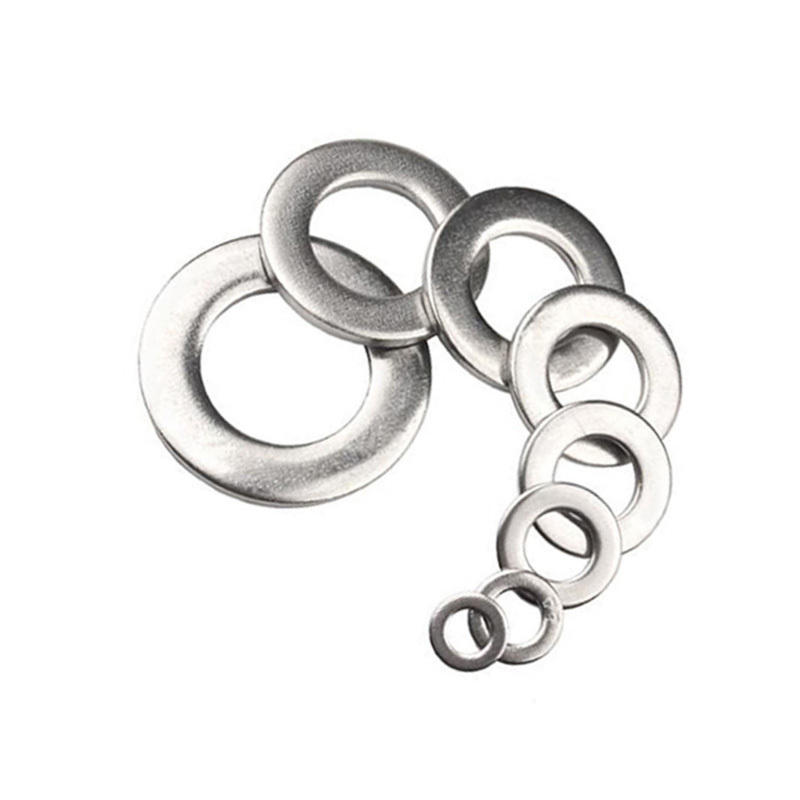
Why You Need Flat Washer DIN125 for Your Industrial Applications
Why You Need Flat Washer DIN125 for Your Industrial Applications
Introduction: Understanding Flat Washers in Industrial Applications
In the realm of industrial equipment and components, the importance of effective fastening cannot be overstated. Among the myriad of fastening solutions available, **Flat Washer DIN125** stands out as a crucial component that enhances the reliability and performanc
Nov 12,2025
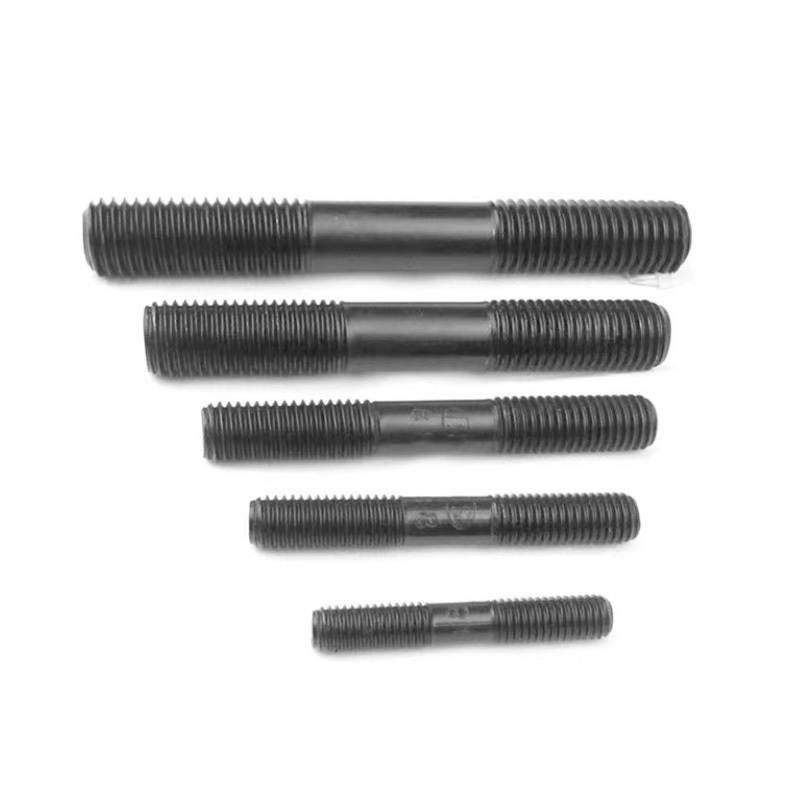
Understanding Stud Bolt DIN 938: A Comprehensive Guide for Industrial Applications
---
Stud Bolts are essential components in various industrial applications, and the DIN 938 specification outlines specific standards for these fasteners. A Stud Bolt is essentially a long bolt with no head, featuring threads on both ends. It is used in conjunction with nuts to create a secure joint between two or more parts. The DIN 938 standard specifies dimensions, mechanical properties, and to
Nov 09,2025

Mainly produces bolts, nuts, washers, full threaded studs, anchor bolts, screws with DIN, BSW, ANIS, MS.


CONTACT US
Yongnian District, Handan City S318 Hebei Province rural credit Cooperative (Yuehua Road) southeast about 170 meters

Mobile website


