
Unleash the Power of Flange Nuts in Industrial Applications
Oct 01,2024
Unleash the Power of Flange Nuts in Industrial Applications
Flange nuts have emerged as a pivotal component in various industrial applications. Their unique design simplifies installation and offers enhanced stability in fastening systems. In this article, we will delve into the various aspects of flange nuts, including their types, applications, advantages, and best practices for use in industrial settings.
Table of Contents
1. Introduction to Flange Nuts
2. The Design and Structure of Flange Nuts
3. Types of Flange Nuts and Their Uses
3.1 Standard Flange Nuts
3.2 Serrated Flange Nuts
3.3 Locking Flange Nuts
4. Advantages of Using Flange Nuts in Industrial Applications
4.1 Enhanced Stability and Load Distribution
4.2 Corrosion Resistance and Durability
5. Applications of Flange Nuts in Various Industries
5.1 Automotive Industry
5.2 Construction and Infrastructure
5.3 Manufacturing and Machinery
6. Best Practices for Installing Flange Nuts
6.1 Proper Torque Specifications
6.2 Surface Preparation and Compatibility
7. Common FAQs about Flange Nuts
8. Conclusion
1. Introduction to Flange Nuts
Flange nuts are specialized fasteners that feature a wide, flat base which serves as a kind of integrated washer. This design allows for better load distribution and improved resistance against loosening. In industrial environments where vibration and dynamic loads are prevalent, flange nuts provide a critical solution for secure fastening.
2. The Design and Structure of Flange Nuts
The unique design of flange nuts sets them apart from traditional nuts. The flange, or extended base, increases the surface area that comes into contact with the material being fastened. This feature enhances the nut's ability to resist stripping and provides better grip under heavy loads. Additionally, flange nuts can be manufactured from a variety of materials, including steel, stainless steel, and plastic, allowing for application in diverse environments.
3. Types of Flange Nuts and Their Uses
Understanding the different types of flange nuts is crucial for selecting the right fastener for your industrial application.
3.1 Standard Flange Nuts
Standard flange nuts are the most commonly used type. Their broad base allows for efficient load distribution, making them suitable for a variety of applications, from general construction to light machinery.
3.2 Serrated Flange Nuts
Serrated flange nuts come equipped with a serrated surface on the bottom of the flange. This feature enhances friction between the nut and the surface it is fastened to, providing superior resistance to loosening due to vibration. They are often used in automotive and aerospace applications, where high levels of vibration are common.
3.3 Locking Flange Nuts
Locking flange nuts are designed with additional features to prevent loosening. This can include nylon inserts or other locking mechanisms. They provide an extra layer of security, making them ideal for high-stress applications, such as in heavy machinery and structural components.
4. Advantages of Using Flange Nuts in Industrial Applications
The benefits of using flange nuts extend beyond mere convenience. Here are some significant advantages:
4.1 Enhanced Stability and Load Distribution
Flange nuts effectively distribute the load across a larger surface area, which minimizes the risk of damage to the materials being fastened. This characteristic is particularly valuable in applications involving load-bearing components.
4.2 Corrosion Resistance and Durability
Many flange nuts are treated for corrosion resistance, making them suitable for use in harsh environments. Their durability ensures a longer service life, reducing the frequency of replacements and repairs.
5. Applications of Flange Nuts in Various Industries
Flange nuts find applications across multiple industries due to their versatile design.
5.1 Automotive Industry
In the automotive sector, flange nuts are used in various assemblies, including engine mounts, suspension systems, and chassis components. Their vibration resistance is crucial for maintaining the integrity of these systems over time.
5.2 Construction and Infrastructure
In construction, flange nuts secure steel beams, trusses, and other structural components. Their ability to provide a stable fastening solution is vital for ensuring the safety and longevity of buildings and infrastructure.
5.3 Manufacturing and Machinery
Flange nuts are commonly employed in the assembly of machinery and equipment, where they help secure moving parts. Their reliability under dynamic loads makes them essential in ensuring operational efficiency.
6. Best Practices for Installing Flange Nuts
To maximize the benefits of flange nuts, it’s essential to follow best practices during installation.
6.1 Proper Torque Specifications
Adhering to the manufacturer’s torque specifications is crucial. Over-tightening can lead to deformation, while under-tightening can result in loosening. Always use a calibrated torque wrench to ensure accuracy.
6.2 Surface Preparation and Compatibility
Before installation, ensure that the surfaces being fastened are clean and free from debris, rust, or oil. This preparation helps in achieving maximum friction and load distribution.
7. Common FAQs about Flange Nuts
**Q1: What is the primary advantage of using flange nuts?**
A1: The primary advantage is their ability to distribute load evenly, reducing the risk of damage to materials.
**Q2: Can flange nuts be used in outdoor applications?**
A2: Yes, many flange nuts are designed with corrosion-resistant materials, making them suitable for outdoor use.
**Q3: What are the differences between standard and serrated flange nuts?**
A3: Standard flange nuts have a smooth base, while serrated flange nuts have a serrated surface for enhanced grip under vibration.
**Q4: Are there specific torque values for flange nuts?**
A4: Torque values vary based on the application and material. Always refer to manufacturer guidelines for specific recommendations.
**Q5: Can flange nuts be reused?**
A5: While it is possible to reuse flange nuts, it is advisable to inspect them for wear and damage before reuse to ensure safety and effectiveness.
8. Conclusion
Flange nuts serve as a powerful ally in industrial applications, offering enhanced stability, load distribution, and resistance to vibration. Their unique design and versatility make them indispensable across various sectors, including automotive, construction, and manufacturing. By adhering to best practices and understanding their specific applications, industries can unleash the full potential of flange nuts, leading to improved efficiency and safety in their operations.
Flange Nut DIN6923
RELEVANT INFORMATION

Understanding the Importance and Applications of Spring Washer DIN127 in Industrial Fastening
Nov 15,2025
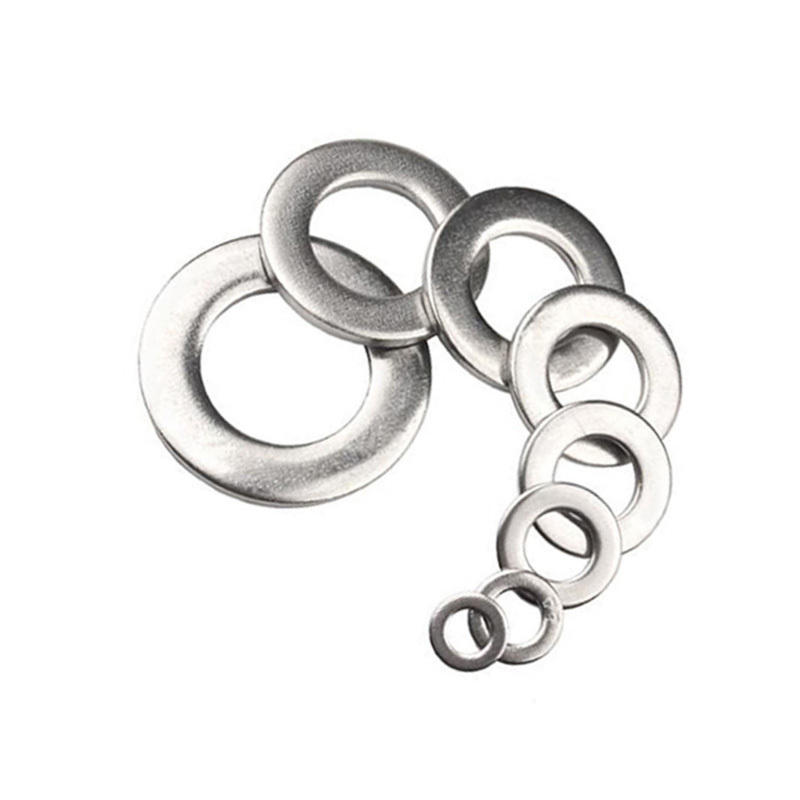
Why You Need Flat Washer DIN125 for Your Industrial Applications
Nov 12,2025
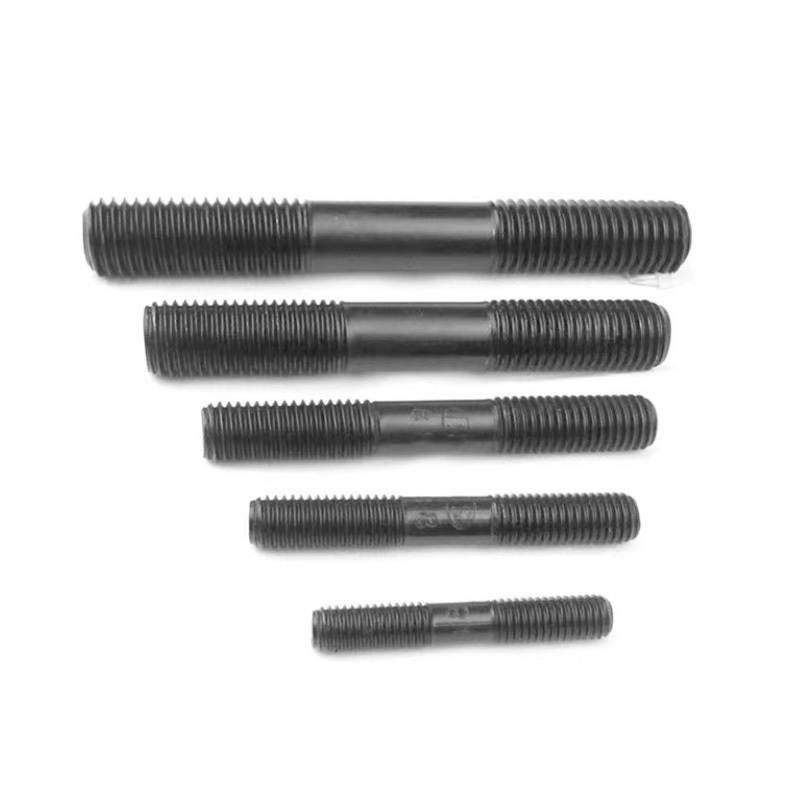
Understanding Stud Bolt DIN 938: A Comprehensive Guide for Industrial Applications
Nov 09,2025

Mainly produces bolts, nuts, washers, full threaded studs, anchor bolts, screws with DIN, BSW, ANIS, MS.


CONTACT US
Yongnian District, Handan City S318 Hebei Province rural credit Cooperative (Yuehua Road) southeast about 170 meters

Mobile website


