
Understanding the Importance of Cap Nuts in Industrial Applications
Oct 09,2024
Understanding the Importance of Cap Nuts in Industrial Applications
Table of Contents
- 1. Introduction to Cap Nuts
- 2. What are Cap Nuts?
- 3. Types of Cap Nuts
- 4. Applications of Cap Nuts in Industry
- 5. Benefits of Using Cap Nuts
- 6. Factors to Consider When Choosing Cap Nuts
- 7. Installation and Maintenance Tips
- 8. FAQs about Cap Nuts
- 9. Conclusion
1. Introduction to Cap Nuts
Cap nuts have become essential components in modern industrial applications due to their unique designs and functional benefits. As a type of fastener, they play a pivotal role in securing and protecting various assemblies. In this article, we will delve into the importance of cap nuts, exploring their types, applications, benefits, and the critical factors to consider when selecting the right cap nuts for your industrial needs.
2. What are Cap Nuts?
Cap nuts, often referred to as closed nuts or domed nuts, are fasteners designed to cover the exposed ends of bolts or screws. They typically have a rounded or domed shape, which not only enhances aesthetics but also provides superior protection against environmental factors, such as moisture and contaminants. The closed design helps in preventing damage to the threads of bolts and offers additional safety by shielding sharp edges.
3. Types of Cap Nuts
Cap nuts are available in various styles and materials, each serving different functions and environments. Understanding the types of cap nuts can significantly influence their effectiveness in an application.
3.1 Hex Cap Nuts
Hex cap nuts are perhaps the most common type. With their hexagonal shape, they can be easily tightened with a wrench or socket. They are primarily used in applications where a secure fit is required, making them suitable for heavy-duty machinery and structures.
3.2 Acorn Cap Nuts
Acorn cap nuts feature a rounded top and are often used in situations where aesthetics are important. They are popular in automotive applications, furniture manufacturing, and other industries where the exposed ends of bolts need to be covered for both appearance and safety.
3.3 Round Cap Nuts
Round cap nuts have a dome shape and are used in light-duty applications. They are often employed in consumer products, electronics, and other areas where aesthetic appeal is combined with functional protection.
4. Applications of Cap Nuts in Industry
Cap nuts find their way into a myriad of industrial applications. From automotive to construction, their versatility and functionality make them indispensable:
- **Automotive Manufacturing:** Cap nuts are extensively used in vehicle assembly to cover exposed screw ends, providing safety and a polished look.
- **Construction:** In construction, cap nuts help secure structural elements, ensuring that components remain tightly fastened even under stress.
- **Electronics:** Cap nuts protect sensitive components in electronic devices, preventing short circuits caused by exposed metal.
- **Furniture Making:** Many modern furniture designs incorporate cap nuts to provide a clean finish while ensuring durability.
5. Benefits of Using Cap Nuts
The advantages of using cap nuts in industrial applications are numerous:
- **Protection:** Cap nuts shield the threads of bolts and screws from dirt and moisture, reducing corrosion and prolonging service life.
- **Safety:** They cover sharp edges and prevent injuries, making them ideal for public-facing products.
- **Aesthetics:** With various designs available, cap nuts enhance the visual appeal of machinery and products.
- **Versatility:** Cap nuts come in different sizes and materials, making them adaptable to various applications and industries.
6. Factors to Consider When Choosing Cap Nuts
Selecting the right cap nut requires careful consideration of several factors:
- **Material:** The choice of material affects durability and resistance to environmental factors. Common materials include stainless steel, plastic, and brass.
- **Size:** Ensuring that the cap nut fits correctly with the bolt or screw is crucial for its effectiveness.
- **Thread Type:** Compatibility with the thread type (e.g., fine or coarse) must be assessed to ensure proper fastening.
- **Environmental Conditions:** Consideration of the operating environment (e.g., exposure to moisture, heat, or chemicals) can influence material selection.
7. Installation and Maintenance Tips
Proper installation and maintenance of cap nuts can enhance their performance and longevity:
- **Correct Tools:** Always use the appropriate tools for installing cap nuts to avoid damage.
- **Torque Specifications:** Follow manufacturer torque specifications to prevent over-tightening or loosening.
- **Regular Inspection:** Conduct periodic checks for wear or damage, especially in high-stress applications.
8. FAQs about Cap Nuts
**Q1: What materials are commonly used for cap nuts?**
A1: Cap nuts are often made from materials such as stainless steel, brass, aluminum, and plastic, each offering different levels of durability and corrosion resistance.
**Q2: Can cap nuts be reused?**
A2: Yes, cap nuts can be reused if they are not damaged and the threads are still intact. However, it is recommended to inspect them thoroughly before reuse.
**Q3: How do I determine the correct size cap nut for my application?**
A3: The correct size can be determined by measuring the diameter and thread pitch of the bolt or screw that the cap nut will be used with.
**Q4: Are there specific cap nuts for high-temperature applications?**
A4: Yes, certain materials like stainless steel or specific high-temperature plastics are suitable for applications exposed to high temperatures.
**Q5: What is the difference between acorn cap nuts and hex cap nuts?**
A5: Acorn cap nuts have a rounded top and are primarily used for aesthetic purposes, while hex cap nuts have a flat top and are designed for heavy-duty applications.
9. Conclusion
In conclusion, cap nuts are essential components in industrial applications, providing both functional and aesthetic benefits. Their ability to protect exposed threads, enhance safety, and improve the appearance of machinery makes them invaluable across various sectors. By understanding the different types of cap nuts, their applications, benefits, and factors to consider when selecting them, industrial professionals can make informed choices that enhance their operations. Whether you are involved in automotive manufacturing, construction, or electronics, recognizing the significance of cap nuts will contribute to the success of your projects.
Cap nut DIN1587
RELEVANT INFORMATION

Understanding the Importance and Applications of Spring Washer DIN127 in Industrial Fastening
Nov 15,2025
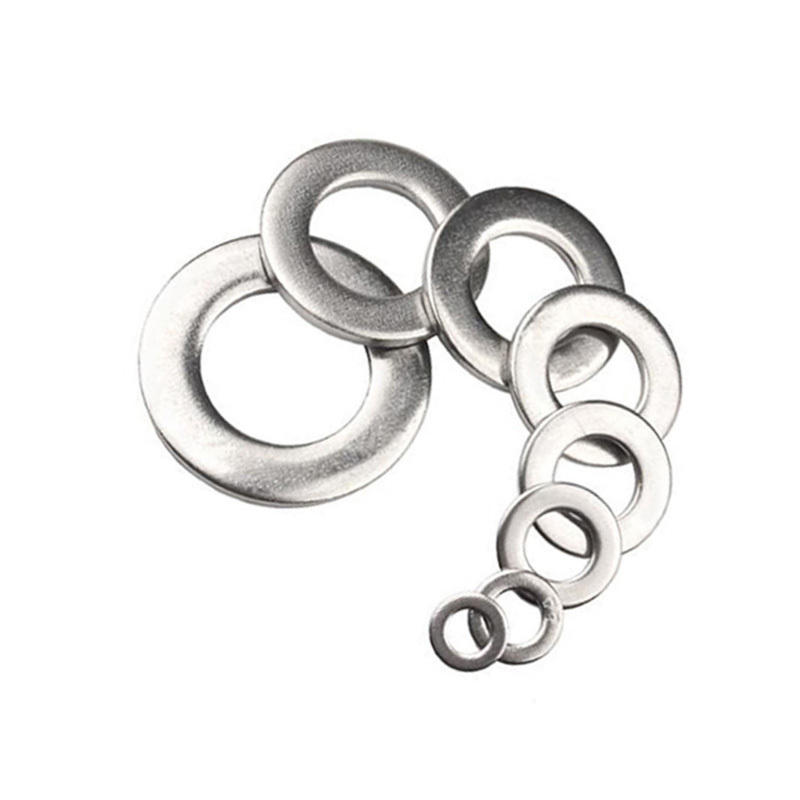
Why You Need Flat Washer DIN125 for Your Industrial Applications
Nov 12,2025
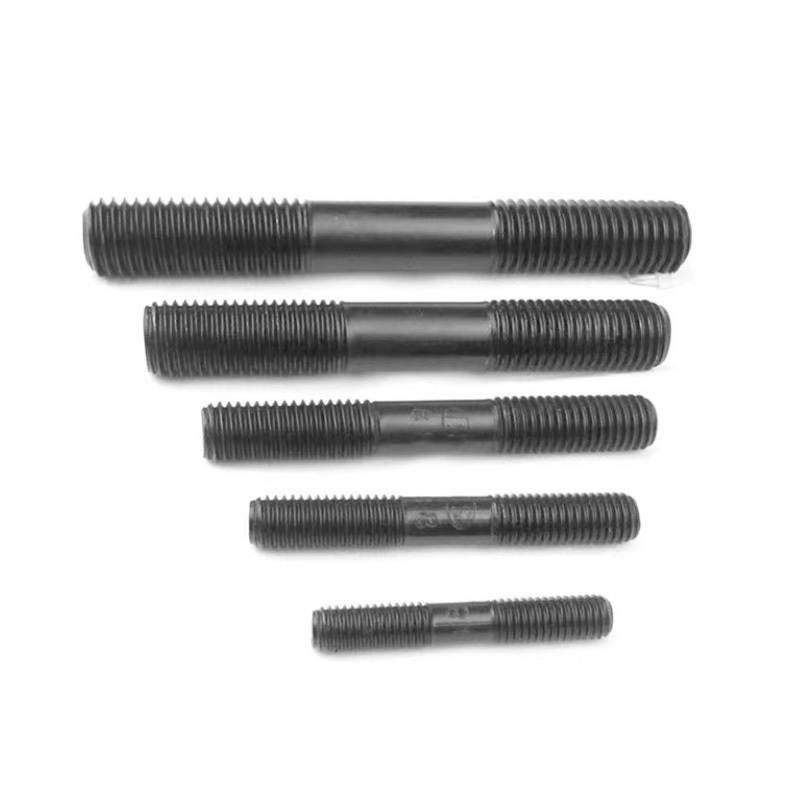
Understanding Stud Bolt DIN 938: A Comprehensive Guide for Industrial Applications
Nov 09,2025

Mainly produces bolts, nuts, washers, full threaded studs, anchor bolts, screws with DIN, BSW, ANIS, MS.


CONTACT US
Yongnian District, Handan City S318 Hebei Province rural credit Cooperative (Yuehua Road) southeast about 170 meters

Mobile website


