
Why Wing Bolts Are Essential for Reliable Connections in Equipment
Sep 01,2025
Why Wing Bolts Are Essential for Reliable Connections in Equipment
Introduction to Wing Bolts and Their Importance
In the realm of industrial equipment and components, **wing bolts** play an indispensable role in creating reliable connections. These unique fasteners, characterized by their distinctive wing-shaped nuts, are engineered to provide both ease of use and exceptional strength. Their design allows for tool-free installation and removal, making them particularly valuable in applications where frequent adjustments are necessary. In this article, we will delve into why wing bolts are essential, their construction, applications, and best practices for use.
The Unique Design of Wing Bolts
Wing bolts feature a threaded shaft and two protruding “wings” that enable users to tighten or loosen the bolt easily by hand. This design eliminates the need for additional tools, making them a convenient choice for various industrial applications. Typically made from high-strength materials such as stainless steel or carbon steel, wing bolts offer resistance to corrosion and wear, further enhancing their reliability in demanding environments.
The Mechanics Behind Wing Bolts
Understanding the mechanics of wing bolts is crucial for recognizing their advantages. The wings provide leverage, allowing for a secure grip when tightening or loosening the bolt. This ergonomic design significantly reduces the risk of damaging the bolt or the surrounding materials, promoting longevity and reliability. Additionally, the threads on the shaft are precision-engineered to ensure a snug fit, preventing loosening due to vibrations or movement.
Advantages of Using Wing Bolts
Wing bolts come with a plethora of benefits that make them a preferred choice in various industries. Below are some key advantages:
1. Tool-Free Operation
One of the standout features of wing bolts is their tool-free operation. This design facilitates quick adjustments, making them ideal for temporary setups or applications requiring frequent disassembly.
2. Enhanced Grip and Control
The wing design offers an exceptional grip, allowing users to apply sufficient torque without slipping. This control is vital in maintaining the integrity of connections under varying conditions.
3. Versatility in Applications
Wing bolts are versatile and find utility in numerous applications, including machinery assembly, construction projects, and automotive components. Their adaptability makes them suitable for both permanent and temporary connections.
4. Resistance to Environmental Factors
Manufactured from robust materials, wing bolts can withstand harsh environmental conditions such as moisture, heat, and chemicals. This resistance ensures that they maintain their functionality over time, even in demanding settings.
5. Cost-Effective Solution
Wing bolts offer a cost-effective fastening solution due to their durability and longevity. Investing in high-quality wing bolts can reduce maintenance costs and prolong the life of equipment.
Common Applications of Wing Bolts
The versatility of wing bolts allows them to be utilized across various sectors. Here are some common applications:
1. Machinery Assembly
In manufacturing and industrial settings, wing bolts are frequently used in machinery assembly. Their ease of use enables quick assembly and disassembly, crucial for maintenance or upgrades.
2. Automotive Industry
In the automotive industry, wing bolts find application in securing body panels and other components. Their reliable fastening ensures that parts remain securely attached, even during high-speed operation.
3. Furniture Assembly
Wing bolts are also popular in the furniture industry, particularly for flat-pack furniture. Consumers appreciate the tool-free assembly, making it accessible to a broader audience.
4. Outdoor Equipment
For outdoor equipment such as tents and camping gear, wing bolts provide a secure connection that can be easily adjusted in the field, ensuring reliability in unpredictable weather conditions.
5. Electrical Enclosures
In electrical setups, wing bolts are used to secure enclosures and panels. Their resistance to corrosion ensures that connections are safe and durable, protecting sensitive components from environmental damage.
Best Practices for Using Wing Bolts
To maximize the effectiveness of wing bolts, adhering to best practices is crucial. Here are some guidelines:
1. Choose the Right Size
Selecting the appropriate size of wing bolts is essential for achieving a secure connection. Ensure that the bolt length and diameter match the requirements of the application.
2. Inspect for Damage
Before installation, inspect wing bolts for any signs of damage or wear. Damaged bolts can compromise the integrity of connections and lead to failure.
3. Maintain Proper Torque
While wing bolts are designed for tool-free operation, applying consistent torque is vital. Over-tightening can lead to stripping threads, while under-tightening can result in loose connections.
4. Store Properly
Store wing bolts in a dry, cool place to prevent corrosion. Proper storage extends their lifespan and maintains their functionality.
5. Regular Maintenance Checks
Conduct regular maintenance checks on connections secured with wing bolts. This practice helps identify any potential issues before they escalate, ensuring reliable performance.
Wing Bolts vs. Other Fasteners
When comparing wing bolts to other fastening solutions, several key differences emerge. Understanding these differences can help in choosing the right fastener for specific applications.
1. Wing Bolts vs. Standard Bolts
While standard bolts require tools for installation and removal, wing bolts provide the convenience of tool-free operation. This ease of use makes wing bolts more suitable for applications requiring frequent adjustments.
2. Wing Bolts vs. Lock Nuts
Lock nuts are designed to resist loosening due to vibrations, but they often require tools for adjustment. Wing bolts, on the other hand, allow users to make quick adjustments without tools, making them preferable for tasks requiring flexibility.
3. Wing Bolts vs. Screws
Screws can offer more permanent connections but are often more challenging to remove. Wing bolts provide a balance between strong connections and easy disassembly, making them ideal for temporary setups.
Conclusion
In conclusion, wing bolts are essential fasteners that ensure reliable connections in various industrial and everyday applications. Their unique design offers tool-free operation, enhanced grip, and versatility, making them suitable for a multitude of uses. By understanding the advantages and best practices associated with wing bolts, you can make informed decisions that enhance the performance and reliability of your equipment. Investing in high-quality wing bolts not only simplifies assembly but also contributes to the longevity and durability of your projects. Whether you're working in machinery, automotive, or outdoor equipment, wing bolts are a vital component for securing dependable connections.
FAQs
1. What materials are wing bolts made from?
Wing bolts are typically made from high-strength materials like stainless steel or carbon steel, providing excellent durability and corrosion resistance.
2. Can wing bolts be reused?
Yes, wing bolts can be reused, provided they are inspected for damage before each use. If the threads or wings are stripped, it’s best to replace them.
3. How do I determine the right size of wing bolt for my application?
To determine the right size, consider the thickness of the materials being joined and the specific load requirements. Refer to manufacturer specifications for guidance.
4. Are wing bolts suitable for outdoor use?
Absolutely! Wing bolts exhibit excellent corrosion resistance, making them suitable for outdoor applications. However, ensure that the material used is appropriate for the environmental conditions.
5. How often should I inspect wing bolts in use?
Regular inspections should be conducted, particularly in high-vibration environments or applications where adjustments are frequently made. This practice helps maintain connection integrity and safety.
Wing Bolts
RELEVANT INFORMATION

Understanding the Importance and Applications of Spring Washer DIN127 in Industrial Fastening
Nov 15,2025
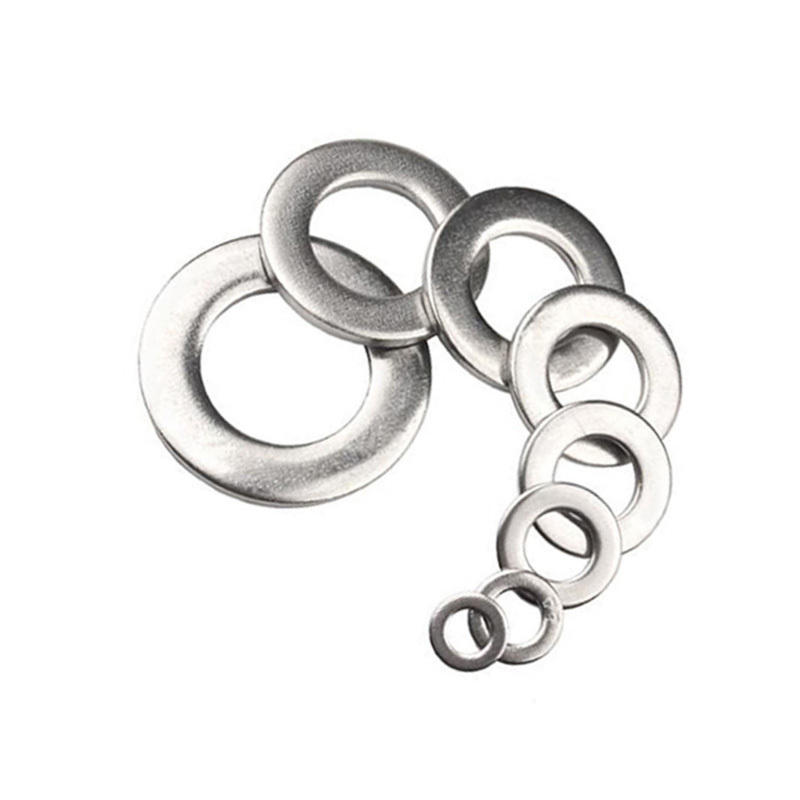
Why You Need Flat Washer DIN125 for Your Industrial Applications
Nov 12,2025
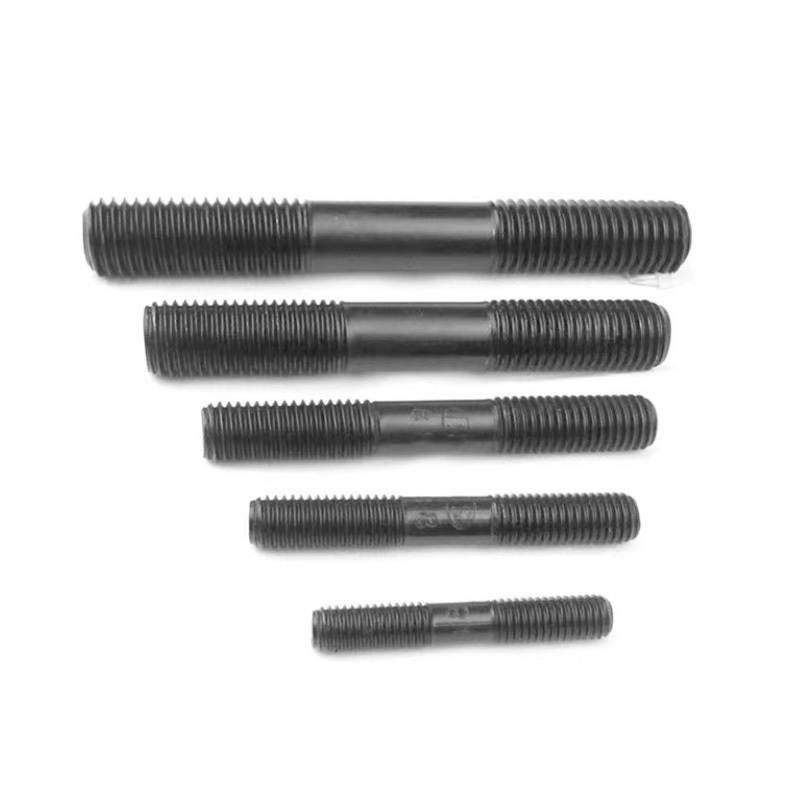
Understanding Stud Bolt DIN 938: A Comprehensive Guide for Industrial Applications
Nov 09,2025

Mainly produces bolts, nuts, washers, full threaded studs, anchor bolts, screws with DIN, BSW, ANIS, MS.


CONTACT US
Yongnian District, Handan City S318 Hebei Province rural credit Cooperative (Yuehua Road) southeast about 170 meters

Mobile website


