
A Deep Dive into Hex Bolts: Understanding Their Role in Fastening Solutions
Aug 14,2025
A Deep Dive into Hex Bolts: Understanding Their Role in Fastening Solutions
Table of Contents
- What Are Hex Bolts?
- Types of Hex Bolts
- Materials Used in Hex Bolts
- Applications of Hex Bolts
- Installation Techniques for Hex Bolts
- Benefits of Using Hex Bolts
- Maintenance of Hex Bolts
- Common FAQs About Hex Bolts
- Conclusion
What Are Hex Bolts?
Hex bolts are a type of fastener characterized by their six-sided head, allowing for easy handling and installation with standard tools. They are designed to be used in conjunction with nuts and are typically made from steel, stainless steel, or other durable materials. The primary function of hex bolts is to provide a strong, secure connection between two or more components, making them an essential component in various assemblies and constructions.
Types of Hex Bolts
Understanding the different types of hex bolts can greatly aid in selecting the right fastener for your project. Here are some commonly used types:
1. Standard Hex Bolts
Standard hex bolts are the most widely used and can be found in various lengths and diameters. They are often used in structural applications and machinery.
2. Flanged Hex Bolts
Flanged hex bolts feature a built-in washer known as a flange. This design helps distribute load and provides a larger bearing surface, reducing the risk of damage to the connected material.
3. Carriage Bolts
Carriage bolts are similar to hex bolts but have a rounded head and a square neck designed to prevent rotation during installation. They are often used in wood applications.
4. Socket Head Hex Bolts
Socket head hex bolts have a cylindrical head with an internal hexagonal drive. They are ideal for applications where space is limited and provide a more secure fastening option.
Materials Used in Hex Bolts
The material of a hex bolt significantly influences its performance and application suitability. Here are common materials used:
1. Carbon Steel
Carbon steel hex bolts are strong and cost-effective, making them suitable for general-purpose applications. They can be coated for corrosion resistance.
2. Stainless Steel
Stainless steel hex bolts offer excellent corrosion resistance, making them ideal for outdoor and marine applications. They provide durability while maintaining a polished appearance.
3. Alloy Steel
Alloy steel hex bolts are engineered for high-strength applications and are often heat-treated for enhanced performance in demanding environments.
Applications of Hex Bolts
Hex bolts play an integral role in many industries. Here are some common applications:
1. Construction
In construction, hex bolts are used to secure beams, columns, and other structural elements, ensuring the integrity of the building.
2. Machinery
Hex bolts fasten machine components, providing stability and safety in various mechanical systems.
3. Automotive
In automotive manufacturing, hex bolts secure engine parts, suspension systems, and chassis components, contributing to overall vehicle safety.
4. Furniture
Hex bolts are frequently used in furniture assembly, providing strong connections that ensure durability and longevity.
Installation Techniques for Hex Bolts
Proper installation of hex bolts is crucial for achieving the desired strength and safety. Here are essential techniques to consider:
1. Preparation
Ensure that the surfaces to be fastened are clean and free from debris. This step is vital to achieve a secure connection.
2. Alignment
Align the components properly before inserting the hex bolt. Misalignment can lead to stress concentrations and potential failure.
3. Torque Specifications
Apply the appropriate torque when tightening hex bolts to ensure a secure connection without over-stressing the material.
Benefits of Using Hex Bolts
Choosing hex bolts for fastening solutions comes with numerous advantages:
1. Versatility
Hex bolts are versatile and can be used in a wide range of applications across various industries.
2. Strength
They provide a robust fastening solution, ensuring strong connections that withstand vibrations and dynamic loads.
3. Ease of Installation
Hex bolts can be easily installed using common tools, reducing labor time and costs.
4. Corrosion Resistance
Many hex bolts are available with coatings that enhance their resistance to corrosion, prolonging their lifespan in harsh environments.
Maintenance of Hex Bolts
Regular maintenance of hex bolts is essential to ensure their longevity and performance:
1. Inspection
Regularly inspect the condition of hex bolts for signs of wear, corrosion, or loosening. Early detection can prevent failures.
2. Lubrication
Consider applying a suitable lubricant to threaded areas to reduce friction and promote smooth operation.
3. Retightening
Periodically retighten hex bolts, especially in applications subject to vibrations, to maintain the integrity of the connection.
Common FAQs About Hex Bolts
1. What is the difference between hex bolts and hex screws?
Hex bolts are designed to be used with nuts and are typically longer, whereas hex screws are threaded along their entire length and are designed to be driven directly into materials.
2. Can hex bolts be reused?
Hex bolts can often be reused, but it is essential to inspect them for damage or wear before reinstallation.
3. How do I choose the right size hex bolt?
When selecting a hex bolt, consider the application load requirements, the material being fastened, and the thickness of the components.
4. Are there specific torque specifications for hex bolts?
Yes, torque specifications vary based on bolt size, material, and application. Always refer to the manufacturer's guidelines for the correct torque settings.
5. What coatings are available for hex bolts?
Common coatings for hex bolts include zinc plating, black oxide, and galvanization, which enhance corrosion resistance and durability.
Conclusion
Hex bolts are undeniably a cornerstone in fastening solutions, offering strength, versatility, and ease of use. With a wide variety of types, materials, and applications, hex bolts cater to diverse industrial needs. Understanding their characteristics, installation techniques, and maintenance practices ensures optimal performance and longevity. By investing in quality hex bolts and adhering to best practices, you can enhance the reliability of your projects, making them safer and more durable.
Hex Bolts
RELEVANT INFORMATION

Understanding the Importance and Applications of Spring Washer DIN127 in Industrial Fastening
Nov 15,2025
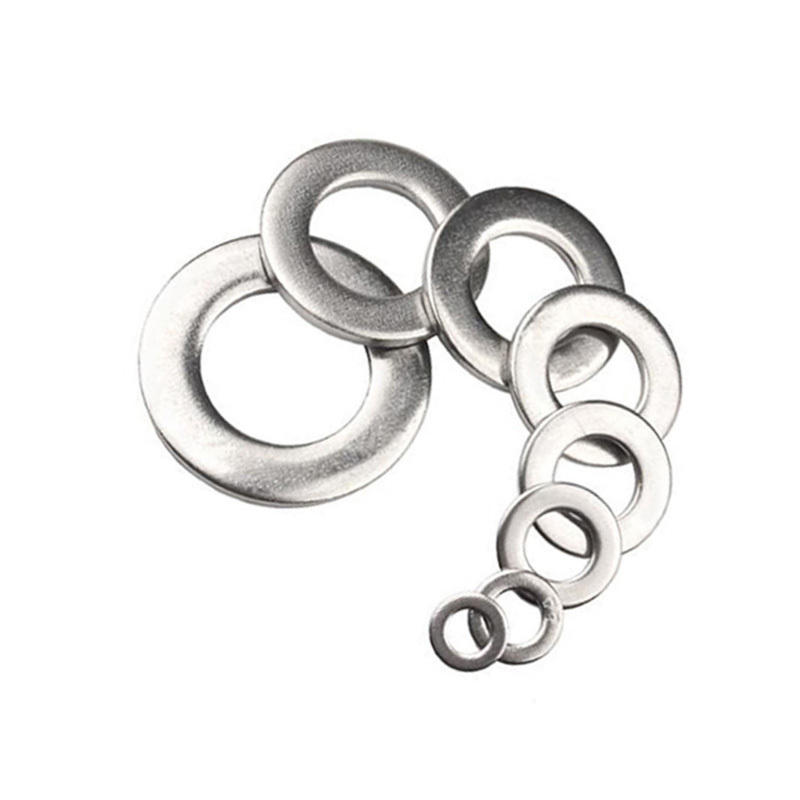
Why You Need Flat Washer DIN125 for Your Industrial Applications
Nov 12,2025
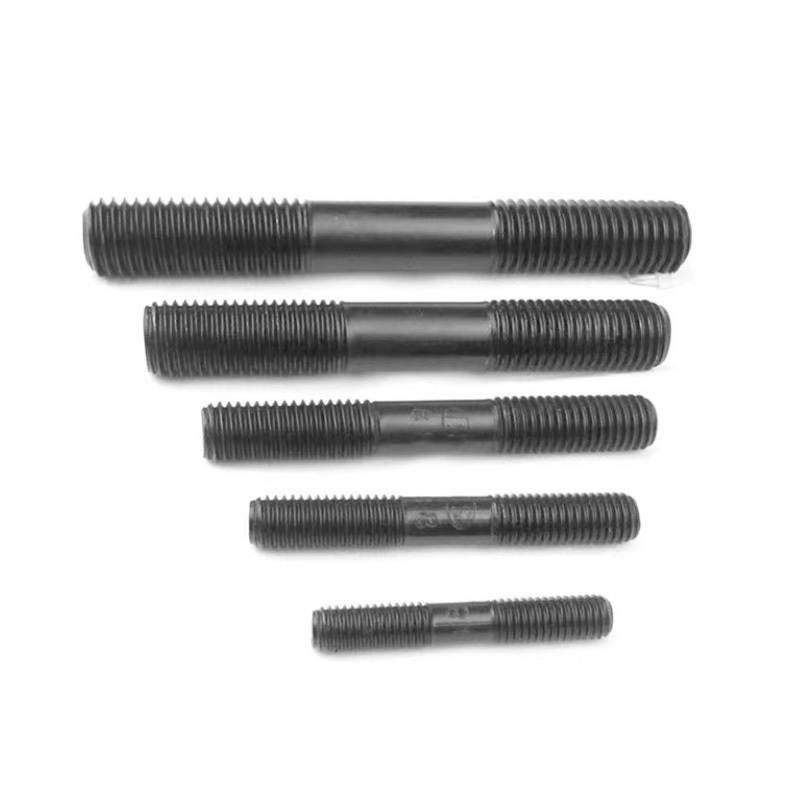
Understanding Stud Bolt DIN 938: A Comprehensive Guide for Industrial Applications
Nov 09,2025

Mainly produces bolts, nuts, washers, full threaded studs, anchor bolts, screws with DIN, BSW, ANIS, MS.


CONTACT US
Yongnian District, Handan City S318 Hebei Province rural credit Cooperative (Yuehua Road) southeast about 170 meters

Mobile website


