
Understanding Flat Washer DIN125: A Comprehensive Guide
Aug 02,2025
Understanding Flat Washer DIN125: A Comprehensive Guide
Table of Contents
- 1. Introduction to Flat Washers
- 2. What is DIN125?
- 3. Features of Flat Washer DIN125
- 4. Applications of Flat Washer DIN125
- 5. Benefits of Using Flat Washers
- 6. Types of Flat Washers
- 7. Installation and Maintenance
- 8. Frequently Asked Questions
- 9. Conclusion
1. Introduction to Flat Washers
Flat washers are vital components in the realm of fastening and assembly. These thin, flat discs are used to distribute the load of a threaded fastener, such as a bolt or nut, over a larger surface area. This load distribution minimizes the risk of damage to the surfaces being joined and ensures a more secure and stable assembly. The DIN125 standard represents one of the most widely used types of flat washers in various industries.
2. What is DIN125?
DIN125, established by the Deutsches Institut für Normung (German Institute for Standardization), specifies the dimensions, tolerances, and material requirements for flat washers. The DIN125 standard ensures uniformity across manufacturers, making it easier for engineers and professionals to select the right washer for their applications. Typically, these washers are made from materials such as steel, stainless steel, and various alloys, providing various attributes like corrosion resistance and strength.
3. Features of Flat Washer DIN125
Flat Washer DIN125 comes with several notable features that make it suitable for a range of applications:
3.1 Dimensional Consistency
The DIN125 standard dictates specific measurements, including inner and outer diameters, ensuring dimensional consistency across products. This consistency is crucial for engineers who need to adhere to strict design specifications.
3.2 Variety of Materials
Available in various materials, including plain steel, zinc-plated, and stainless steel, Flat Washer DIN125 is versatile enough to meet the needs of different environments, including those prone to corrosion.
3.3 Load Distribution
The design of these washers allows for effective load distribution. By spreading the load over a larger area, they prevent damage to the components being fastened and enhance the overall integrity of the assembly.
3.4 Enhanced Stability
Using flat washers can significantly enhance the stability of mechanical connections. They help to prevent loosening due to vibration and thermal expansion, maintaining the integrity of the assembly over time.
4. Applications of Flat Washer DIN125
Flat Washer DIN125 is utilized in a wide range of applications across various industries:
4.1 Construction Industry
In construction, DIN125 washers are commonly used in structural assemblies, providing stability for beams, columns, and other load-bearing components.
4.2 Automotive Manufacturing
The automotive industry employs these washers for securing parts within vehicles, particularly in areas subject to vibration and movement.
4.3 Machinery and Equipment
In machinery assembly, Flat Washer DIN125 helps ensure that components remain tightly fastened even under demanding operational conditions.
4.4 Electrical Applications
In electrical applications, these washers are used to secure electrical connections, preventing loosening and ensuring safety.
5. Benefits of Using Flat Washers
The advantages of using Flat Washer DIN125 extend beyond simple load distribution:
5.1 Improved Assembly Integrity
Flat washers enhance the overall integrity of assemblies by providing a stable base for fasteners, reducing the likelihood of failure.
5.2 Cost-Effectiveness
Using these washers can minimize long-term maintenance costs by reducing the risk of component failure due to improper fastening.
5.3 Versatility
With a variety of materials and sizes available, Flat Washer DIN125 can be utilized in numerous applications, making it a versatile choice for engineers and manufacturers.
5.4 Enhanced Safety
By ensuring secure connections, these washers contribute to overall equipment safety, particularly in high-stress applications.
6. Types of Flat Washers
While DIN125 is a standard designation, several variations exist, each with specific features suited for different applications:
6.1 Standard Flat Washers
These are the most common type, adhering strictly to the DIN125 specifications for load distribution.
6.2 Slotted Flat Washers
Slotted washers feature a slot that allows for expanded adjustment capabilities, making them ideal for applications requiring a degree of flexibility.
6.3 Locking Flat Washers
Designed to prevent loosening under vibration, these washers incorporate features that enhance grip and stability.
6.4 Rubber Flat Washers
Rubber washers provide additional cushioning and vibration dampening, making them suitable for sensitive applications.
7. Installation and Maintenance
Proper installation and maintenance of Flat Washer DIN125 ensure optimal performance:
7.1 Installation Tips
- Ensure that the surface is clean and free of debris before installation.
- Choose the appropriate size washer to fit the fastener snugly.
- Use a torque wrench to achieve the correct tightening specification.
7.2 Maintenance
Regular inspections can help identify wear and tear. Replace any damaged washers promptly to maintain connection integrity.
8. Frequently Asked Questions
8.1 What is the difference between DIN125 and DIN127 washers?
DIN125 washers are flat, while DIN127 washers are serrated, providing additional grip and locking capabilities.
8.2 How do I know which size washer to use?
Select a washer that matches the diameter of the fastener and is suitable for the application’s load requirements.
8.3 Can Flat Washer DIN125 be used in outdoor applications?
Yes, but consider using corrosion-resistant materials like stainless steel for outdoor settings.
8.4 Are there weight limits for using Flat Washer DIN125?
While there are no strict weight limits, always consult the manufacturer's guidelines for load specifications.
8.5 How can I tell if a washer is genuine DIN125?
Look for markings indicating compliance with DIN specifications and verify with the supplier.
9. Conclusion
Flat Washer DIN125 offers essential benefits that enhance the performance and reliability of fastened connections across various industries. Understanding their features, applications, and maintenance needs empowers engineers and manufacturers to make informed decisions that promote safety and effectiveness in their assemblies. By selecting the appropriate flat washer, you can enhance the overall integrity and longevity of your projects, ensuring that they stand the test of time.
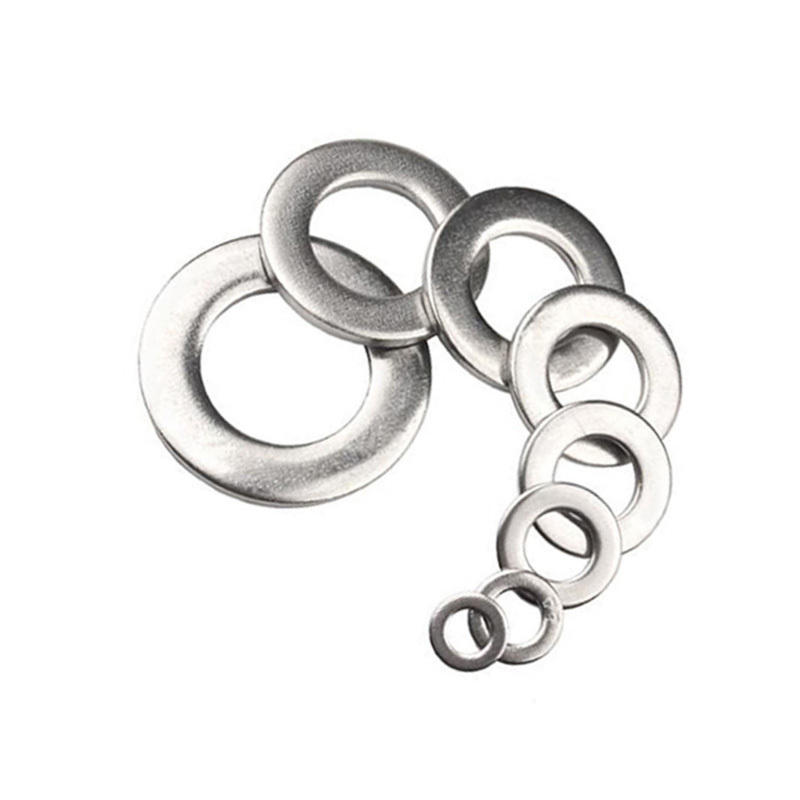
Flat Washer DIN125
RELEVANT INFORMATION

Understanding the Importance and Applications of Spring Washer DIN127 in Industrial Fastening
Nov 15,2025
Why You Need Flat Washer DIN125 for Your Industrial Applications
Nov 12,2025
Understanding Stud Bolt DIN 938: A Comprehensive Guide for Industrial Applications
Nov 09,2025

Mainly produces bolts, nuts, washers, full threaded studs, anchor bolts, screws with DIN, BSW, ANIS, MS.


CONTACT US
Yongnian District, Handan City S318 Hebei Province rural credit Cooperative (Yuehua Road) southeast about 170 meters

Mobile website


