
The Advantages of Using Cap Nuts in Tight Spaces: Maximizing Efficiency and Safety
Jul 21,2025
The Advantages of Using Cap Nuts in Tight Spaces
Introduction to Cap Nuts
Cap nuts, also known as acorn nuts, are specialized fasteners designed with a domed top that provides several advantages, particularly in applications where space is at a premium. In this article, we will delve into the many benefits of using cap nuts in tight spaces, covering their functionality, safety features, and practical applications in various industries.
What Are Cap Nuts?
Cap nuts are threaded nuts that resemble a dome on the top, providing additional benefits over standard nuts. Their design not only enhances their aesthetic appeal but also serves practical purposes, especially in tight spaces. The closed-off top protects the exposed threads of a bolt, reducing the risk of injury while also preventing dirt, moisture, and other contaminants from entering the fastener.
Common Materials Used for Cap Nuts
Cap nuts can be made from various materials, including:
- **Steel**: Commonly used for its strength and durability.
- **Stainless Steel**: Offers excellent corrosion resistance, making it suitable for outdoor applications.
- **Plastic**: Lightweight and corrosion-resistant, ideal for non-load-bearing applications.
- **Aluminum**: Lightweight and strong, often used in aerospace and automotive applications.
Benefits of Using Cap Nuts in Tight Spaces
When it comes to fastening in confined areas, cap nuts offer several key advantages that make them the ideal choice.
1. Enhanced Safety Features
One of the primary benefits of cap nuts is their safety features. The closed top of the nut covers the bolt threads, minimizing the risk of cuts and scrapes during the installation or maintenance process. This is particularly crucial in tight spaces where maneuverability is limited, and accidents can happen quickly.
2. Streamlined Installation Process
Cap nuts are designed for easy installation. Their unique shape allows for quick finger-tightening, making them ideal for applications where tools may not fit easily. This feature significantly reduces installation time, which is crucial in industrial settings where efficiency is key.
3. Improved Aesthetics
In applications where the appearance of the fasteners is essential, cap nuts provide a clean, finished look. Their smooth, rounded tops offer a more polished appearance compared to standard nuts, making them perfect for visible installations.
4. Protection Against Contamination
In tight spaces, exposure to dust, dirt, and moisture can lead to significant issues over time. Cap nuts provide an extra layer of protection, preventing contaminants from compromising the integrity of the fastening system. This is particularly beneficial in automotive and aerospace applications, where performance and safety are critical.
5. Versatility Across Industries
Cap nuts are versatile and can be used in a wide range of industries, including construction, automotive, and manufacturing. Their adaptability makes them suitable for numerous applications, from securing machinery components to assembling furniture.
Applications of Cap Nuts in Tight Spaces
Cap nuts can be effectively utilized in various scenarios where tight spaces are a challenge.
1. Automotive Industry
In automotive manufacturing and repair, space is often limited. Cap nuts are commonly used to secure components such as engine covers, exhaust systems, and interior panels. Their protective features help keep critical parts secure and functioning optimally.
2. Aerospace Applications
In aerospace engineering, safety and efficiency are paramount. Cap nuts are frequently used in aircraft assembly, where they help secure various components in tight compartments while enhancing the overall aesthetic of the aircraft design.
3. Electronics and Electrical Equipment
Cap nuts are ideal for securing electronic components in tight enclosures. Their design prevents accidental short circuits while also protecting sensitive components from environmental damage.
4. Construction and Furniture Assembly
In construction and furniture assembly, cap nuts are often employed to secure joints in tight areas, such as between beams or within cabinetry. Their ease of installation and protective qualities make them a favored choice among carpenters and builders.
Choosing the Right Cap Nut
When selecting cap nuts for your project, consider the following factors:
1. Material
Choose the material based on the environment and load requirements. For outdoor applications, stainless steel or plastic may be preferable due to their corrosion resistance.
2. Size and Threading
Ensure the cap nut matches the size and threading of the bolt or screw you are working with. The proper fit is crucial for maximizing the effectiveness of the fastening system.
3. Load-Bearing Capacity
Consider the load-bearing requirements of your application. Cap nuts come in various strengths, so selecting a nut that can handle the necessary weight and stress is vital.
Frequently Asked Questions (FAQs)
1. What are the primary advantages of cap nuts in tight spaces?
Cap nuts enhance safety, streamline installation, provide protection against contaminants, and offer aesthetic appeal in confined areas.
2. Can cap nuts be used in outdoor applications?
Yes, cap nuts made of stainless steel or plastic are suitable for outdoor use as they provide resistance to corrosion and environmental damage.
3. How do I determine the correct size of cap nut for my project?
Measure the diameter and thread pitch of the bolt or screw to find the appropriate cap nut size.
4. Are cap nuts more expensive than regular nuts?
Cap nuts may have a slightly higher cost due to their design and added features, but their benefits often outweigh the pricing difference.
5. Can I use cap nuts in high-stress applications?
Yes, but it's essential to select cap nuts designed for high-load applications to ensure safety and reliability.
Conclusion
Cap nuts provide numerous advantages in tight spaces, offering enhanced safety, streamlined installation, and protection against contaminants. Their versatile applications across various industries solidify their place as a preferred fastening solution. By understanding the benefits and selecting the right cap nuts for your specific needs, you can ensure efficient and safe operations in any project. Embrace the advantages of cap nuts and experience the difference they can make in your work.
Cap nut DIN1587
RELEVANT INFORMATION

Understanding the Importance and Applications of Spring Washer DIN127 in Industrial Fastening
Nov 15,2025
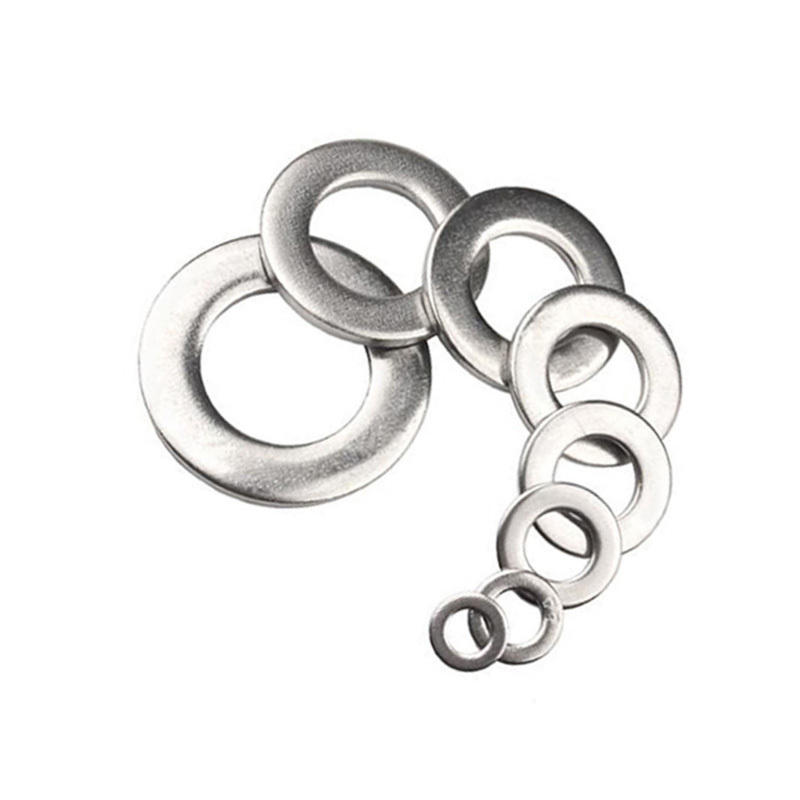
Why You Need Flat Washer DIN125 for Your Industrial Applications
Nov 12,2025
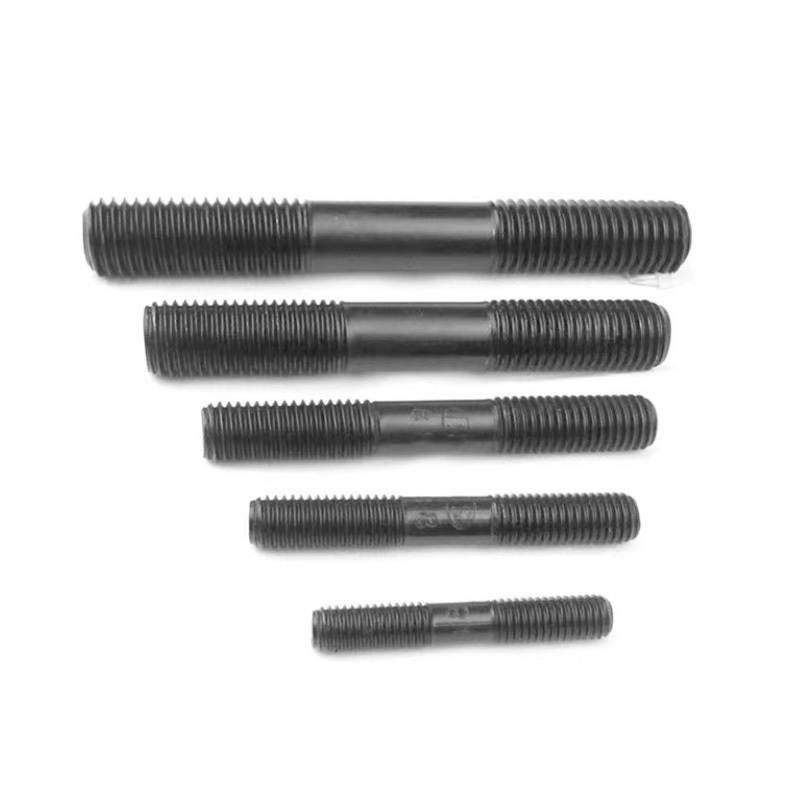
Understanding Stud Bolt DIN 938: A Comprehensive Guide for Industrial Applications
Nov 09,2025

Mainly produces bolts, nuts, washers, full threaded studs, anchor bolts, screws with DIN, BSW, ANIS, MS.


CONTACT US
Yongnian District, Handan City S318 Hebei Province rural credit Cooperative (Yuehua Road) southeast about 170 meters

Mobile website


