
Exploring the Benefits of Using Flange Bolts DIN6921: A Comprehensive Guide for Industrial Applications
Jul 09,2025
Exploring the Benefits of Using Flange Bolts DIN6921
Introduction to Flange Bolts DIN6921
Flange bolts, specifically those that conform to the DIN6921 standard, are essential components in various industrial applications. These bolts are designed with an integrated flange that helps distribute load and prevent damage to surfaces. Understanding their unique features and benefits can significantly enhance your project outcomes.
What Are Flange Bolts DIN6921?
Flange bolts DIN6921 are characterized by their circular, flat flange that serves several purposes. Unlike traditional bolts, these flange bolts eliminate the need for a separate washer, simplifying the assembly process. The design helps in achieving better load distribution and provides a larger bearing surface, making them ideal for high-stress applications.
Key Specifications of DIN6921 Flange Bolts
Understanding the specifications of DIN6921 flange bolts is crucial for selecting the right type for your needs. Here are some essential specifications to consider:
- **Material**: Typically made from steel, stainless steel, or alloy steel, which offers varying levels of strength and corrosion resistance.
- **Coating**: Options include zinc plating, hot-dip galvanizing, or other coatings that enhance durability.
- **Size Range**: Available in various diameters and lengths to accommodate different applications.
- **Thread Type**: Available in metric or imperial threading, depending on specific requirements.
Advantages of Using Flange Bolts DIN6921
The unique design and material properties of DIN6921 flange bolts offer several key advantages:
1. Enhanced Load Distribution
The larger bearing surface provided by the flange allows for better load distribution. This feature minimizes the risk of deformation in the materials being joined, leading to increased overall structural integrity.
2. Simplified Installation
The integrated flange eliminates the need for separate washers, streamlining the installation process. This not only saves time but also reduces the risk of losing components during assembly.
3. Improved Resistance to Vibration
Flange bolts are designed to withstand vibration better than standard bolts. The flange helps to secure the bolt in place, reducing the likelihood of loosening due to vibration over time.
4. Corrosion Resistance
Depending on the material and coating, DIN6921 flange bolts can offer excellent corrosion resistance. This makes them suitable for use in harsh environments where exposure to moisture or chemicals is a concern.
5. Versatile Applications
Flange bolts are widely used across various industries, including automotive, construction, and manufacturing. Their versatility makes them a reliable choice for many applications, from securing machinery to assembling structural components.
Common Applications of Flange Bolts DIN6921
Flange bolts DIN6921 are employed in several industries for various applications:
1. Automotive Industry
In the automotive sector, flange bolts are crucial for assembling engine components, chassis, and suspension systems. Their ability to withstand high stress and vibration makes them ideal for these applications.
2. Construction and Structural Engineering
Flange bolts are commonly used in structural steel frameworks where strong connections are required. Their load distribution capabilities ensure that structures remain stable and secure.
3. Machinery Assembly
In machinery, flange bolts are used to secure motor mounts, conveyor systems, and heavy equipment. Their durability and resistance to loosening make them suitable for these demanding environments.
4. Marine Applications
Due to their corrosion resistance, flange bolts are often used in marine applications for securing components on ships and offshore structures.
Installation Tips for Flange Bolts DIN6921
Installing flange bolts correctly is vital for ensuring optimal performance. Here are some tips for proper installation:
1. Prepare the Joining Surfaces
Ensure that the surfaces to be joined are clean and free from debris. This helps achieve a secure connection and prevents damage to the materials.
2. Use the Correct Tools
Select appropriate tools for tightening the flange bolts, such as torque wrenches, to ensure even distribution of force. This prevents over-tightening, which can compromise the integrity of the connection.
3. Follow Manufacturer Guidelines
Always refer to the manufacturer's specifications regarding torque settings and installation practices. Adhering to these guidelines ensures that the bolts perform as intended.
4. Inspect After Installation
Conduct a thorough inspection after installation to ensure that all bolts are secure and properly tightened. Regular maintenance checks can help identify any issues before they escalate.
Comparison of Flange Bolts DIN6921 with Other Fasteners
To understand the advantages of flange bolts better, it's important to compare them with other common fasteners:
1. Standard Bolts
While standard bolts require separate washers, flange bolts combine these components, reducing assembly time and the risk of losing parts. The flange also provides better load distribution, which standard bolts do not.
2. Hex Head Bolts
Hex head bolts are widely used but may not offer the same level of load distribution as flange bolts. The larger surface area of the flange in DIN6921 bolts provides more stability under load.
3. Carriage Bolts
Carriage bolts are typically used in applications where a smooth appearance is desired. However, they do not provide the same level of resistance to vibration and load distribution as flange bolts.
Frequently Asked Questions (FAQs)
1. What is the difference between flange bolts and regular bolts?
Flange bolts have an integrated flange that acts as a washer, providing better load distribution and simplifying the installation process compared to regular bolts.
2. Can flange bolts be used in outdoor applications?
Yes, flange bolts with corrosion-resistant coatings are suitable for outdoor applications, including marine environments.
3. How do I determine the correct size of flange bolt to use?
The correct size depends on the specific requirements of your project, including the materials being joined and the load they will bear. Refer to engineering guidelines or consult with a professional if needed.
4. Are flange bolts reusable?
While flange bolts can be reused, it is essential to inspect them for any signs of wear or damage. If they show signs of deformation or wear, it is best to replace them.
5. What materials are flange bolts DIN6921 made from?
Flange bolts can be made from various materials, including carbon steel, stainless steel, and alloy steel, depending on the required strength and environmental considerations.
Conclusion
In conclusion, flange bolts DIN6921 offer a range of benefits that make them an excellent choice for various industrial applications. Their unique design, which integrates a flange for enhanced load distribution, simplifies installation and improves resistance to vibration. Whether used in automotive, construction, or machinery applications, flange bolts provide the durability and reliability needed for high-stress environments. By understanding their advantages and proper installation techniques, manufacturers and engineers can make informed decisions that enhance their projects' safety and performance.
Flange Bolts DIN6921
RELEVANT INFORMATION

Understanding the Importance and Applications of Spring Washer DIN127 in Industrial Fastening
Nov 15,2025
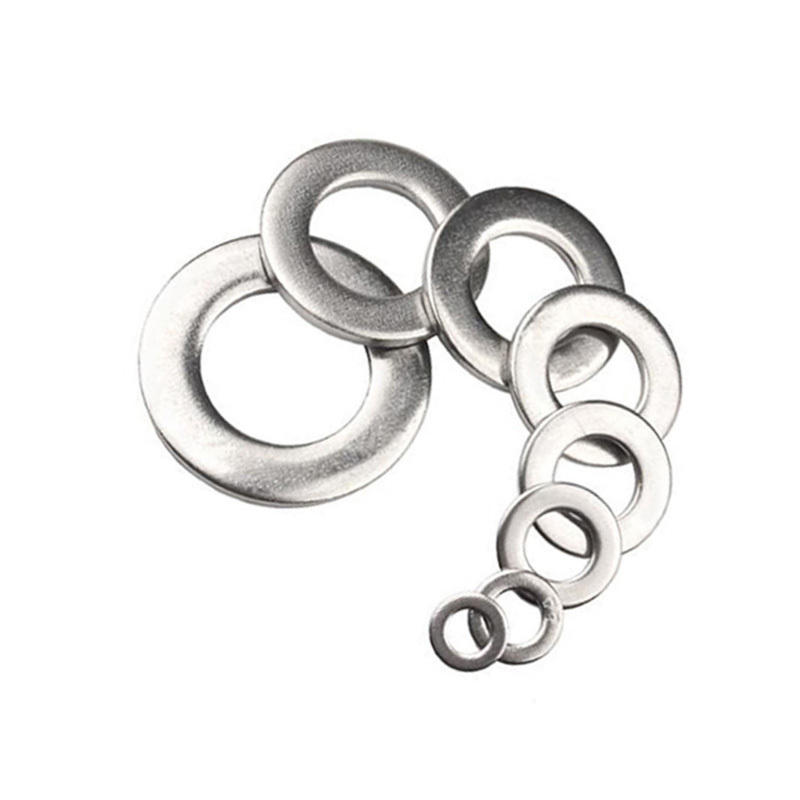
Why You Need Flat Washer DIN125 for Your Industrial Applications
Nov 12,2025
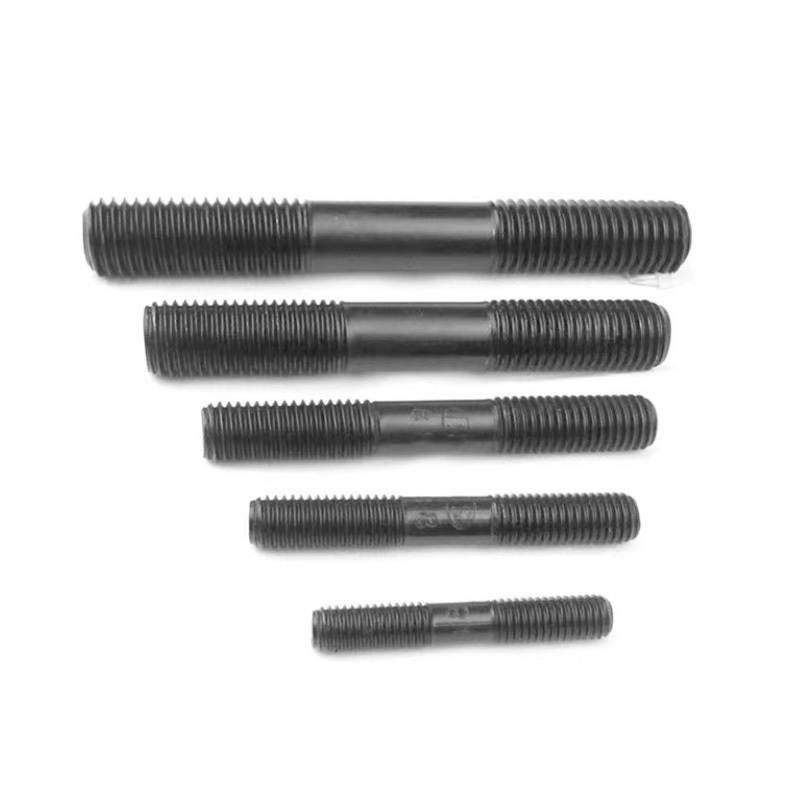
Understanding Stud Bolt DIN 938: A Comprehensive Guide for Industrial Applications
Nov 09,2025

Mainly produces bolts, nuts, washers, full threaded studs, anchor bolts, screws with DIN, BSW, ANIS, MS.


CONTACT US
Yongnian District, Handan City S318 Hebei Province rural credit Cooperative (Yuehua Road) southeast about 170 meters

Mobile website


