
Exploring the Versatility of Rivet Nuts in Industrial Applications
Jun 09,2025
Exploring the Versatility of Rivet Nuts in Industrial Applications
Table of Contents
- 1. Introduction to Rivet Nuts
- 2. What Are Rivet Nuts?
- 3. Types of Rivet Nuts and Their Applications
- 4. Advantages of Using Rivet Nuts in Industrial Settings
- 5. Installation Process of Rivet Nuts
- 6. Common Industrial Applications of Rivet Nuts
- 7. Rivet Nuts vs. Other Fasteners: A Comparative Overview
- 8. The Future of Rivet Nuts in Industrial Applications
- 9. FAQs
- 10. Conclusion
1. Introduction to Rivet Nuts
Rivet nuts, often referred to as blind nuts or nutserts, have gained significant traction in various industrial applications due to their unique design and functionality. These fasteners offer a reliable solution for joining materials, especially where access is limited. Their versatile nature allows them to be used in a wide range of industries, including automotive, aerospace, and consumer electronics.
2. What Are Rivet Nuts?
Rivet nuts are cylindrical inserts that create a threaded socket in thin materials. They are designed to be installed in a pre-drilled hole, providing a strong, reliable connection without requiring access to the back of the material. Rivet nuts come in various materials, sizes, and styles, making them suitable for a multitude of applications.
2.1 Key Features of Rivet Nuts
- **Easy Installation**: Rivet nuts can be installed quickly and efficiently, often requiring minimal tools.
- **Material Compatibility**: They can be used with various materials such as aluminum, steel, and plastic.
- **Corrosion Resistance**: Many rivet nuts are treated or coated to prevent rust and corrosion, enhancing their longevity.
- **Load Bearing Capacity**: Designed to withstand significant shear and tensile loads, rivet nuts provide a robust fastening solution.
3. Types of Rivet Nuts and Their Applications
Understanding the different types of rivet nuts is crucial for selecting the right one for your application.
3.1 Standard Rivet Nuts
The most common type, standard rivet nuts, are widely used in various applications. They offer a straightforward solution for creating strong connections in thin materials.
3.2 Flanged Rivet Nuts
Flanged rivet nuts feature a wider base, providing additional support and preventing pull-through. They are particularly useful in applications requiring a larger bearing surface.
3.3 Sealed Rivet Nuts
Sealed rivet nuts are designed to prevent leakage and are often used in applications where fluid containment is critical, such as automotive fuel tanks.
3.4 Specialty Rivet Nuts
These include variations tailored for specific applications, such as high-temperature environments or those requiring enhanced vibration resistance.
4. Advantages of Using Rivet Nuts in Industrial Settings
Rivet nuts offer numerous benefits that make them a preferred choice in industrial applications.
4.1 Versatility in Material Thickness
Rivet nuts can be installed in materials as thin as 0.5 mm, making them ideal for applications that require fastening in limited thickness scenarios.
4.2 Time Efficiency
Their straightforward installation process allows for quick assembly and reduced labor costs, enhancing productivity in manufacturing environments.
4.3 Enhanced Structural Integrity
By providing a secure threaded anchor in thin materials, rivet nuts contribute significantly to the overall structural integrity of assemblies.
4.4 Cost-Effectiveness
Compared to traditional fastening methods, rivet nuts can be more economical, especially when considering installation time and material savings.
5. Installation Process of Rivet Nuts
Installing rivet nuts is a straightforward process that requires minimal tools and expertise.
5.1 Tools Required
The essential tools include:
- A drill with the appropriate bit size
- A rivet nut tool or a specialized installation tool
- Safety gear, such as goggles and gloves
5.2 Step-by-Step Installation
1. **Prepare the Material**: Ensure the surface is clean and free from debris.
2. **Drill the Hole**: Use the correct diameter drill bit to create a hole for the rivet nut.
3. **Insert the Rivet Nut**: Place the rivet nut into the hole, ensuring it is flush with the surface.
4. **Use the Installation Tool**: Apply the installation tool to expand the rivet nut, securing it in place.
5. **Check for Stability**: Ensure the rivet nut is securely fastened and free from movement.
6. Common Industrial Applications of Rivet Nuts
Rivet nuts are utilized in a variety of industries, each benefiting from their unique properties.
6.1 Automotive Industry
In automotive manufacturing, rivet nuts are extensively used for assembling components such as dashboards, body panels, and chassis parts. Their ability to provide strong, reliable connections in light-weight materials is crucial for vehicle performance.
6.2 Aerospace Sector
The aerospace industry relies on rivet nuts for their lightweight and durable fastening solutions. Applications include securing aircraft panels and components, where every gram counts.
6.3 Electronics Manufacturing
Rivet nuts are commonly used in electronic devices to provide secure connections without compromising the integrity of the housing materials.
6.4 Furniture Production
In furniture manufacturing, rivet nuts are used to assemble components quickly and efficiently, ensuring durability in the final product.
7. Rivet Nuts vs. Other Fasteners: A Comparative Overview
When comparing rivet nuts to other fastening options, several key differences emerge.
7.1 Rivet Nuts vs. Traditional Rivets
Unlike traditional rivets, rivet nuts can be installed from one side and provide a strong threaded anchor, making them more versatile in many applications.
7.2 Rivet Nuts vs. Screws
While screws require access to both sides of the material, rivet nuts can be installed in tight spaces, offering a significant advantage in constrained environments.
7.3 Rivet Nuts vs. Welding
Welding provides a permanent bond but requires specialized equipment and skills. In contrast, rivet nuts allow for disassembly and maintenance, making them a more flexible option.
8. The Future of Rivet Nuts in Industrial Applications
As industries continue to evolve, so too will the applications and designs of rivet nuts. Innovations in materials and installation techniques promise to enhance their functionality and expand their use in emerging sectors, such as renewable energy and advanced manufacturing.
9. FAQs
9.1 What materials are rivet nuts made from?
Rivet nuts come in various materials, including aluminum, steel, and plastic, each selected based on the application requirements.
9.2 Can rivet nuts be reused?
While rivet nuts are designed for durability, reusing them can compromise their integrity. It’s generally recommended to use new rivet nuts for critical applications.
9.3 Are rivet nuts resistant to corrosion?
Many rivet nuts are treated or coated to enhance their corrosion resistance, making them suitable for various environmental conditions.
9.4 What is the maximum load capacity of rivet nuts?
The load capacity varies depending on the type and size of the rivet nut used. Always refer to the manufacturer's specifications for precise load ratings.
9.5 How do I choose the right rivet nut for my application?
Selecting the right rivet nut involves considering factors such as material thickness, load requirements, and environmental conditions. Consulting with an expert can streamline this process.
10. Conclusion
Rivet nuts represent an essential component in modern industrial applications, providing a versatile, efficient, and reliable fastening solution. Their adaptability across various sectors, combined with their ease of installation and strong performance, positions them as a preferred choice for engineers and manufacturers alike. As industries continue to innovate, the demand for rivet nuts will likely grow, further cementing their role in the future of industrial fastening solutions.
Rivet Nut
RELEVANT INFORMATION

Understanding the Importance and Applications of Spring Washer DIN127 in Industrial Fastening
Nov 15,2025
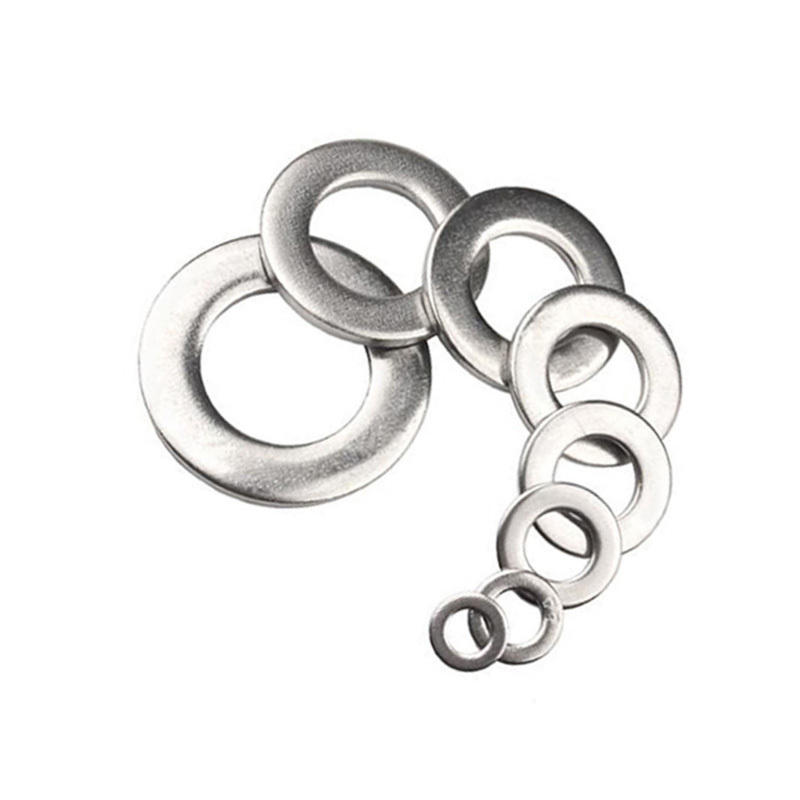
Why You Need Flat Washer DIN125 for Your Industrial Applications
Nov 12,2025
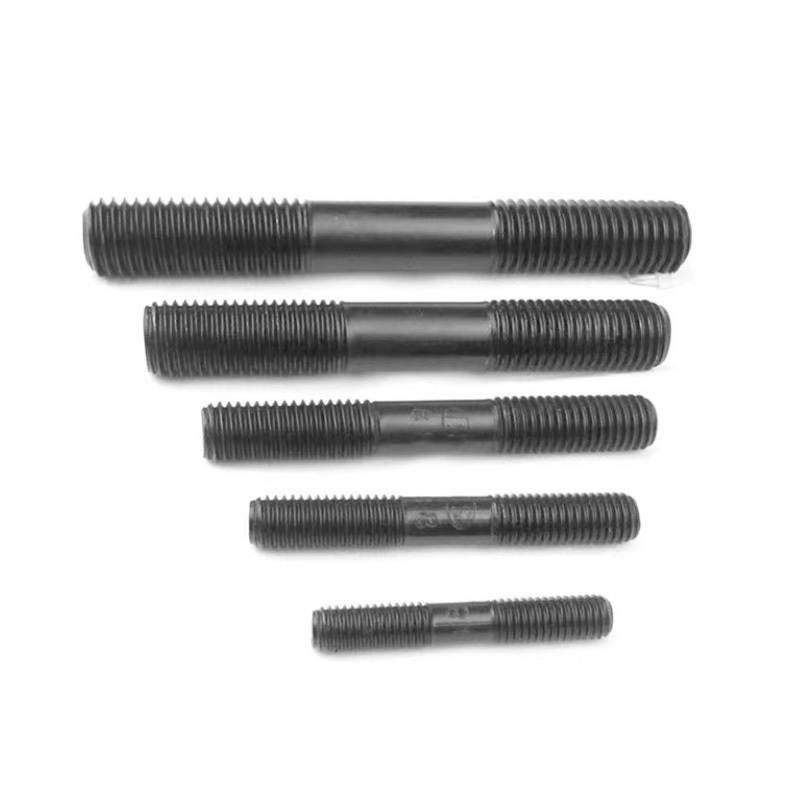
Understanding Stud Bolt DIN 938: A Comprehensive Guide for Industrial Applications
Nov 09,2025

Mainly produces bolts, nuts, washers, full threaded studs, anchor bolts, screws with DIN, BSW, ANIS, MS.


CONTACT US
Yongnian District, Handan City S318 Hebei Province rural credit Cooperative (Yuehua Road) southeast about 170 meters

Mobile website


