
Exploring the Versatility of Wing Bolts in Industrial Applications
May 22,2025
Exploring the Versatility of Wing Bolts in Industrial Applications
Table of Contents
- 1. Introduction to Wing Bolts
- 2. Understanding Wing Bolts and Their Features
- 3. Applications of Wing Bolts in Various Industries
- 4. Benefits of Using Wing Bolts in Industrial Settings
- 5. Installation and Maintenance of Wing Bolts
- 6. Material Choices for Wing Bolts: Enhancing Durability and Performance
- 7. Wing Bolts vs. Other Fasteners: A Comparative Analysis
- 8. Frequently Asked Questions
- 9. Conclusion
1. Introduction to Wing Bolts
Wing bolts, often overlooked in the realm of fasteners, play a pivotal role in various industrial applications. Renowned for their unique design that includes "wings" for manual tightening, these bolts offer both practicality and versatility. This article delves deep into the multifaceted uses of wing bolts, highlighting their significance across different sectors, including manufacturing, construction, and automotive industries.
2. Understanding Wing Bolts and Their Features
Wing bolts are characterized by their distinctive wings that extend from the head of the bolt. This design enables easy manual operation, allowing users to tighten or loosen the bolt without the need for specialized tools. The primary components of a wing bolt include:
2.1 Design Elements
- **Head:** The winged head is designed for easy grip and manipulation.
- **Shank:** The shank provides stability and strength, facilitating secure fastening.
- **Threading:** The threads, either coarse or fine, are essential for proper engagement with nuts or tapped holes.
2.2 Common Sizes and Specifications
Wing bolts come in various sizes, typically ranging from ¼ inch to ½ inch in diameter. The choice of size depends on the application and load requirements. Additionally, wing bolts can be made from different materials, including stainless steel, carbon steel, and plastic, each offering distinct advantages based on environmental conditions.
3. Applications of Wing Bolts in Various Industries
The versatility of wing bolts allows them to be used across a spectrum of industrial applications. Here are some notable uses:
3.1 Manufacturing Equipment
In manufacturing settings, wing bolts are often employed to secure machine covers and panels, allowing for quick access for maintenance and repairs.
3.2 Automotive Industry
Wing bolts are favored in the automotive sector for attaching components such as fenders and hoods, where frequent adjustments may be necessary.
3.3 Construction Projects
Construction professionals utilize wing bolts to fasten scaffolding and temporary structures due to their ease of use and reliability under load.
3.4 Furniture Assembly
In the furniture industry, wing bolts are commonly used in flat-pack furniture, providing customers with a straightforward assembly experience.
4. Benefits of Using Wing Bolts in Industrial Settings
The adoption of wing bolts offers several advantages that enhance their appeal in industrial applications:
4.1 Time Efficiency
Wing bolts can significantly reduce assembly time. Their unique design allows for quick adjustments and reassembly, making them ideal for projects where time is of the essence.
4.2 Accessibility
The manual operation feature eliminates the need for tools, enhancing accessibility, especially in tight or awkward spaces.
4.3 Versatility
With applications spanning multiple industries, wing bolts can adapt to various fastening requirements, proving their flexibility and utility.
4.4 Strength and Stability
When properly installed, wing bolts provide strong and stable connections, ensuring the integrity of assemblies under load.
5. Installation and Maintenance of Wing Bolts
Proper installation and maintenance are crucial for maximizing the performance of wing bolts. Here are some key considerations:
5.1 Installation Guidelines
- **Preparation:** Ensure the surfaces to be joined are clean and free of debris.
- **Alignment:** Align the components properly before inserting the wing bolt.
- **Tightening:** Use the wings to manually tighten the bolt until secure. Avoid overtightening to prevent stripping the threads.
5.2 Regular Maintenance Checks
Regular inspections for wear and corrosion are essential. Replace any damaged wing bolts promptly to maintain safety and functionality.
6. Material Choices for Wing Bolts: Enhancing Durability and Performance
The material selection for wing bolts significantly impacts their performance and longevity. Here's a breakdown of commonly used materials:
6.1 Stainless Steel Wing Bolts
Stainless steel wing bolts are highly resistant to corrosion, making them ideal for outdoor or humid environments. They maintain their integrity even under extreme conditions.
6.2 Carbon Steel Wing Bolts
Carbon steel wing bolts offer excellent strength and are often treated with coatings to improve resistance to rust and wear. They are commonly used in automotive and industrial applications.
6.3 Plastic Wing Bolts
For lightweight applications, plastic wing bolts provide a corrosion-free solution. They are suitable for indoor use, particularly in furniture and lightweight assembly.
7. Wing Bolts vs. Other Fasteners: A Comparative Analysis
Understanding how wing bolts compare to other fasteners can help in selecting the right one for specific applications.
7.1 Wing Bolts vs. Standard Bolts
While standard bolts require tools for installation, wing bolts offer the advantage of manual tightening, making them more user-friendly in many situations.
7.2 Wing Bolts vs. Screws
Unlike screws, which often require pre-drilled holes, wing bolts can be more versatile, accommodating various material thicknesses and configurations.
7.3 Wing Bolts vs. Nuts and Washers
Wing bolts simplify assembly by combining the functions of screws and nuts, reducing the number of components needed for fastening.
8. Frequently Asked Questions
8.1 What are wing bolts primarily used for?
Wing bolts are commonly used in applications where easy manual adjustments are needed, such as in furniture assembly, automotive parts, and machinery.
8.2 Can wing bolts be used outdoors?
Yes, wing bolts made from stainless steel or coated carbon steel are suitable for outdoor use due to their resistance to corrosion.
8.3 How do I determine the right size of wing bolt for my project?
The size of the wing bolt should match the thickness of the materials being fastened and support the load requirements of the application.
8.4 Are wing bolts reusable?
Yes, wing bolts can be reused multiple times, provided they are not damaged during installation or removal.
8.5 What maintenance is required for wing bolts?
Regular inspections for wear and corrosion, along with timely replacements when necessary, will ensure the longevity of wing bolts.
9. Conclusion
Wing bolts are an invaluable component in various industrial applications, offering a unique combination of ease of use, versatility, and strength. By understanding their features and benefits, industries can leverage wing bolts to enhance efficiency and performance in their projects. As we continue to explore innovative fastening solutions, wing bolts will undoubtedly remain a staple in industrial settings, proving their worth across multiple sectors.
Wing Bolts
RELEVANT INFORMATION

Understanding the Importance and Applications of Spring Washer DIN127 in Industrial Fastening
Nov 15,2025
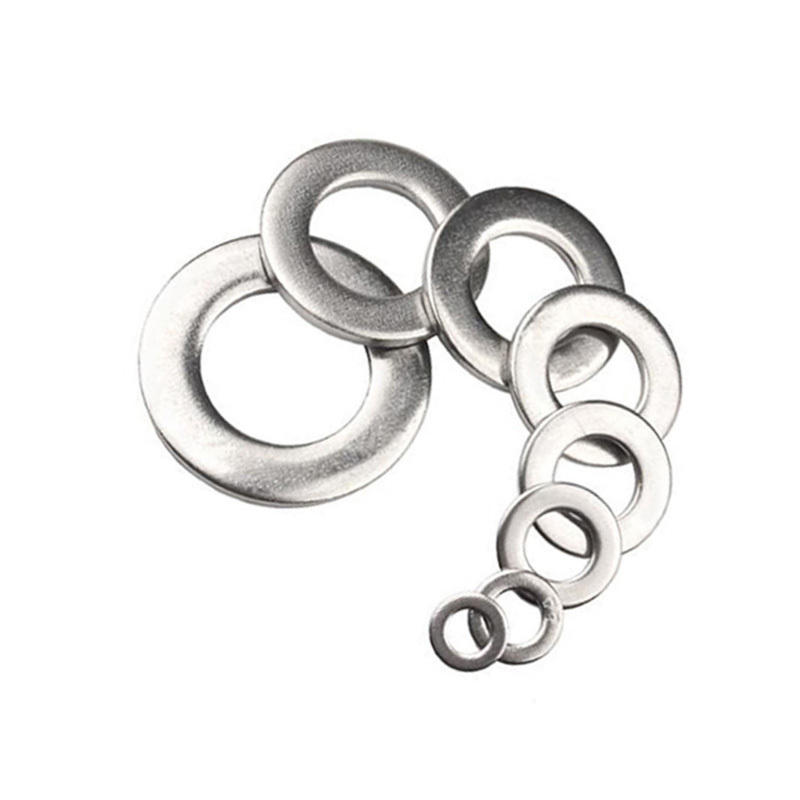
Why You Need Flat Washer DIN125 for Your Industrial Applications
Nov 12,2025
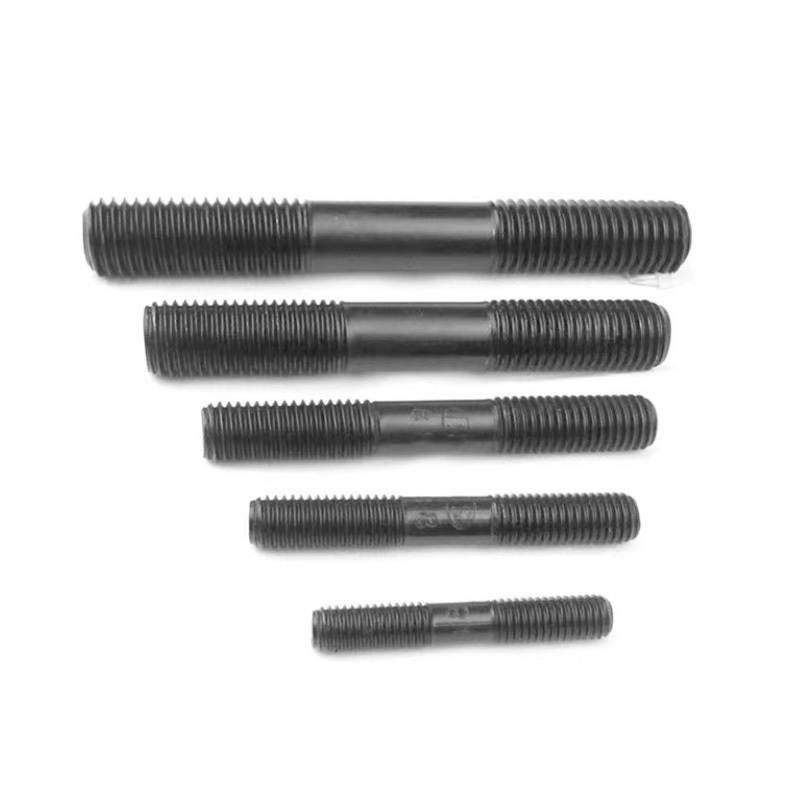
Understanding Stud Bolt DIN 938: A Comprehensive Guide for Industrial Applications
Nov 09,2025

Mainly produces bolts, nuts, washers, full threaded studs, anchor bolts, screws with DIN, BSW, ANIS, MS.


CONTACT US
Yongnian District, Handan City S318 Hebei Province rural credit Cooperative (Yuehua Road) southeast about 170 meters

Mobile website


