
Unlocking the Versatility of Allen Bolts DIN912 in Industrial Applications
Mar 24,2025
Unlocking the Versatility of Allen Bolts DIN912 in Industrial Applications
Table of Contents
1. Introduction to Allen Bolts DIN912
2. Understanding the Design and Specifications
3. Advantages of Using Allen Bolts DIN912
3.1 Enhanced Strength and Durability
3.2 Corrosion Resistance Properties
3.3 Versatile Applications Across Industries
4. Common Applications of Allen Bolts DIN912
4.1 Automotive Industry
4.2 Construction Sector
4.3 Manufacturing and Machinery
5. Installation and Maintenance Tips
6. Comparing Allen Bolts DIN912 to Other Fasteners
7. Frequently Asked Questions (FAQs)
8. Conclusion
1. Introduction to Allen Bolts DIN912
Allen bolts, particularly those conforming to the DIN912 standard, are an essential component in industrial applications. Renowned for their unique hexagonal socket design, these bolts provide not only strength but also ease of installation and removal. The versatility of Allen bolts means they can be found in various sectors, from automotive to manufacturing, making them a staple in mechanical assemblies.
2. Understanding the Design and Specifications
DIN912 bolts are crafted from high-quality materials designed to meet rigorous industrial standards. Typically made from alloy steel, these bolts undergo heat treatment to enhance their mechanical properties.
**Key Specifications:**
- **Diameter:** Ranges from M1.6 to M30, accommodating different load requirements.
- **Length:** Available in various lengths, tailored to specific application needs.
- **Class:** Commonly available in Class 8.8, 10.9, and 12.9, indicating tensile strength and hardness.
The hexagon socket allows for a more compact design, facilitating use in tight spaces where traditional wrenches cannot reach. The precise manufacturing processes ensure consistent quality, making DIN912 bolts reliable in high-stress environments.
3. Advantages of Using Allen Bolts DIN912
3.1 Enhanced Strength and Durability
One of the primary advantages of Allen bolts DIN912 is their enhanced strength. The bolts are designed to withstand significant loads without deforming, thanks to the superior materials and manufacturing techniques used. In critical applications, this translates into longer service life and reduced maintenance costs.
3.2 Corrosion Resistance Properties
Another essential feature of Allen bolts is their corrosion resistance. Depending on the finish (such as zinc plating or black oxide), these bolts can resist environmental factors that lead to rust and deterioration. This property is crucial in industries like construction and marine applications, where exposure to moisture is common.
3.3 Versatile Applications Across Industries
The versatility of Allen bolts DIN912 allows them to be used in a wide range of applications. Their robust nature makes them suitable for various environments, from the high temperatures of manufacturing processes to the extreme conditions in automotive engineering.
4. Common Applications of Allen Bolts DIN912
Allen bolts DIN912 are utilized in multiple industries due to their adaptability and reliability. Here are some common applications:
4.1 Automotive Industry
In the automotive sector, Allen bolts play a critical role in assembling components such as engines, chassis, and suspension systems. Their strength ensures that high-stress parts remain securely fastened, contributing to vehicle safety and performance.
4.2 Construction Sector
In construction, Allen bolts are often used in structural applications, including steel frames and bracing systems. Their ability to handle dynamic loads makes them ideal for ensuring the stability and integrity of buildings and infrastructure.
4.3 Manufacturing and Machinery
The manufacturing sector benefits significantly from the use of Allen bolts DIN912 in machinery assembly and maintenance. Their ease of use and reliability reduce assembly time and enhance productivity, making them a preferred choice for engineers.
5. Installation and Maintenance Tips
Proper installation and maintenance of Allen bolts are crucial for optimal performance. Here are some tips:
- **Use the correct tools:** Always utilize the appropriate Allen wrench to avoid stripping the bolt head.
- **Torque specifications:** Adhere to the manufacturer's torque specifications to prevent over-tightening, which can lead to bolt failure.
- **Inspection:** Regularly inspect bolts for signs of wear, corrosion, or loosening, particularly in high-stress applications.
6. Comparing Allen Bolts DIN912 to Other Fasteners
When evaluating fasteners, Allen bolts DIN912 stand out due to their unique design and benefits.
- **Versus Hex Bolts:** While hex bolts are widely used, their bulkier design can make them less suitable for tight spaces. Allen bolts provide a compact alternative without compromising strength.
- **Versus Socket Cap Screws:** Although similar, socket cap screws often do not meet the same load standards as DIN912 bolts, making the latter a more reliable option in high-stress situations.
7. Frequently Asked Questions (FAQs)
**Q1: What materials are used for Allen bolts DIN912?**
A1: Allen bolts DIN912 are typically made from alloy steel and can also be found in stainless steel options for enhanced corrosion resistance.
**Q2: Can Allen bolts be reused?**
A2: While they can be reused, it is essential to check for any signs of wear or damage before reinstallation.
**Q3: How do I choose the right size of Allen bolt?**
A3: Consider the load requirements and the thickness of the material being fastened to determine the appropriate diameter and length.
**Q4: What is the difference between Class 8.8 and Class 12.9 Allen bolts?**
A4: Class 12.9 bolts have a higher tensile strength than Class 8.8, making them suitable for more demanding applications.
**Q5: Are there any specific storage requirements for Allen bolts?**
A5: Store them in a dry environment to avoid corrosion and ensure that they are kept free from contaminants.
8. Conclusion
In conclusion, **Allen bolts DIN912** are indispensable in various industrial applications due to their unique combination of strength, durability, and versatility. Their hexagonal socket design provides ease of use in tight spaces, making them a preferred choice for engineers and technicians alike. Understanding their specifications, advantages, and proper maintenance ensures that these fasteners continue to perform at their best, enhancing the reliability of the applications they serve. As industries evolve, the need for high-quality fasteners like DIN912 bolts will only increase, cementing their role in the future of industrial engineering.
Allen Bolts DIN912
RELEVANT INFORMATION

Understanding the Importance and Applications of Spring Washer DIN127 in Industrial Fastening
Nov 15,2025
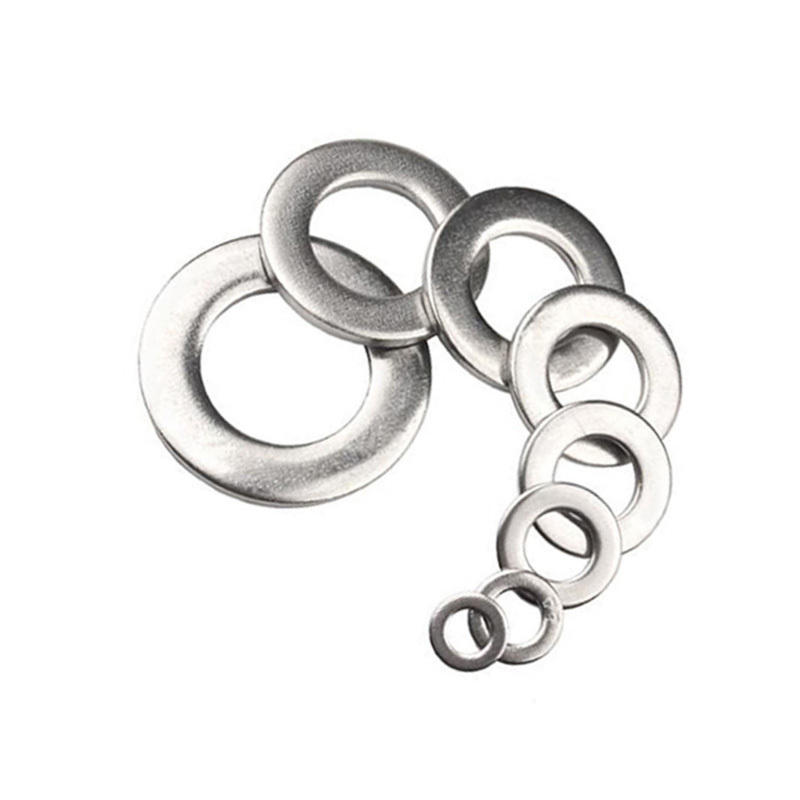
Why You Need Flat Washer DIN125 for Your Industrial Applications
Nov 12,2025
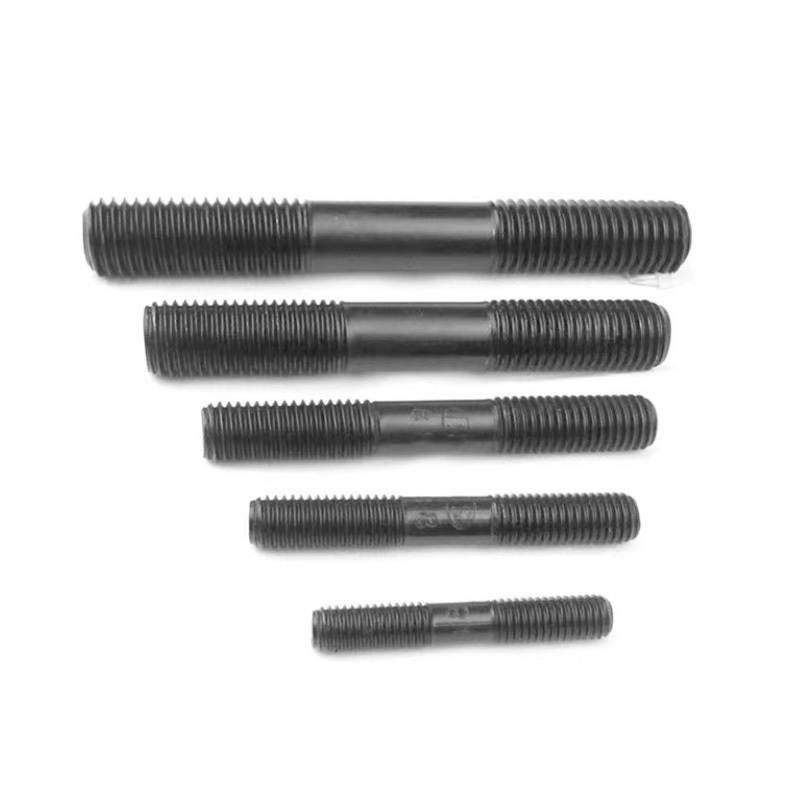
Understanding Stud Bolt DIN 938: A Comprehensive Guide for Industrial Applications
Nov 09,2025

Mainly produces bolts, nuts, washers, full threaded studs, anchor bolts, screws with DIN, BSW, ANIS, MS.


CONTACT US
Yongnian District, Handan City S318 Hebei Province rural credit Cooperative (Yuehua Road) southeast about 170 meters

Mobile website


