Understanding Floor Expansion Bolts: Essential Fasteners for Structural Integrity
Mar 09,2025
Floor expansion bolts are specialized fasteners designed to provide secure anchoring in concrete and masonry structures. They play a vital role in maintaining structural integrity and are widely used in various industrial applications. Understanding how these fasteners work, their installation process, and their advantages can significantly benefit engineers, contractors, and anyone involved in co
Floor expansion bolts are specialized fasteners designed to provide secure anchoring in concrete and masonry structures. They play a vital role in maintaining structural integrity and are widely used in various industrial applications. Understanding how these fasteners work, their installation process, and their advantages can significantly benefit engineers, contractors, and anyone involved in construction.
The primary function of floor expansion bolts is to create a strong connection between structural elements and concrete surfaces. These bolts consist of a threaded shaft, an expansion mechanism, and a nut. When installed, the bolt is inserted into a pre-drilled hole in the concrete. As the nut is tightened, the expansion mechanism activates, causing the bolt to expand and securely grip the surrounding concrete. This unique feature allows for a high level of load-bearing capacity, making floor expansion bolts ideal for heavy-duty applications.
One of the key advantages of using floor expansion bolts is their ability to accommodate various load conditions. They are engineered to handle both tensile and shear loads, making them versatile for different structural requirements. Whether it’s securing machinery, installing handrails, or anchoring structural steel, floor expansion bolts offer reliable performance.
Installation of these fasteners requires careful attention to detail. It is crucial to select the appropriate bolt size and type based on the specific application and load requirements. Additionally, ensuring that the installation hole is clean and properly sized will enhance the effectiveness of the anchor. Following the manufacturer's guidelines during installation is essential to maximize the bolt's performance and longevity.
Durability is another significant aspect of floor expansion bolts. Many of these fasteners are constructed from materials resistant to corrosion, such as stainless steel or coated metals, making them suitable for indoor and outdoor applications. This resilience ensures that they maintain their strength over time, even when exposed to harsh environmental conditions.
In summary, floor expansion bolts are integral components in the construction and industrial sectors. Their unique design and functionality contribute to the overall stability and safety of structures. By understanding their properties, installation techniques, and advantages, professionals can make informed decisions when it comes to selecting the right fastening solutions for their projects. Whether you are involved in building, renovation, or maintenance, floor expansion bolts are a reliable choice for achieving robust connections in concrete and masonry applications.
The primary function of floor expansion bolts is to create a strong connection between structural elements and concrete surfaces. These bolts consist of a threaded shaft, an expansion mechanism, and a nut. When installed, the bolt is inserted into a pre-drilled hole in the concrete. As the nut is tightened, the expansion mechanism activates, causing the bolt to expand and securely grip the surrounding concrete. This unique feature allows for a high level of load-bearing capacity, making floor expansion bolts ideal for heavy-duty applications.
One of the key advantages of using floor expansion bolts is their ability to accommodate various load conditions. They are engineered to handle both tensile and shear loads, making them versatile for different structural requirements. Whether it’s securing machinery, installing handrails, or anchoring structural steel, floor expansion bolts offer reliable performance.
Installation of these fasteners requires careful attention to detail. It is crucial to select the appropriate bolt size and type based on the specific application and load requirements. Additionally, ensuring that the installation hole is clean and properly sized will enhance the effectiveness of the anchor. Following the manufacturer's guidelines during installation is essential to maximize the bolt's performance and longevity.
Durability is another significant aspect of floor expansion bolts. Many of these fasteners are constructed from materials resistant to corrosion, such as stainless steel or coated metals, making them suitable for indoor and outdoor applications. This resilience ensures that they maintain their strength over time, even when exposed to harsh environmental conditions.
In summary, floor expansion bolts are integral components in the construction and industrial sectors. Their unique design and functionality contribute to the overall stability and safety of structures. By understanding their properties, installation techniques, and advantages, professionals can make informed decisions when it comes to selecting the right fastening solutions for their projects. Whether you are involved in building, renovation, or maintenance, floor expansion bolts are a reliable choice for achieving robust connections in concrete and masonry applications.
Floor expansion bolt
RELEVANT INFORMATION
Understanding the Importance and Applications of Spring Washer DIN127 in Industrial Fastening
In the industrial equipment and components sector, the Spring Washer DIN127 stands out as a crucial fastening element. Its distinctive design serves to maintain tension and prevent loosening of screws and bolts under various conditions. This article explores the characteristics and applications of the Spring Washer DIN127, providing valuable insights for professionals in the field.
The Spring Wash
Nov 15,2025
Why You Need Flat Washer DIN125 for Your Industrial Applications
Introduction: Understanding Flat Washers in Industrial Applications
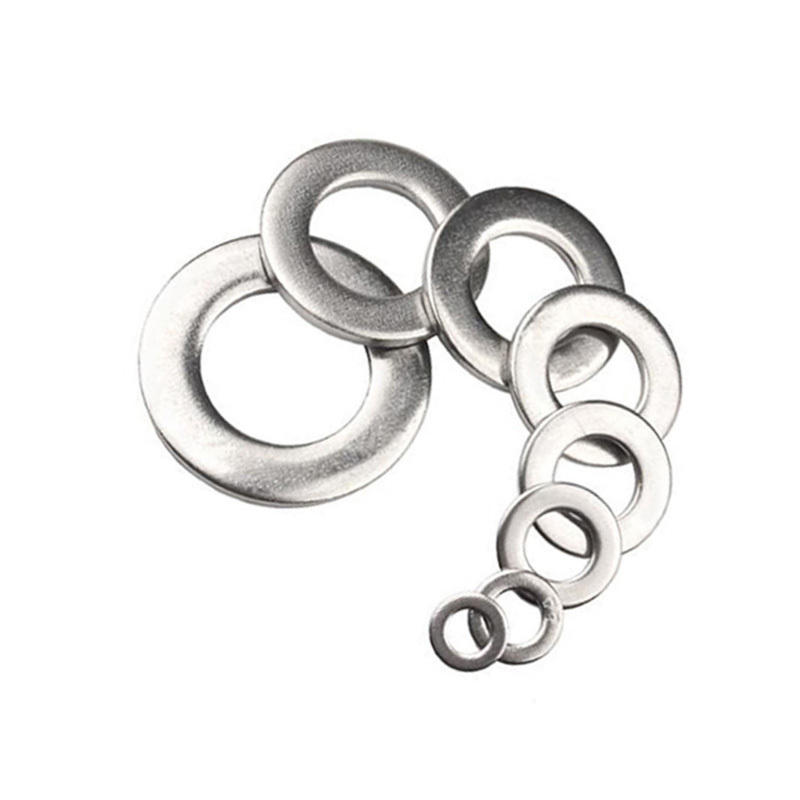
In the realm of industrial equipment and components, the importance of effective fastening cannot be overstated. Among the myriad of fastening solutions available, **Flat Washer DIN125** stands out as a crucial component that enhances the reliability and performanc
Nov 12,2025
Understanding Stud Bolt DIN 938: A Comprehensive Guide for Industrial Applications
---
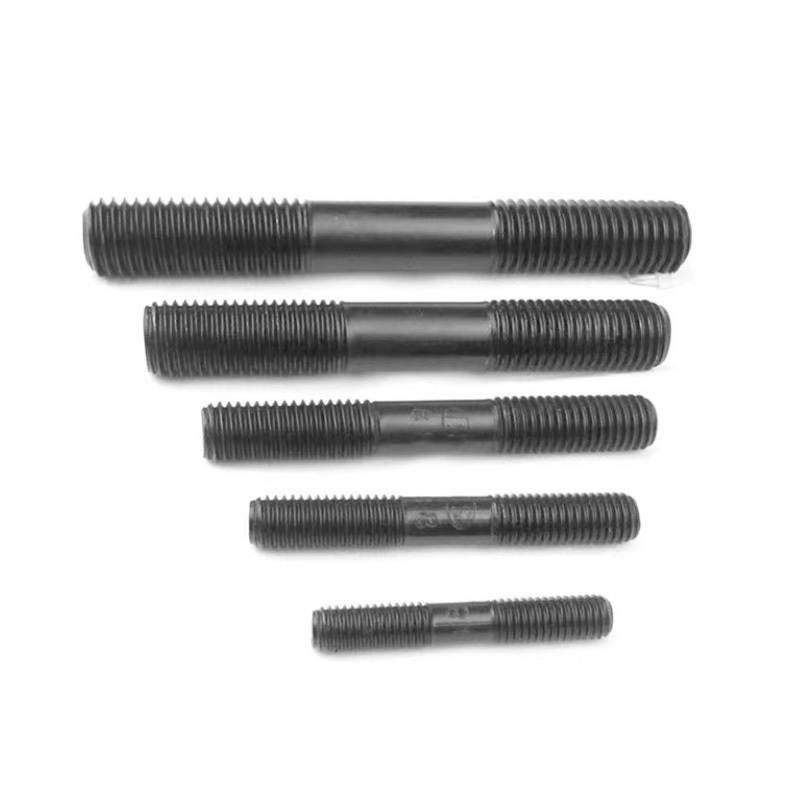
Stud Bolts are essential components in various industrial applications, and the DIN 938 specification outlines specific standards for these fasteners. A Stud Bolt is essentially a long bolt with no head, featuring threads on both ends. It is used in conjunction with nuts to create a secure joint between two or more parts. The DIN 938 standard specifies dimensions, mechanical properties, and to
Nov 09,2025