Understanding Welding Nuts: Essential Components in Industrial Fasteners
Mar 03,2025
Welding nuts are specialized fasteners that play a crucial role in various industrial applications, particularly within the realm of fastening systems. These components are designed to be welded onto a base material, allowing for a secure connection that can withstand significant mechanical stresses. Their unique design and functionality make them essential in numerous industries, including automo
Welding nuts are specialized fasteners that play a crucial role in various industrial applications, particularly within the realm of fastening systems. These components are designed to be welded onto a base material, allowing for a secure connection that can withstand significant mechanical stresses. Their unique design and functionality make them essential in numerous industries, including automotive, construction, and manufacturing.
One of the primary advantages of welding nuts is their ability to create strong and permanent connections without the need for additional hardware. By integrating the welding process, these nuts can be affixed directly to components, providing a robust solution that minimizes the risk of loosening or failure over time. This feature is particularly beneficial in applications where space is limited, and traditional nuts and bolts may not be practical.
There are several types of welding nuts, each designed for specific applications. Common varieties include hex welding nuts, square welding nuts, and flanged welding nuts. Selecting the appropriate type of welding nut depends on the demands of the application, including load requirements, environmental conditions, and the materials being joined. For example, hex welding nuts are often used in heavy-duty applications, while flanged nuts may be preferred for applications requiring a larger bearing surface.
The materials used in manufacturing welding nuts typically include steel, stainless steel, and aluminum, each offering different properties that can enhance performance in various settings. For instance, stainless steel welding nuts provide excellent corrosion resistance, making them suitable for outdoor or marine applications. Understanding the material properties is vital for engineers and designers when determining the best welding nut for a specific project.
Proper installation and welding techniques are critical to the performance of welding nuts. It's essential to ensure that the surfaces are clean and properly aligned before welding. Additionally, the choice of welding method—such as spot welding or arc welding—can significantly affect the strength and durability of the connection. Professionals should always adhere to industry standards and best practices to maximize the effectiveness of welding nuts in their applications.
In conclusion, welding nuts represent a fundamental component in the industrial fasteners and connectors sector. Their ability to provide strong, permanent connections while minimizing hardware usage makes them invaluable in various applications. By understanding the types, benefits, and installation techniques associated with welding nuts, professionals can make informed decisions that enhance the quality and reliability of their projects.
One of the primary advantages of welding nuts is their ability to create strong and permanent connections without the need for additional hardware. By integrating the welding process, these nuts can be affixed directly to components, providing a robust solution that minimizes the risk of loosening or failure over time. This feature is particularly beneficial in applications where space is limited, and traditional nuts and bolts may not be practical.
There are several types of welding nuts, each designed for specific applications. Common varieties include hex welding nuts, square welding nuts, and flanged welding nuts. Selecting the appropriate type of welding nut depends on the demands of the application, including load requirements, environmental conditions, and the materials being joined. For example, hex welding nuts are often used in heavy-duty applications, while flanged nuts may be preferred for applications requiring a larger bearing surface.
The materials used in manufacturing welding nuts typically include steel, stainless steel, and aluminum, each offering different properties that can enhance performance in various settings. For instance, stainless steel welding nuts provide excellent corrosion resistance, making them suitable for outdoor or marine applications. Understanding the material properties is vital for engineers and designers when determining the best welding nut for a specific project.
Proper installation and welding techniques are critical to the performance of welding nuts. It's essential to ensure that the surfaces are clean and properly aligned before welding. Additionally, the choice of welding method—such as spot welding or arc welding—can significantly affect the strength and durability of the connection. Professionals should always adhere to industry standards and best practices to maximize the effectiveness of welding nuts in their applications.
In conclusion, welding nuts represent a fundamental component in the industrial fasteners and connectors sector. Their ability to provide strong, permanent connections while minimizing hardware usage makes them invaluable in various applications. By understanding the types, benefits, and installation techniques associated with welding nuts, professionals can make informed decisions that enhance the quality and reliability of their projects.
Welding nut
RELEVANT INFORMATION
Understanding the Importance and Applications of Spring Washer DIN127 in Industrial Fastening
In the industrial equipment and components sector, the Spring Washer DIN127 stands out as a crucial fastening element. Its distinctive design serves to maintain tension and prevent loosening of screws and bolts under various conditions. This article explores the characteristics and applications of the Spring Washer DIN127, providing valuable insights for professionals in the field.
The Spring Wash
Nov 15,2025
Why You Need Flat Washer DIN125 for Your Industrial Applications
Introduction: Understanding Flat Washers in Industrial Applications
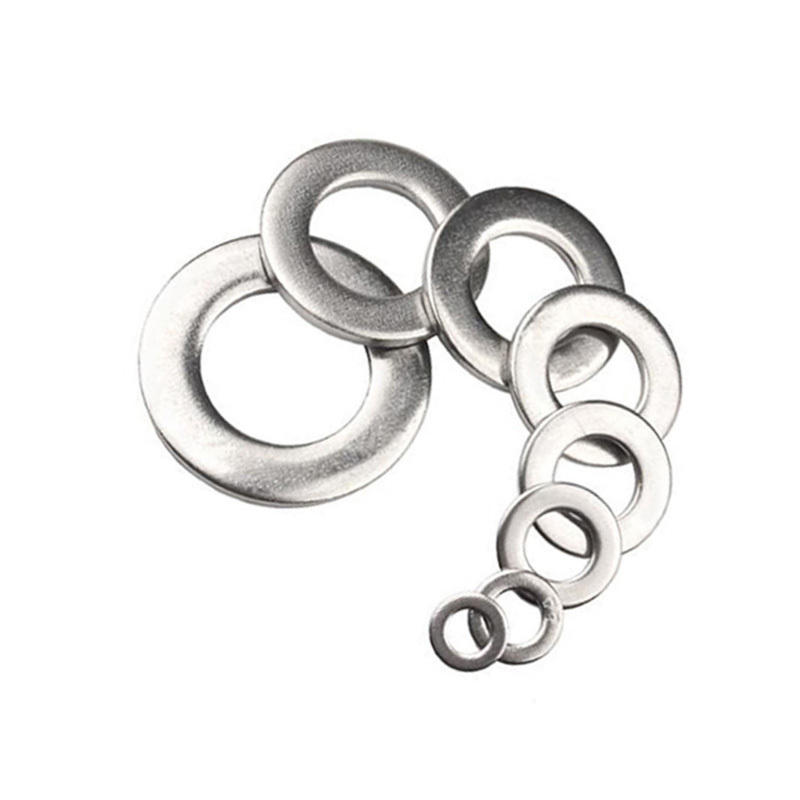
In the realm of industrial equipment and components, the importance of effective fastening cannot be overstated. Among the myriad of fastening solutions available, **Flat Washer DIN125** stands out as a crucial component that enhances the reliability and performanc
Nov 12,2025
Understanding Stud Bolt DIN 938: A Comprehensive Guide for Industrial Applications
---
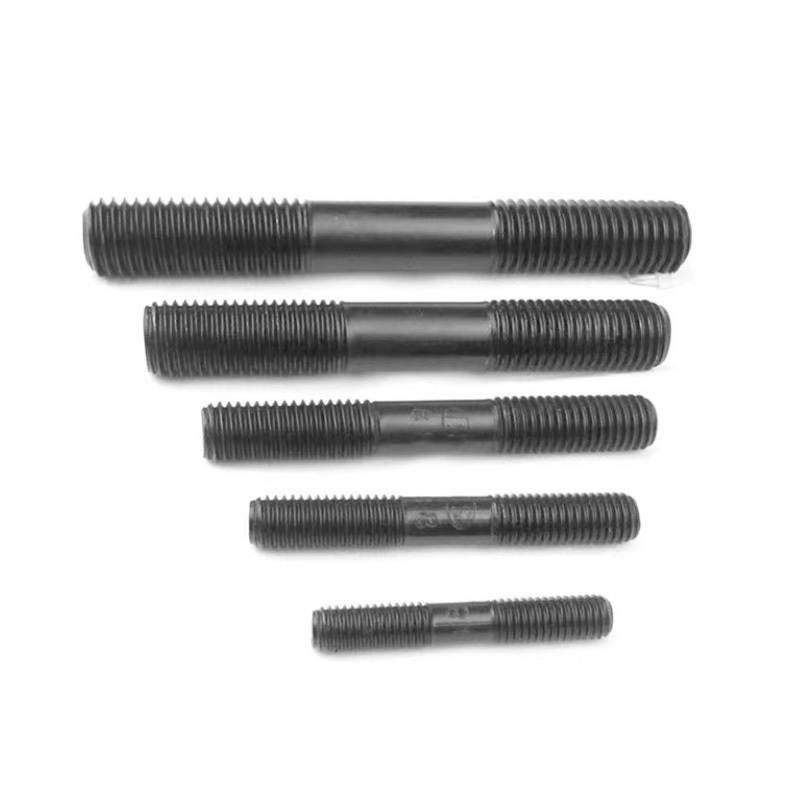
Stud Bolts are essential components in various industrial applications, and the DIN 938 specification outlines specific standards for these fasteners. A Stud Bolt is essentially a long bolt with no head, featuring threads on both ends. It is used in conjunction with nuts to create a secure joint between two or more parts. The DIN 938 standard specifies dimensions, mechanical properties, and to
Nov 09,2025