
The Essential Guide to Rivet Nuts: Key Features and Applications
Feb 25,2025
Designed to create a durable and load-bearing thread, rivet nuts consist of a cylindrical body with an internal thread and a flange or collar at one end. This structure allows for easy installation by simply inserting the rivet nut into a pre-drilled hole and pulling it into place using a specialized tool. As the nut is pulled, the flange collapses against the surface of the material, creating a secure grip that prevents the nut from spinning or pulling out.
One of the primary advantages of using rivet nuts is their ability to provide a reliable fastening solution in thin or soft materials, such as aluminum, plastics, or composites. This capability is especially crucial in industries such as automotive, aerospace, and electronics, where weight reduction and material integrity are paramount. Furthermore, rivet nuts are available in a variety of materials, including steel, aluminum, and stainless steel, allowing for customization depending on the specific environmental conditions and load requirements of the application.
In addition to their strength and versatility, rivet nuts also contribute to design efficiency. They enable manufacturers to simplify assembly processes by reducing the number of components needed and minimizing the time spent on fastening. This streamlined approach can lead to significant cost savings and improved product quality.
Rivet nuts come in various types, including flat, dome, and knurled styles, each designed for specific applications and aesthetic preferences. They also feature different thread sizes and materials, making it crucial to select the right rivet nut for your project. When choosing a rivet nut, consider factors such as the thickness of the material, the load it will bear, and the environmental conditions it will face.
In summary, rivet nuts are a vital component in the world of fastening solutions, offering strength, versatility, and efficiency across numerous industries. By understanding their design, advantages, and applications, you can make informed decisions when selecting the right fastening solution for your projects. Whether you are involved in manufacturing, assembly, or repair, incorporating rivet nuts into your toolkit can enhance the durability and performance of your products.
Rivet Nut
RELEVANT INFORMATION

Understanding the Importance and Applications of Spring Washer DIN127 in Industrial Fastening
Nov 15,2025
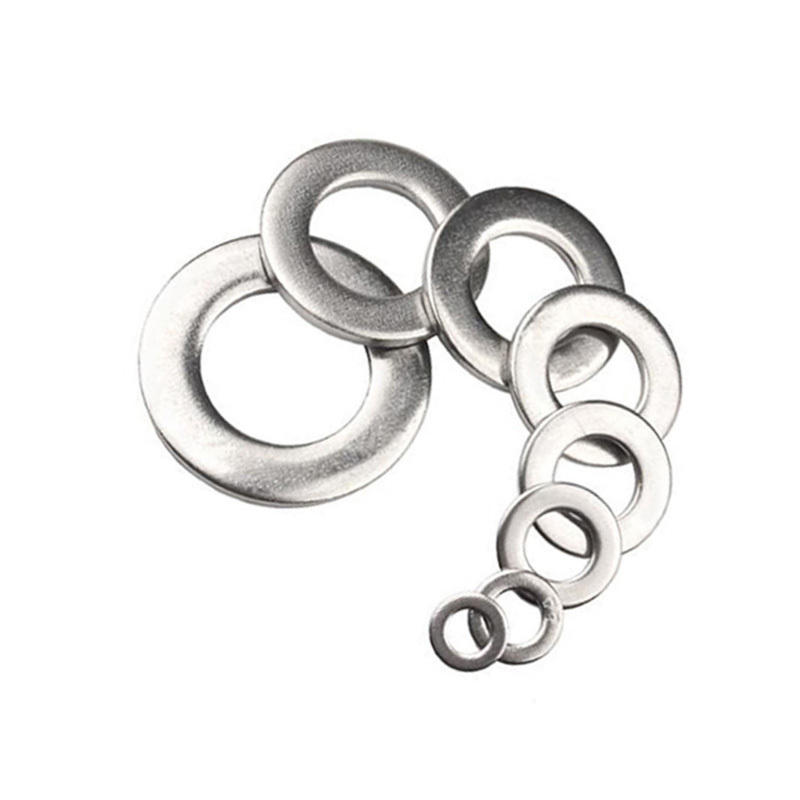
Why You Need Flat Washer DIN125 for Your Industrial Applications
Nov 12,2025
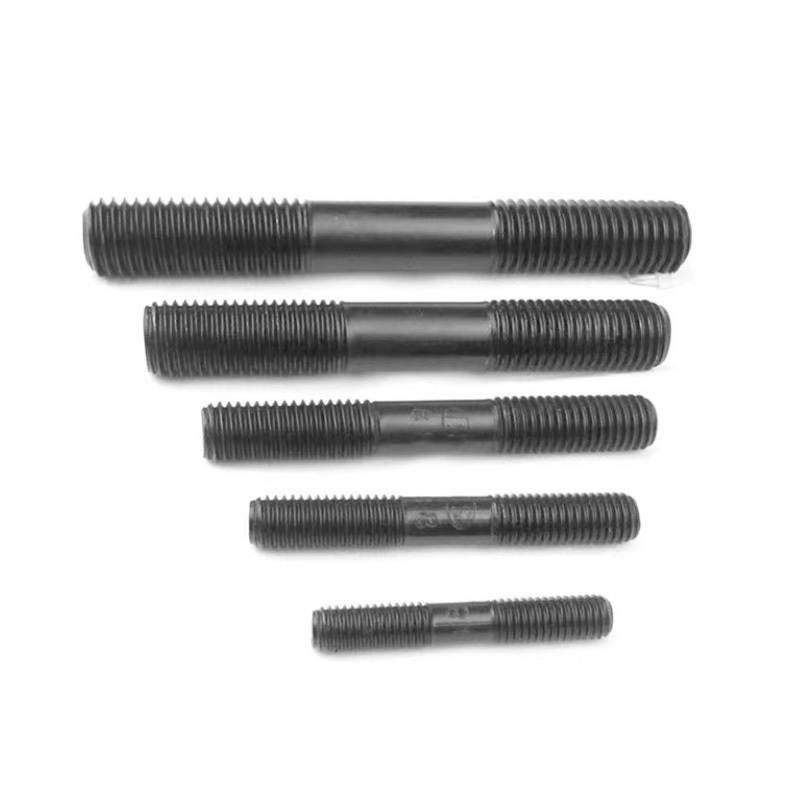
Understanding Stud Bolt DIN 938: A Comprehensive Guide for Industrial Applications
Nov 09,2025

Mainly produces bolts, nuts, washers, full threaded studs, anchor bolts, screws with DIN, BSW, ANIS, MS.


CONTACT US
Yongnian District, Handan City S318 Hebei Province rural credit Cooperative (Yuehua Road) southeast about 170 meters

Mobile website


