
Securing Your Future: Understanding the Vital Role of Carriage Bolts in Industrial Applications
Feb 04,2025
Securing Your Future: Understanding the Vital Role of Carriage Bolts in Industrial Applications
Table of Contents
- Introduction to Carriage Bolts
- What Are Carriage Bolts?
- Key Features and Specifications of Carriage Bolts
- Applications of Carriage Bolts in Industrial Settings
- Benefits of Using Carriage Bolts
- How to Properly Install Carriage Bolts
- Common Mistakes to Avoid When Using Carriage Bolts
- Maintenance and Care for Carriage Bolts
- Conclusion
- Frequently Asked Questions
Introduction to Carriage Bolts
Carriage bolts are essential components in the realm of **industrial equipment** and **fasteners**. Their unique design and robust construction make them ideal for securing materials where a smooth finish is desired. As industries evolve and the demand for reliable fastening solutions increases, understanding the role of carriage bolts becomes crucial. In this article, we will delve into the numerous aspects of carriage bolts, including their specifications, applications, benefits, and installation techniques.
What Are Carriage Bolts?
Carriage bolts, often referred to as **coach bolts**, are characterized by their rounded head and a square neck beneath the head. This design allows for a secure grip that prevents them from turning when tightened. Commonly made from **steel**, **stainless steel**, or **alloy materials**, carriage bolts are utilized in various applications, particularly in wood and metal connections.
The rounded head serves two main purposes: to provide a low-profile finish and to distribute the load evenly across the surface it is being applied to. The square neck helps to prevent rotation, which is particularly beneficial when working with pre-drilled holes.
Key Features and Specifications of Carriage Bolts
Understanding the specifications of carriage bolts is essential for selecting the right product for your project. Here are some key features to consider:
1. Material Composition
Carriage bolts are typically made from a variety of materials, including:
- **Carbon Steel**: Offers high tensile strength and is commonly used in general applications.
- **Stainless Steel**: Provides excellent corrosion resistance, making it suitable for outdoor or harsh environments.
- **Alloy Steel**: Known for enhanced strength and durability, ideal for heavy-duty applications.
2. Size and Diameter
Carriage bolts come in various sizes and diameters, usually ranging from 1/4 inch to 1 inch in diameter. The length of the bolt can also vary, allowing for different thicknesses of materials.
3. Threading
While the upper portion of the carriage bolt features a smooth shaft, the lower part is typically threaded. This ensures a tight fit when a nut is applied. Carriage bolts are primarily available in standard thread sizes, making them compatible with commonly used nuts and washers.
Applications of Carriage Bolts in Industrial Settings
Carriage bolts are widely utilized across various industries, thanks to their versatility and strength. Here are some common applications:
1. Construction
In construction, carriage bolts are extensively used to fasten wooden structures, such as beams, frames, and furniture. Their ability to create a secure connection while maintaining a smooth surface is critical in this field.
2. Automotive
In the automotive industry, carriage bolts are used in assembling parts and securing components, especially in places where appearance matters.
3. Electrical Installation
Carriage bolts are often used in electrical installations, where they provide dependable connections for mounting fixtures and equipment.
4. Furniture Assembly
In the furniture industry, carriage bolts are commonly used in assembling tables, chairs, and other items that require a strong, stable connection.
Benefits of Using Carriage Bolts
The advantages of carriage bolts make them a preferred choice among manufacturers and builders. Here are some key benefits:
1. Durability
Carriage bolts are designed to withstand heavy loads and resist corrosion, particularly when made from high-quality materials like stainless steel. This durability ensures longevity, reducing the need for frequent replacements.
2. Ease of Use
Installation is straightforward; the square neck prevents spinning, allowing for easy tightening. Users can secure items without the need for complicated tools or equipment.
3. Aesthetic Appeal
The rounded head of carriage bolts provides a clean, finished look, making them ideal for visible applications in furniture and decorative construction.
How to Properly Install Carriage Bolts
Installing carriage bolts correctly is crucial for achieving a secure connection. Here’s a step-by-step guide:
1. Gather Your Tools
You will need carriage bolts, matching nuts, washers, a wrench, and a drill for pre-drilling holes if necessary.
2. Prepare the Materials
Ensure that the materials you are fastening are aligned correctly. If working with wood, pre-drill holes slightly larger than the bolt diameter.
3. Insert the Bolt
Insert the carriage bolt through the holes, ensuring the square neck is positioned against the material. This prevents the bolt from turning during tightening.
4. Add Washers and Nuts
Place a washer over the bolt on the opposite side and follow it with a nut. Tighten using a wrench until secure.
5. Check the Tightness
After installation, check the tightness to confirm that the connection is secure and stable.
Common Mistakes to Avoid When Using Carriage Bolts
Awareness of potential pitfalls can enhance your experience with carriage bolts. Here are some common mistakes to avoid:
1. Not Pre-Drilling Holes
Failing to pre-drill can lead to split wood or misaligned holes. Always pre-drill when working with wood.
2. Using the Wrong Size
Selecting bolts that are too short or too long can affect the integrity of the connection. Always measure and choose the right size for your application.
3. Over-tightening
Over-tightening can strip the threads or damage the materials being fastened. Use the appropriate amount of torque.
Maintenance and Care for Carriage Bolts
To ensure the longevity of carriage bolts, regular maintenance is essential. Here are some tips:
1. Regular Inspections
Periodically check your installations for signs of wear or corrosion, particularly in outdoor environments.
2. Cleanliness
Keep bolts clean and free from dirt and debris, which can promote corrosion and decrease their lifespan.
3. Lubrication
In areas prone to moisture, consider using a protective lubricant to prevent rust and improve ease of removal if required in the future.
Conclusion
Carriage bolts play a vital role in securing various industrial applications, from construction to automotive and furniture assembly. Their unique design, coupled with benefits like durability, ease of use, and aesthetic appeal, make them an essential component in many projects. By understanding the specifications, applications, and proper installation techniques of carriage bolts, you can ensure your projects are secure and long-lasting. Investing time in learning about these fasteners will undoubtedly enhance your operational efficiency and reliability.
Frequently Asked Questions
1. What materials are carriage bolts made from?
Carriage bolts are typically made from carbon steel, stainless steel, and alloy materials, each offering different benefits based on the application.
2. How do I determine the right size carriage bolt for my project?
Measure the thickness of the materials to be fastened and choose a bolt length that allows for proper engagement with the nut and washer.
3. Can carriage bolts be used in outdoor applications?
Yes, stainless steel carriage bolts are ideal for outdoor use due to their resistance to corrosion.
4. How do I prevent rust on carriage bolts?
Regularly inspect and clean the bolts, and apply a protective lubricant as necessary, especially in moist environments.
5. Are there specific tools needed for installing carriage bolts?
Generally, a wrench for tightening the bolts, a drill for pre-drilling holes, and a measuring tool for accuracy are recommended.
Carriage Bolts
RELEVANT INFORMATION

Understanding the Importance and Applications of Spring Washer DIN127 in Industrial Fastening
Nov 15,2025
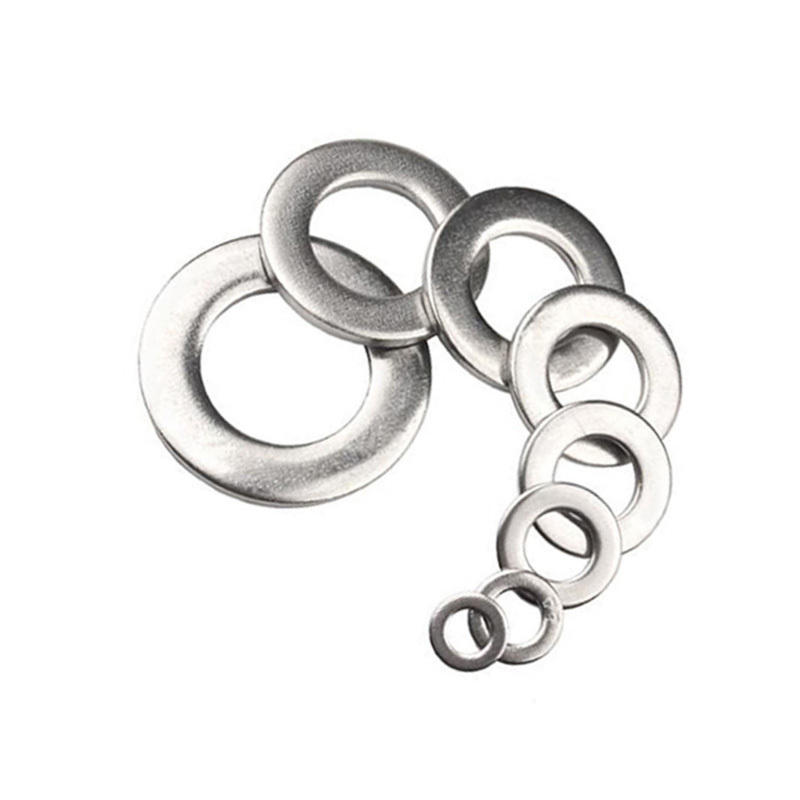
Why You Need Flat Washer DIN125 for Your Industrial Applications
Nov 12,2025
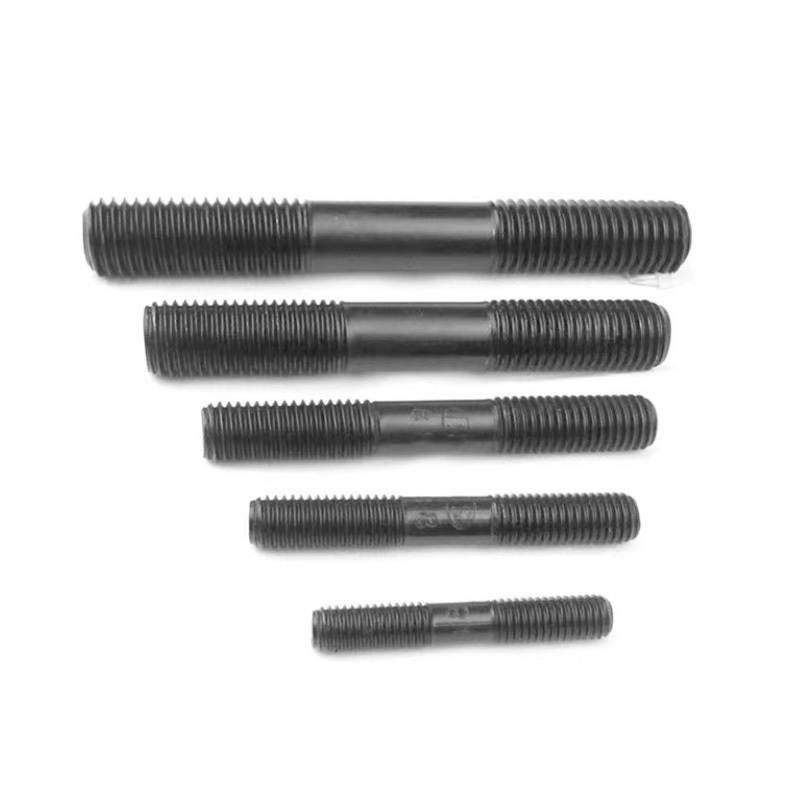
Understanding Stud Bolt DIN 938: A Comprehensive Guide for Industrial Applications
Nov 09,2025

Mainly produces bolts, nuts, washers, full threaded studs, anchor bolts, screws with DIN, BSW, ANIS, MS.


CONTACT US
Yongnian District, Handan City S318 Hebei Province rural credit Cooperative (Yuehua Road) southeast about 170 meters

Mobile website


