Understanding Hex Bolts: Key Features and Applications in Industrial Equipment
Jan 20,2025
Hex bolts are a fundamental component in the realm of industrial equipment and fastening solutions. Known for their hexagonal heads, these bolts are designed to be used with a wrench or socket, making them easy to install and remove. Their robust design and versatility have made them a preferred choice across numerous applications, particularly in settings that require high strength and durability
Hex bolts are a fundamental component in the realm of industrial equipment and fastening solutions. Known for their hexagonal heads, these bolts are designed to be used with a wrench or socket, making them easy to install and remove. Their robust design and versatility have made them a preferred choice across numerous applications, particularly in settings that require high strength and durability.
One of the key features of hex bolts is their load-bearing capacity. Constructed from a variety of materials, including steel, stainless steel, and alloy steel, hex bolts can withstand significant tensile and shear forces. The choice of material affects not only the strength but also the corrosion resistance of the bolt, which is crucial in environments where exposure to moisture or chemicals occurs. For instance, stainless steel hex bolts are often used in marine applications due to their resistance to rust and corrosion.
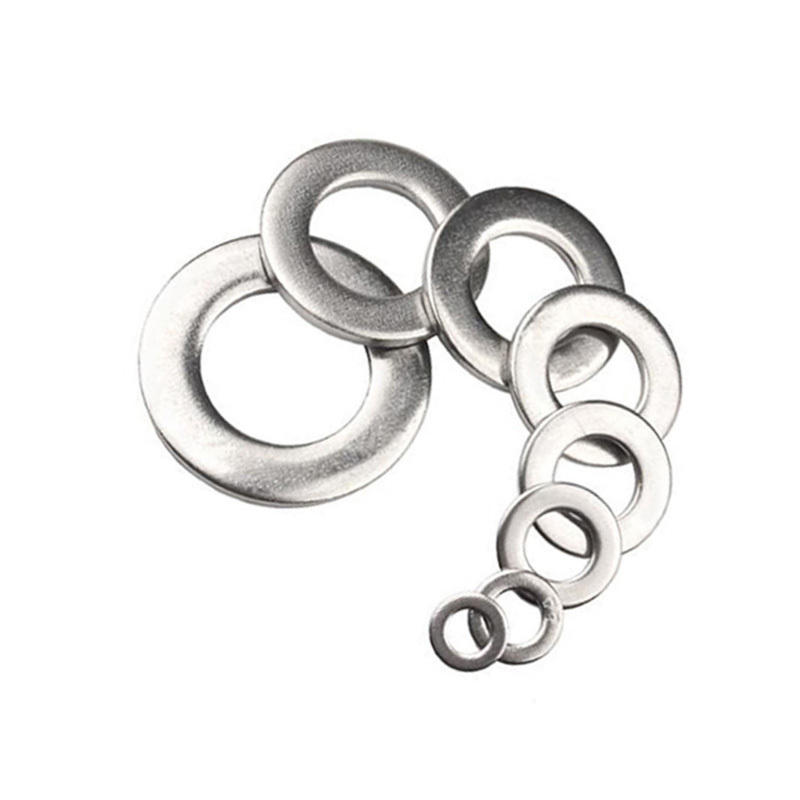
Another important aspect of hex bolts is their compatibility with various types of nuts and washers. This flexibility allows them to be used in a wide range of assembly applications, from machinery to structural frameworks. By pairing hex bolts with appropriate nuts and washers, engineers can create secure and reliable connections that enhance the overall stability of the equipment.
In terms of dimensions, hex bolts come in various sizes and lengths, allowing for tailored solutions to specific fastening needs. The standardization of hex bolt dimensions means that they can be easily sourced and replaced, which is a significant advantage in maintaining industrial equipment. Additionally, hex bolts can be produced in different thread types, including coarse and fine threads, to accommodate specific application requirements.
The installation of hex bolts requires specific tools, typically a wrench or socket. It is essential to apply the correct torque during installation to ensure that the bolt is securely fastened without risking over-tightening, which can lead to material deformation or failure. Proper torque specifications can often be found in technical documentation related to the specific hex bolts being used.
Moreover, hex bolts are commonly employed in various industrial sectors, including construction, automotive, and manufacturing. Their ability to secure heavy loads makes them indispensable in critical applications such as building frameworks, machinery assembly, and even in the production of consumer goods.
In summary, hex bolts play a crucial role in the integrity of industrial equipment and fastening solutions. Understanding their features, materials, and applications can aid professionals in selecting the right fasteners for their projects, ensuring safety, reliability, and efficiency in their operations. Whether you're designing a new piece of equipment or maintaining existing structures, the role of hex bolts is vital in achieving optimal performance and longevity.
One of the key features of hex bolts is their load-bearing capacity. Constructed from a variety of materials, including steel, stainless steel, and alloy steel, hex bolts can withstand significant tensile and shear forces. The choice of material affects not only the strength but also the corrosion resistance of the bolt, which is crucial in environments where exposure to moisture or chemicals occurs. For instance, stainless steel hex bolts are often used in marine applications due to their resistance to rust and corrosion.
Another important aspect of hex bolts is their compatibility with various types of nuts and washers. This flexibility allows them to be used in a wide range of assembly applications, from machinery to structural frameworks. By pairing hex bolts with appropriate nuts and washers, engineers can create secure and reliable connections that enhance the overall stability of the equipment.
In terms of dimensions, hex bolts come in various sizes and lengths, allowing for tailored solutions to specific fastening needs. The standardization of hex bolt dimensions means that they can be easily sourced and replaced, which is a significant advantage in maintaining industrial equipment. Additionally, hex bolts can be produced in different thread types, including coarse and fine threads, to accommodate specific application requirements.
The installation of hex bolts requires specific tools, typically a wrench or socket. It is essential to apply the correct torque during installation to ensure that the bolt is securely fastened without risking over-tightening, which can lead to material deformation or failure. Proper torque specifications can often be found in technical documentation related to the specific hex bolts being used.
Moreover, hex bolts are commonly employed in various industrial sectors, including construction, automotive, and manufacturing. Their ability to secure heavy loads makes them indispensable in critical applications such as building frameworks, machinery assembly, and even in the production of consumer goods.
In summary, hex bolts play a crucial role in the integrity of industrial equipment and fastening solutions. Understanding their features, materials, and applications can aid professionals in selecting the right fasteners for their projects, ensuring safety, reliability, and efficiency in their operations. Whether you're designing a new piece of equipment or maintaining existing structures, the role of hex bolts is vital in achieving optimal performance and longevity.
Hex Bolts
RELEVANT INFORMATION
Understanding the Importance and Applications of Spring Washer DIN127 in Industrial Fastening
In the industrial equipment and components sector, the Spring Washer DIN127 stands out as a crucial fastening element. Its distinctive design serves to maintain tension and prevent loosening of screws and bolts under various conditions. This article explores the characteristics and applications of the Spring Washer DIN127, providing valuable insights for professionals in the field.
The Spring Wash
Nov 15,2025
Why You Need Flat Washer DIN125 for Your Industrial Applications
Introduction: Understanding Flat Washers in Industrial Applications
In the realm of industrial equipment and components, the importance of effective fastening cannot be overstated. Among the myriad of fastening solutions available, **Flat Washer DIN125** stands out as a crucial component that enhances the reliability and performanc
Nov 12,2025
Understanding Stud Bolt DIN 938: A Comprehensive Guide for Industrial Applications
---
Stud Bolts are essential components in various industrial applications, and the DIN 938 specification outlines specific standards for these fasteners. A Stud Bolt is essentially a long bolt with no head, featuring threads on both ends. It is used in conjunction with nuts to create a secure joint between two or more parts. The DIN 938 standard specifies dimensions, mechanical properties, and to
Nov 09,2025