
How to Choose the Right Cap Nut DIN1587 for Your Project: A Comprehensive Guide
Oct 13,2024
How to Choose the Right Cap Nut DIN1587 for Your Project
Table of Contents
- Understanding Cap Nuts DIN1587
- The Importance of Cap Nuts in Industrial Applications
- Material Selection for Cap Nuts
- Size and Dimensions of Cap Nuts DIN1587
- Applications of Cap Nuts DIN1587
- Installation Tips for Cap Nuts DIN1587
- Maintaining Cap Nuts for Longevity
- Common Issues with Cap Nuts and How to Avoid Them
- FAQs About Cap Nuts DIN1587
Understanding Cap Nuts DIN1587
Cap Nuts, also known as acorn nuts, are essential fasteners characterized by their rounded tops and internal threading. The DIN1587 standard specifies the dimensions and tolerances of these cap nuts, ensuring they fit perfectly onto corresponding bolts or screws. Their design not only provides a clean finish but also protects the threads from damage and contaminants.
The Importance of Cap Nuts in Industrial Applications
In the realm of industrial equipment and components, the choice of fasteners can significantly impact the overall performance and safety of a project. Cap Nuts DIN1587 play a crucial role in:
- Providing a finished look: Their smooth, rounded shape hides the exposed threads of bolts, enhancing aesthetics.
- Protecting critical components: Cap Nuts shield bolt threads from dirt, moisture, and other environmental factors, reducing the risk of corrosion.
- Facilitating easier assembly: Their design allows for straightforward installation, minimizing the risk of cross-threading.
Material Selection for Cap Nuts
Choosing the right material for your Cap Nut DIN1587 is crucial for ensuring durability and performance. Here are the most common materials used:
Steel
Steel cap nuts are popular due to their strength and affordability. They are often coated with zinc or other finishes to resist corrosion, making them suitable for various applications.
Stainless Steel
For environments exposed to moisture or corrosive substances, stainless steel cap nuts are an excellent choice. Their inherent resistance to rust and corrosion makes them ideal for marine and industrial applications.
Plastic
Plastic cap nuts are lightweight and resistant to corrosion, making them suitable for electronic and lightweight applications. However, they may not withstand high temperatures or heavy loads.
Size and Dimensions of Cap Nuts DIN1587
Selecting the correct size is vital for the proper functioning of any fastener. Cap Nuts DIN1587 come in various sizes, and understanding these dimensions ensures that you choose the right nut for your project.
Measuring Cap Nuts
Cap nuts are typically measured by their diameter and thread pitch. Utilizing a caliper or thread gauge can help accurately determine these specifications. Be sure to refer to DIN1587 standards for precise measurements.
Common Sizes
Cap Nuts DIN1587 are available in various standard sizes, including M5, M6, M8, M10, and M12. Always ensure that the size you choose matches the corresponding bolt or screw for a secure fit.
Applications of Cap Nuts DIN1587
Cap Nuts DIN1587 are versatile fasteners used across multiple industries. Here are some common applications:
- Automotive: Used to secure components in vehicles, ensuring a neat finish while protecting critical parts.
- Construction: Ideal for fastening structural components where aesthetics and protection are essential.
- Electronics: Employed in assembling electronic devices where lightweight and non-conductive options are preferred.
Installation Tips for Cap Nuts DIN1587
Proper installation of Cap Nuts DIN1587 is crucial for optimal performance. Here are some tips to ensure a successful installation:
1. Clean the Threads
Before installation, clean the threads of the bolt or screw. This removes any debris or rust that could interfere with the fit.
2. Hand Tighten First
Begin by hand-tightening the cap nut to avoid cross-threading. Ensure it moves smoothly onto the bolt.
3. Use Proper Tools
Utilize the appropriate tools for tightening, such as a wrench or pliers, to achieve a snug fit without over-tightening.
4. Inspect After Installation
After installation, inspect the cap nut to ensure it is properly seated and secure. This step is crucial for determining the integrity of the assembly.
Maintaining Cap Nuts for Longevity
Regular maintenance of Cap Nuts DIN1587 can extend their lifespan and effectiveness. Here are a few maintenance tips:
1. Regular Inspections
Conduct periodic inspections to identify any signs of wear or corrosion. Early detection can prevent failures.
2. Clean Residue
Remove any grease or dirt buildup surrounding the cap nuts. This will help maintain their appearance and functionality.
3. Re-Tighten as Necessary
Over time, cap nuts may loosen due to vibration or thermal expansion. Re-tighten them periodically to ensure continued security.
Common Issues with Cap Nuts and How to Avoid Them
Despite their many advantages, Cap Nuts DIN1587 can encounter issues. Here are some common problems and preventive measures:
1. Cross-Threading
This occurs when the cap nut does not align properly with the bolt threads. To avoid this, hand-tighten first and ensure proper alignment before using tools.
2. Corrosion
Corrosion can occur, particularly in harsh environments. Choosing the right material, such as stainless steel, can mitigate this risk.
3. Loosening Over Time
As mentioned, vibrations can lead to loosening. Regular inspections and re-tightening can prevent this issue.
FAQs About Cap Nuts DIN1587
1. What are Cap Nuts DIN1587 used for?
Cap Nuts DIN1587 are used to securely fasten bolts while providing a finished appearance and protecting the threads from damage.
2. How do I know what size Cap Nut to use?
To determine the correct size, measure the diameter and thread pitch of the corresponding bolt or screw, and refer to DIN1587 specifications.
3. Can Cap Nuts be used outdoors?
Yes, but it's essential to select a corrosion-resistant material, such as stainless steel, for outdoor applications.
4. Are plastic Cap Nuts suitable for heavy-duty applications?
Plastic Cap Nuts are generally not recommended for heavy-duty applications due to their lower strength compared to metal options.
5. How can I prevent corrosion on metal Cap Nuts?
Choose materials with protective coatings, such as zinc plating, and maintain regular inspections to catch signs of rust early.
Conclusion
Selecting the right Cap Nut DIN1587 for your project involves understanding the materials, sizes, and applications. By considering these factors and following best practices for installation and maintenance, you can ensure that your fasteners perform optimally and enhance the overall integrity of your project. Whether you are working in automotive, construction, or electronics, Cap Nuts DIN1587 provide the reliability and finish you need. Prioritize quality and precision, and your project will benefit from the right choice of fasteners.
Cap nut DIN1587
RELEVANT INFORMATION

Understanding the Importance and Applications of Spring Washer DIN127 in Industrial Fastening
Nov 15,2025
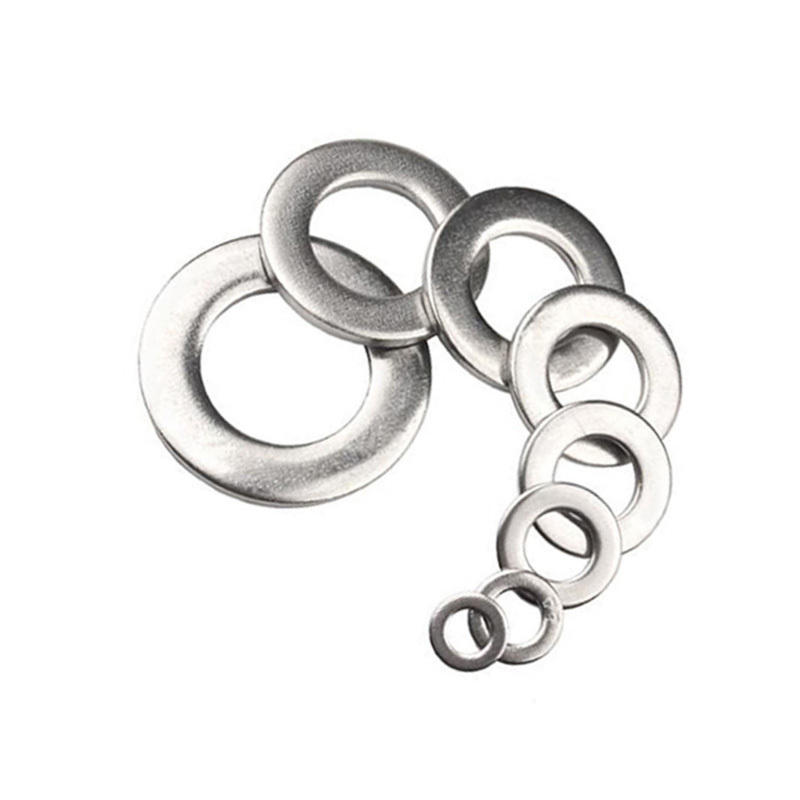
Why You Need Flat Washer DIN125 for Your Industrial Applications
Nov 12,2025
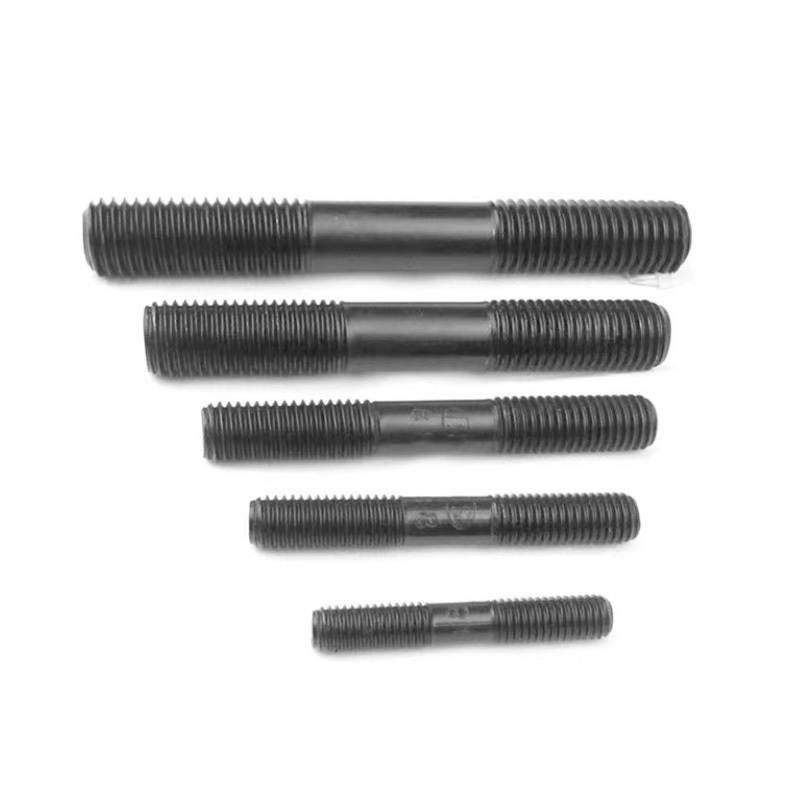
Understanding Stud Bolt DIN 938: A Comprehensive Guide for Industrial Applications
Nov 09,2025

Mainly produces bolts, nuts, washers, full threaded studs, anchor bolts, screws with DIN, BSW, ANIS, MS.


CONTACT US
Yongnian District, Handan City S318 Hebei Province rural credit Cooperative (Yuehua Road) southeast about 170 meters

Mobile website


