
Exploring the Advantages of Stud Bolt DIN938 for Industrial Applications
Sep 15,2024
Exploring the Advantages of Stud Bolt DIN938 for Industrial Applications
Table of Contents
- 1. Introduction to Stud Bolt DIN938
- 2. What is Stud Bolt DIN938?
- 3. Key Features of Stud Bolt DIN938
- 4. Applications of Stud Bolt DIN938 in Various Industries
- 5. Benefits of Using Stud Bolt DIN938
- 6. Installation and Maintenance of Stud Bolt DIN938
- 7. Comparison with Other Fasteners
- 8. Frequently Asked Questions
- 9. Conclusion
1. Introduction to Stud Bolt DIN938
In the realm of industrial applications, fasteners serve as the backbone of construction and assembly processes. Amongst the myriad of fasteners available, **Stud Bolt DIN938** stands out as a preferred choice for professionals seeking durability and reliability. This article explores the numerous advantages and applications of Stud Bolt DIN938, demonstrating its vital role in enhancing operational efficiency.
2. What is Stud Bolt DIN938?
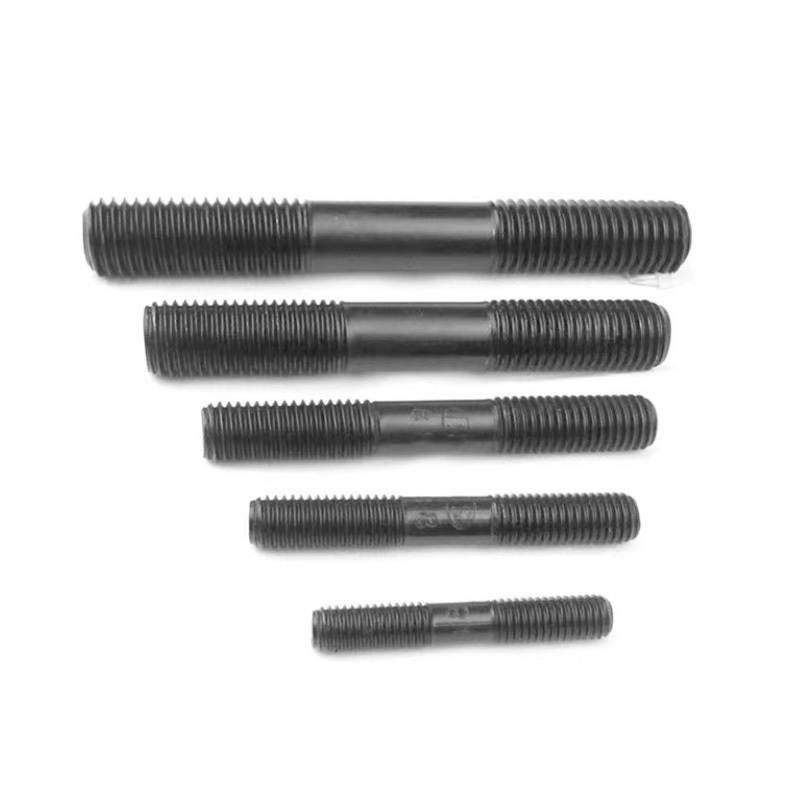
Stud Bolt DIN938 is a type of fastener characterized by a cylindrical shape with threads on both ends. Unlike standard bolts, Stud Bolts are designed to work with nuts and are typically used in high-pressure and high-temperature environments. They are primarily made from steel, providing strength and resistance to corrosion, making them suitable for various industrial applications.
3. Key Features of Stud Bolt DIN938
Stud Bolt DIN938 is distinguished by several notable features that make it ideal for industrial use. These include:
3.1 High Strength and Durability
Manufactured from high-grade materials, **Stud Bolt DIN938** exhibits exceptional tensile strength, ensuring it can withstand heavy loads without deforming.
3.2 Corrosion Resistance
The use of corrosion-resistant materials enhances the longevity of Stud Bolts, safeguarding them against rust and degradation in harsh environments.
3.3 Versatile Application
These fasteners are adaptable and can be used across various sectors, including oil and gas, construction, and manufacturing.
3.4 Easy Installation
The design of Stud Bolt DIN938 allows for straightforward installation, reducing downtime during assembly.
4. Applications of Stud Bolt DIN938 in Various Industries
Stud Bolt DIN938 finds its utility across a wide range of industries. Understanding its applications can provide insights into its significance:
4.1 Oil and Gas Industry
In the oil and gas sector, Stud Bolts are crucial for securing pipelines and valves in high-pressure environments, ensuring safety and reliability.
4.2 Construction
In construction, these fasteners are essential for structural integrity, providing robust connections in building frameworks.
4.3 Manufacturing
Stud Bolts are widely used in manufacturing processes, where precision and strength are paramount for machinery assembly.
4.4 Marine Engineering
Due to their corrosion-resistant properties, Stud Bolts are ideal for marine applications where exposure to saltwater is common.
5. Benefits of Using Stud Bolt DIN938
Utilizing Stud Bolt DIN938 comes with an array of advantages that contribute to operational excellence:
5.1 Enhanced Reliability
The robust design and material quality of Stud Bolts ensure consistent performance, reducing the risk of failure in critical applications.
5.2 Cost Efficiency
While the initial investment may be higher compared to standard fasteners, the durability and longevity of Stud Bolts lead to significant savings on replacements and maintenance.
5.3 Improved Safety
Using high-strength fasteners minimizes the risk of accidents due to structural failures, promoting a safer work environment.
5.4 Compatibility with Various Components
Stud Bolt DIN938 is compatible with a wide range of nuts and washers, making it versatile for various assembly requirements.
5.5 Resistance to Extreme Conditions
These fasteners perform exceptionally well under extreme temperatures and pressures, making them suitable for demanding environments.
6. Installation and Maintenance of Stud Bolt DIN938
Proper installation and maintenance are crucial for maximizing the benefits of Stud Bolt DIN938:
6.1 Installation Procedures
To ensure optimal performance, follow these steps during installation:
- Inspect the bolts and nuts for any signs of damage before use.
- Use the appropriate torque settings to avoid over-tightening.
- Ensure that the surfaces being fastened are clean and free from debris.
6.2 Maintenance Tips
Regular inspection and maintenance can prolong the life of Stud Bolts:
- Periodically check for signs of wear or corrosion.
- Re-torque the bolts as necessary to maintain proper tightness.
- Replace any damaged or corroded bolts promptly to prevent failures.
7. Comparison with Other Fasteners
When selecting fasteners for industrial applications, it's essential to compare Stud Bolt DIN938 with other types:
7.1 Stud Bolt vs. Standard Bolt
While both serve similar functions, Stud Bolts are designed for higher load capacities and are often preferred in high-pressure applications.
7.2 Stud Bolt vs. Hex Bolt
Hex bolts are typically used in low-stress applications, whereas Stud Bolts are ideal for environments requiring added strength and resistance.
7.3 Stud Bolt vs. Threaded Rods
Threaded rods offer flexibility, but Stud Bolts provide a more secure and reliable connection for critical applications.
8. Frequently Asked Questions
8.1 What materials are Stud Bolts made from?
Stud Bolts are commonly made from carbon steel, stainless steel, or alloy steel, offering various levels of strength and corrosion resistance.
8.2 Can Stud Bolts be reused?
While Stud Bolts can be reused, it's essential to inspect them for wear and damage before reinstallation.
8.3 How do I determine the right size of Stud Bolt?
Selecting the appropriate size depends on the specific application requirements, including load capacity and environmental conditions.
8.4 What is the difference between DIN and ASME Stud Bolts?
DIN standards are generally European norms that focus on specific dimensions, while ASME standards are American norms, often emphasizing performance and application.
8.5 Are there specific torque specifications for Stud Bolts?
Yes, torque specifications can vary based on the size and material of the Stud Bolt; always refer to manufacturer guidelines for accurate values.
9. Conclusion
Stud Bolt DIN938 provides a robust and reliable solution for various industrial applications. Its high strength, corrosion resistance, and ease of installation make it an essential component in modern manufacturing and construction. By understanding its benefits and proper usage, industries can enhance safety, efficiency, and overall performance. Whether in the oil and gas sector, construction, or manufacturing, choosing Stud Bolt DIN938 can lead to significant advantages in operational success. Investing in quality fasteners like these is not just a necessity but a strategic decision for any industrial operation aiming for durability and excellence.
Stud Bolt DIN938
RELEVANT INFORMATION

Understanding the Importance and Applications of Spring Washer DIN127 in Industrial Fastening
Nov 15,2025
Why You Need Flat Washer DIN125 for Your Industrial Applications
Nov 12,2025
Understanding Stud Bolt DIN 938: A Comprehensive Guide for Industrial Applications
Nov 09,2025

Mainly produces bolts, nuts, washers, full threaded studs, anchor bolts, screws with DIN, BSW, ANIS, MS.


CONTACT US
Yongnian District, Handan City S318 Hebei Province rural credit Cooperative (Yuehua Road) southeast about 170 meters

Mobile website


