
The Essential Role of DIN7991 Allen Countersunk Head Screws in Automotive Applications
Aug 30,2024
The Essential Role of DIN7991 Allen Countersunk Head Screws in Automotive Applications
Table of Contents
- 1. Introduction to DIN7991 Allen Countersunk Head Screws
- 2. Importance of Fasteners in Automotive Manufacturing
- 3. Understanding DIN7991 Specifications
- 4. Applications of DIN7991 Allen Countersunk Head Screws in Automotive
- 5. Benefits of Using DIN7991 Screws in Automotive Design
- 6. Proper Installation Techniques
- 7. Material Types for DIN7991 Screws
- 8. Future Trends in Automotive Fasteners
- 9. Frequently Asked Questions
- 10. Conclusion
1. Introduction to DIN7991 Allen Countersunk Head Screws
DIN7991 Allen countersunk head screws are a type of fastener characterized by their unique design, which features a cylindrical body and a beveled head that countersinks into materials. These screws are specifically crafted to provide a flush finish, allowing for smooth surfaces that are critical in automotive applications. The Allen (hexagonal) drive allows for high torque application, ensuring secure fastening even in demanding environments.
2. Importance of Fasteners in Automotive Manufacturing
Fasteners play a pivotal role in automotive manufacturing, facilitating the assembly of various components while ensuring structural integrity. Without high-quality fasteners, the reliability and safety of vehicles would be compromised. DIN7991 Allen countersunk head screws are particularly important due to their ability to blend into the design of the vehicle, minimizing drag and enhancing aerodynamics. This aspect is crucial for performance-oriented vehicles where every detail impacts efficiency.
3. Understanding DIN7991 Specifications
DIN7991 screws come with specific dimensions and tolerances that comply with the German standard (DIN). The specifications include:
- Head Diameter: A range of sizes that allows for versatile application.
- Length: Varies according to the assembly requirements.
- Thread Type: Typically metric threads that ensure compatibility with other components.
- Material Grades: Options include steel, stainless steel, and other alloys.
Understanding these specifications is essential for manufacturers to select the right screws for their applications and ensure optimal performance.
4. Applications of DIN7991 Allen Countersunk Head Screws in Automotive
DIN7991 screws are widely used in various automotive applications, including:
- Chassis Assembly: They secure components like suspension systems and frame parts.
- Bodywork: Used to fasten panels and other exterior components, contributing to aesthetics and aerodynamics.
- Engine Components: Essential in engine assembly where vibration resistance is crucial.
- Interior Fixtures: They are used in securing dashboards, seats, and electronic components.
The versatility of DIN7991 screws makes them a go-to choice for manufacturers across the automotive sector.
5. Benefits of Using DIN7991 Screws in Automotive Design
Choosing DIN7991 Allen countersunk head screws offers several advantages:
- Aesthetic Appeal: The flush finish enhances the vehicle's look.
- Space Efficiency: They do not protrude, making them suitable for compact areas.
- Improved Aerodynamics: Their design contributes to the vehicle's overall performance by reducing drag.
- High Torque Capacity: The Allen drive allows for significant torque without stripping, ensuring a secure fit.
These benefits make DIN7991 screws a strategic choice in automotive design.
6. Proper Installation Techniques
To maximize the performance of DIN7991 screws, following proper installation techniques is crucial:
- Correct Torque Settings: Use a calibrated torque wrench to apply the appropriate torque as per specifications.
- Clean Threads: Ensure threads are clean and free of debris to avoid cross-threading.
- Use of Lubricants: Consider using anti-seize compounds to enhance torque accuracy and prevent galling.
Implementing these techniques helps ensure that the screws perform optimally in their intended application.
7. Material Types for DIN7991 Screws
The choice of material for DIN7991 screws significantly impacts their performance:
- Carbon Steel: Commonly used for its strength and affordability; often treated to resist corrosion.
- Stainless Steel: Offers excellent corrosion resistance, making it suitable for exterior components.
- Alloy Steel: Provides enhanced strength and toughness, ideal for high-stress applications.
Selecting the right material based on specific application requirements ensures longevity and reliability.
8. Future Trends in Automotive Fasteners
The automotive industry is evolving, and so are the trends in fasteners:
- Increased Use of Lightweight Materials: Manufacturers are shifting towards lightweight materials to improve fuel efficiency.
- Smart Fasteners: Integration of sensors in fasteners for monitoring health and performance.
- Sustainability: Focus on recyclable and sustainable materials in fastener production.
These trends indicate a shift towards innovation and sustainability, influencing the future of DIN7991 screws and other fasteners in automotive applications.
9. Frequently Asked Questions
1. What are DIN7991 Allen countersunk head screws made from?
DIN7991 screws can be made from various materials, including carbon steel, stainless steel, and alloy steel, each offering different properties suited for automotive applications.
2. How do I choose the right size of DIN7991 screw?
Choosing the right size involves considering the thickness of the materials being joined and the required load capacity. Always refer to the manufacturer's specifications.
3. Can DIN7991 screws be reused?
While they can be reused, it is essential to inspect them for wear, damage, or deformation to ensure they will provide a secure fit.
4. What is the difference between DIN7991 and other types of screws?
DIN7991 screws are specifically designed with a countersunk head for a flush finish and an Allen drive for high torque application, making them unique compared to standard screws.
5. Where can I purchase DIN7991 screws?
DIN7991 screws can be purchased from industrial suppliers, hardware stores, or online retailers specializing in automotive components.
10. Conclusion
DIN7991 Allen countersunk head screws play an essential role in automotive applications, contributing to both performance and aesthetics. Their unique design, coupled with the ability to provide a flush finish, makes them ideal for various automotive components. With their benefits, including improved aerodynamics and high torque capacity, it is clear why these fasteners are a preferred choice in the industry. As manufacturers continue to innovate, the evolution of fastener technology will undoubtedly enhance their role in automotive design. By choosing the right materials and installation techniques, automotive engineers can fully leverage the advantages of DIN7991 screws, ensuring robust and reliable vehicle performance.
Din7991 Allen countersunk head screw
RELEVANT INFORMATION

Understanding the Importance and Applications of Spring Washer DIN127 in Industrial Fastening
Nov 15,2025
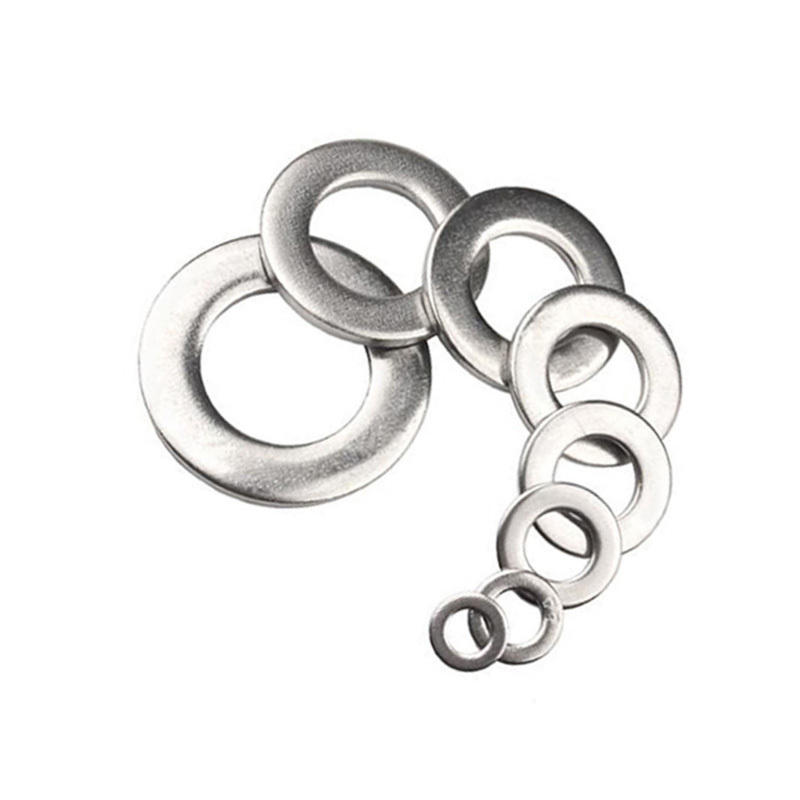
Why You Need Flat Washer DIN125 for Your Industrial Applications
Nov 12,2025
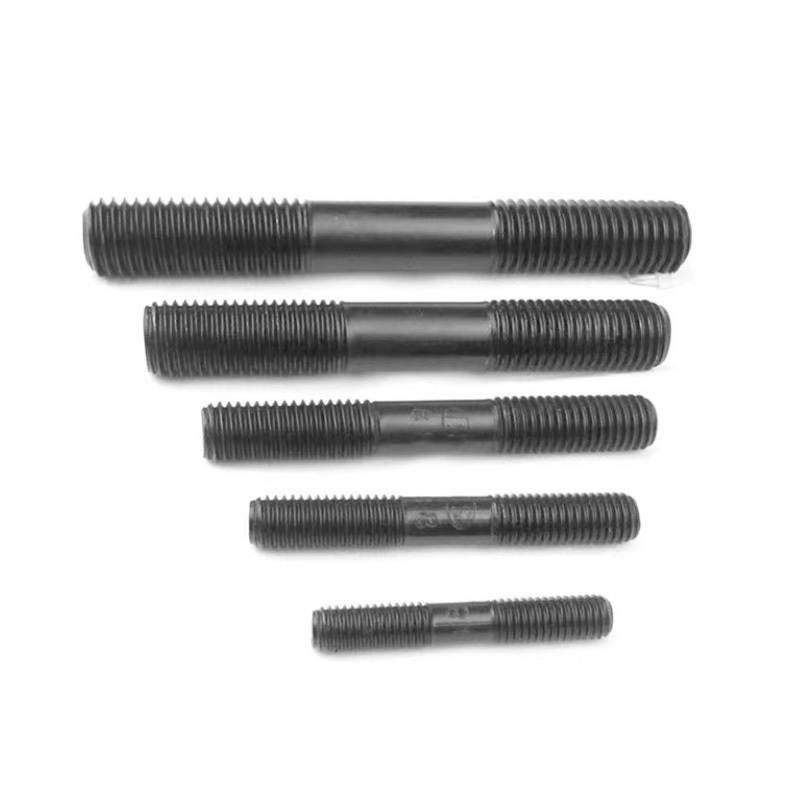
Understanding Stud Bolt DIN 938: A Comprehensive Guide for Industrial Applications
Nov 09,2025

Mainly produces bolts, nuts, washers, full threaded studs, anchor bolts, screws with DIN, BSW, ANIS, MS.


CONTACT US
Yongnian District, Handan City S318 Hebei Province rural credit Cooperative (Yuehua Road) southeast about 170 meters

Mobile website


