
Common Challenges in Rivet Nut Installation and How to Overcome Them
Apr 25,2024
Rivet nuts, also known as blind rivet nuts or threaded inserts, are commonly used in various industries for fastening applications. However, the installation process can sometimes be challenging, leading to issues that may affect the overall quality and efficiency of the assembly. In this article, we will discuss some of the common challenges encountered during rivet nut installation and provide practical solutions to overcome them.
## Understanding Rivet Nuts
Before delving into the challenges and solutions, it is essential to have a basic understanding of what rivet nuts are and how they work. Rivet nuts are fasteners that create a threaded hole in a material when installed, allowing for the attachment of screws, bolts, or other threaded components. They are typically used in applications where access to the back of the material is limited, making them ideal for joining thin or brittle materials.
## Common Challenges in Rivet Nut Installation
### 1. Misalignment
One of the most common challenges during rivet nut installation is misalignment. This can occur when the rivet nut is not properly aligned with the pre-drilled hole, leading to difficulties in threading and securing the fastener.
### 2. Stripped Threads
Another common issue is stripped threads, which can occur when excessive force is applied during installation, causing the threads to become damaged or deformed.
### 3. Spin-Out
Spin-out is a common problem that occurs when the rivet nut rotates during installation, preventing it from properly securing in place.
### 4. Insufficient Grip Range
In some cases, the grip range of the rivet nut may not be sufficient to accommodate the thickness of the material, leading to improper installation and a weak joint.
## How to Overcome Common Challenges
### 1. Proper Alignment
To prevent misalignment, ensure that the rivet nut is correctly aligned with the pre-drilled hole before installation. Using alignment tools or jigs can help ensure precise placement.
### 2. Controlled Installation Force
To avoid stripped threads, apply controlled and consistent force during installation. Use a calibrated tool such as a rivet nut setting tool to prevent over-tightening and potential damage to the threads.
### 3. Anti-Spin Feature
To prevent spin-out, consider using rivet nuts with anti-spin features that grip the material securely during installation. This can help ensure that the fastener remains in place without rotating.
### 4. Proper Material Thickness Consideration
When selecting rivet nuts, ensure that the grip range is suitable for the thickness of the material being fastened. Choosing the right size and type of rivet nut can help prevent issues related to insufficient grip range.
# Conclusion
In conclusion, rivet nut installation may present various challenges, but with proper understanding and the right techniques, these obstacles can be overcome effectively. By addressing issues such as misalignment, stripped threads, spin-out, and insufficient grip range, you can ensure successful and durable installations. By following the tips and strategies outlined in this guide, you can tackle common challenges in rivet nut installation with confidence and precision.
rivet nut
RELEVANT INFORMATION

Understanding the Importance and Applications of Spring Washer DIN127 in Industrial Fastening
Nov 15,2025
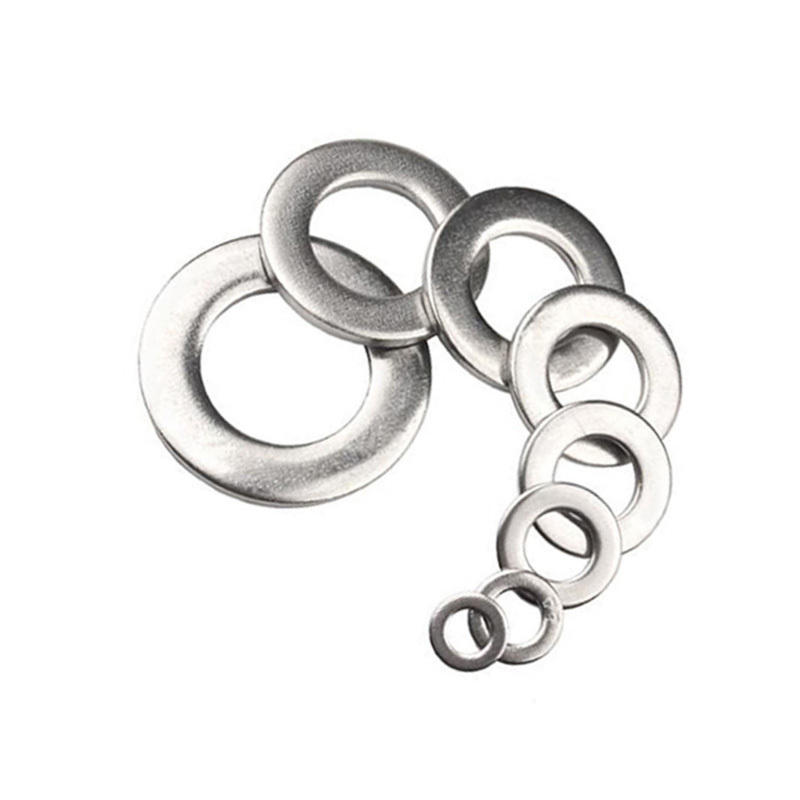
Why You Need Flat Washer DIN125 for Your Industrial Applications
Nov 12,2025
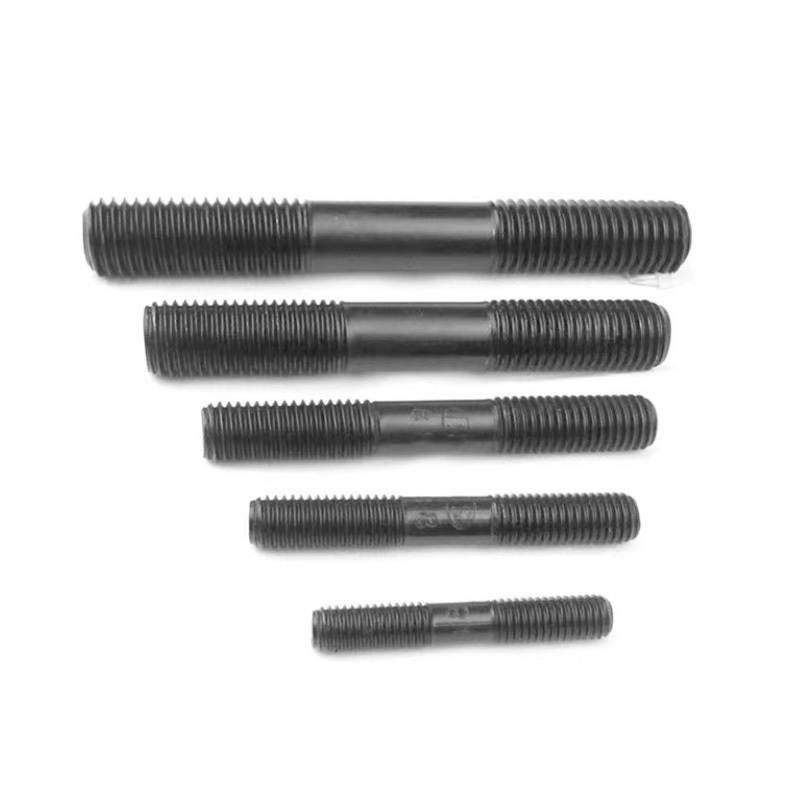
Understanding Stud Bolt DIN 938: A Comprehensive Guide for Industrial Applications
Nov 09,2025

Mainly produces bolts, nuts, washers, full threaded studs, anchor bolts, screws with DIN, BSW, ANIS, MS.


CONTACT US
Yongnian District, Handan City S318 Hebei Province rural credit Cooperative (Yuehua Road) southeast about 170 meters

Mobile website


