
Cap Nut: A Handy Guide to Industrial Fasteners
Feb 09,2024
Introduction:
Cap nuts play a crucial role in the world of industrial equipment and components, specifically in the realm of fasteners and connectors. This guide aims to provide you with essential information about cap nuts, including their functions, applications, and advantages. Whether you are a professional in the industry or simply curious about these components, this article will serve as a
Introduction:
Cap nuts play a crucial role in the world of industrial equipment and components, specifically in the realm of fasteners and connectors. This guide aims to provide you with essential information about cap nuts, including their functions, applications, and advantages. Whether you are a professional in the industry or simply curious about these components, this article will serve as a handy resource.
1. What is a Cap Nut?
Cap nuts, also known as acorn nuts or crown hex nuts, are specialized fasteners designed with a domed top cover, resembling the shape of an acorn. They are typically hexagonal in shape, allowing for easy installation using a standard wrench or socket. Cap nuts are internally threaded, enabling them to securely fasten bolts or studs.
2. Functions of Cap Nuts:
Cap nuts serve multiple purposes in industrial applications. Firstly, they provide a decorative function by covering exposed threads, enhancing the overall appearance of the assembly. Additionally, these nuts offer protection by preventing unwanted debris, moisture, or contaminants from entering the threaded area, thus reducing the risk of corrosion.
3. Applications of Cap Nuts:
Cap nuts find extensive use in various industries and applications. They are commonly employed in the automotive sector, where aesthetics and protection are crucial. Additionally, cap nuts are widely utilized in furniture manufacturing, electrical equipment, and machinery. Their applications extend to the construction industry, where they are employed in architectural and structural projects.
4. Advantages of Cap Nuts:
Cap nuts offer several benefits that make them an ideal choice for many applications. Firstly, their domed shape provides a visually appealing finish and eliminates the sharp edges of exposed threads. Moreover, the protective cover prevents injuries that may result from accidental contact with the exposed threads. Cap nuts also contribute to the overall durability and longevity of the assembly by preventing corrosion and enhancing the integrity of the fastening.
In conclusion, cap nuts are essential components in the industrial equipment and components industry. They provide both aesthetic appeal and protection to threaded assemblies. With their versatility and numerous advantages, cap nuts have become indispensable in various applications. Whether used in automotive, furniture, or construction projects, incorporating cap nuts ensures a visually appealing, secure, and long-lasting connection.
Cap nuts play a crucial role in the world of industrial equipment and components, specifically in the realm of fasteners and connectors. This guide aims to provide you with essential information about cap nuts, including their functions, applications, and advantages. Whether you are a professional in the industry or simply curious about these components, this article will serve as a handy resource.
1. What is a Cap Nut?
Cap nuts, also known as acorn nuts or crown hex nuts, are specialized fasteners designed with a domed top cover, resembling the shape of an acorn. They are typically hexagonal in shape, allowing for easy installation using a standard wrench or socket. Cap nuts are internally threaded, enabling them to securely fasten bolts or studs.
2. Functions of Cap Nuts:
Cap nuts serve multiple purposes in industrial applications. Firstly, they provide a decorative function by covering exposed threads, enhancing the overall appearance of the assembly. Additionally, these nuts offer protection by preventing unwanted debris, moisture, or contaminants from entering the threaded area, thus reducing the risk of corrosion.
3. Applications of Cap Nuts:
Cap nuts find extensive use in various industries and applications. They are commonly employed in the automotive sector, where aesthetics and protection are crucial. Additionally, cap nuts are widely utilized in furniture manufacturing, electrical equipment, and machinery. Their applications extend to the construction industry, where they are employed in architectural and structural projects.
4. Advantages of Cap Nuts:
Cap nuts offer several benefits that make them an ideal choice for many applications. Firstly, their domed shape provides a visually appealing finish and eliminates the sharp edges of exposed threads. Moreover, the protective cover prevents injuries that may result from accidental contact with the exposed threads. Cap nuts also contribute to the overall durability and longevity of the assembly by preventing corrosion and enhancing the integrity of the fastening.
In conclusion, cap nuts are essential components in the industrial equipment and components industry. They provide both aesthetic appeal and protection to threaded assemblies. With their versatility and numerous advantages, cap nuts have become indispensable in various applications. Whether used in automotive, furniture, or construction projects, incorporating cap nuts ensures a visually appealing, secure, and long-lasting connection.
cap nut
RELEVANT INFORMATION

Understanding the Importance and Applications of Spring Washer DIN127 in Industrial Fastening
In the industrial equipment and components sector, the Spring Washer DIN127 stands out as a crucial fastening element. Its distinctive design serves to maintain tension and prevent loosening of screws and bolts under various conditions. This article explores the characteristics and applications of the Spring Washer DIN127, providing valuable insights for professionals in the field.
The Spring Wash
Nov 15,2025
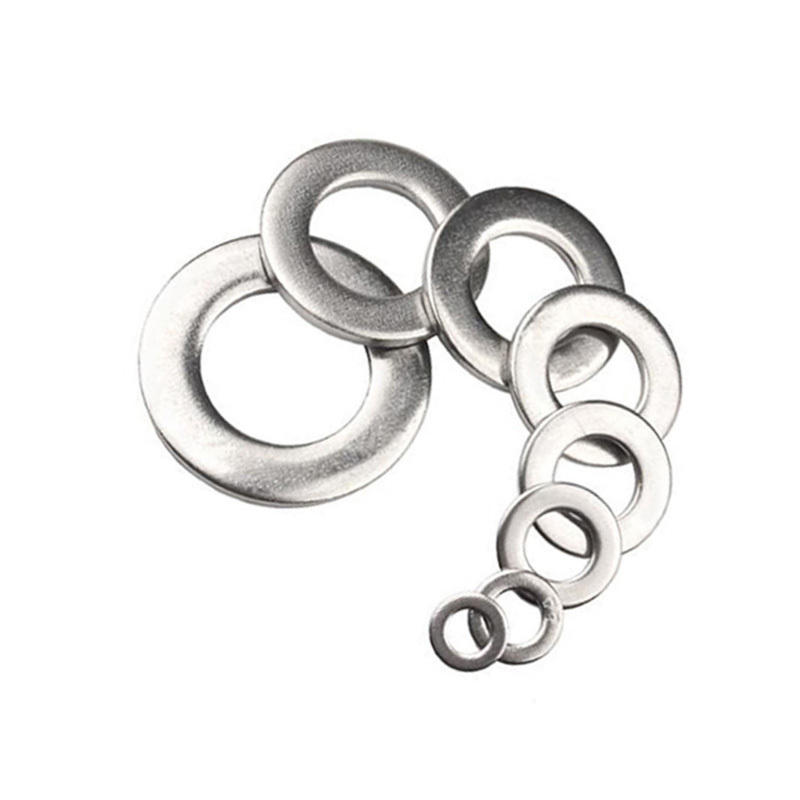
Why You Need Flat Washer DIN125 for Your Industrial Applications
Why You Need Flat Washer DIN125 for Your Industrial Applications
Introduction: Understanding Flat Washers in Industrial Applications
In the realm of industrial equipment and components, the importance of effective fastening cannot be overstated. Among the myriad of fastening solutions available, **Flat Washer DIN125** stands out as a crucial component that enhances the reliability and performanc
Nov 12,2025
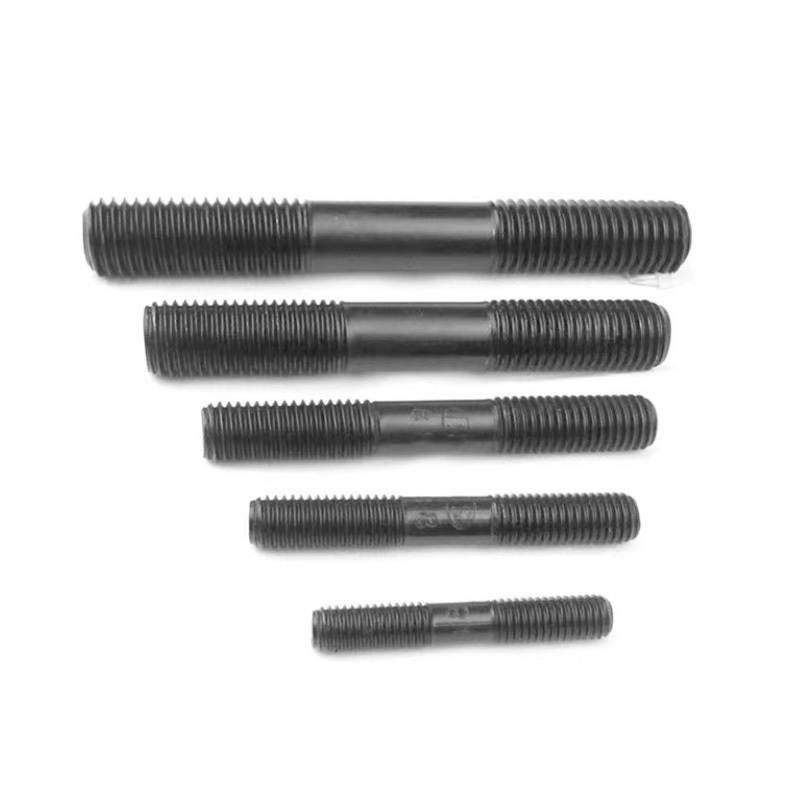
Understanding Stud Bolt DIN 938: A Comprehensive Guide for Industrial Applications
---
Stud Bolts are essential components in various industrial applications, and the DIN 938 specification outlines specific standards for these fasteners. A Stud Bolt is essentially a long bolt with no head, featuring threads on both ends. It is used in conjunction with nuts to create a secure joint between two or more parts. The DIN 938 standard specifies dimensions, mechanical properties, and to
Nov 09,2025

Mainly produces bolts, nuts, washers, full threaded studs, anchor bolts, screws with DIN, BSW, ANIS, MS.


CONTACT US
Yongnian District, Handan City S318 Hebei Province rural credit Cooperative (Yuehua Road) southeast about 170 meters

Mobile website


